HP Launches Rural Waste Drive, 700 More Vehicles Coming

Synopsis
Himachal Pradesh has flagged off 137 vehicles in the first phase of its Rural Solid Waste Management Scheme, with 700 more planned for the next phase. Gram panchayats will operate the fleet, deepening decentralised sanitation under Swachh Bharat Mission-Gramin.
Key Takeaways
137 vehicles flagged off in phase one of Himachal Pradesh's Rural Solid Waste Management Scheme on August 6, 2026 .
700 additional vehicles will be deployed in the next phase to expand rural coverage.
Gram panchayats will directly operate the vehicles, embedding waste collection in local governance.
Rural Development and Panchayati Raj Minister Anirudh Singh and MLA Sunder Singh Thakur attended the flagging-off event.
The initiative aligns with phase two of the national Swachh Bharat Mission-Gramin , which focuses on waste segregation and processing at the village level.
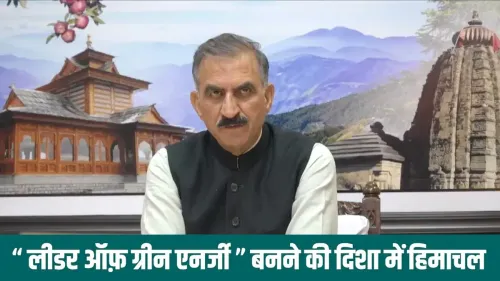
Himachal Pradesh just put its rural sanitation mission on wheels — literally. The Chief Minister's Office of Himachal Pradesh announced on Thursday, August 6, 2026, that 137 vehicles have been flagged off under the first phase of the state's Rural Solid Waste Management Scheme, with a far larger fleet of 700 additional vehicles lined up for the next phase — all to be operated directly by gram panchayats.
The flagging-off ceremony was attended by Rural Development and Panchayati Raj Minister Anirudh Singh and MLA Sunder Singh Thakur, signalling the political weight the state is placing behind this initiative. The post, shared by the CMO's official handle, noted that panchayats will take on the operational responsibility of running the vehicles — a deliberate push toward decentralised, community-led waste management.
Panchayats at the Wheel of Waste Collection
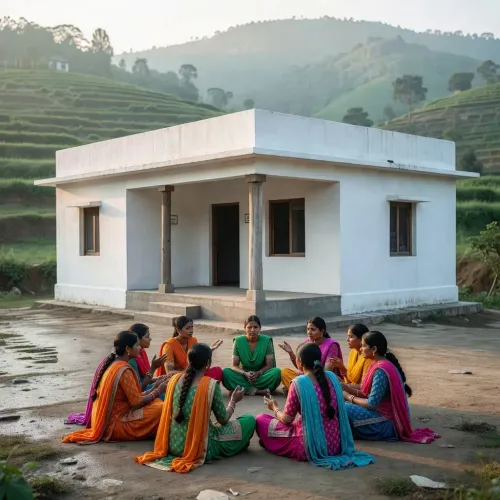
Handing vehicle operations to gram panchayats is not incidental — it is the architecture of the plan. Elected local bodies, already responsible for rural governance, will now manage day-to-day garbage collection across villages. This mirrors a national trend: Indian states have increasingly been routing waste infrastructure through panchayats to ensure last-mile accountability, rather than relying on centralised municipal machinery that rarely reaches remote hamlets.
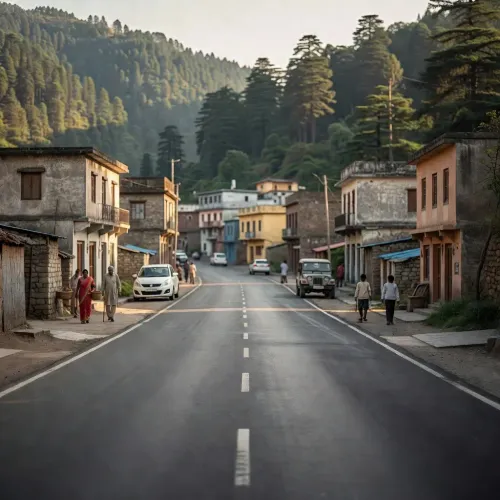
Himachal Pradesh's terrain makes this especially consequential. Mountainous geography, scattered settlements, and seasonal road access have long made uniform waste collection difficult. A phased, panchayat-driven model is designed to navigate exactly these constraints — starting with 137 vehicles in phase one, then scaling to a combined fleet that could cover substantially more ground once the 700 additional vehicles are deployed.
Swachh Bharat's Second Wind in the Hills
The scheme slots directly into the second phase of the Swachh Bharat Mission-Gramin, the national sanitation programme launched in 2014, which in its current iteration emphasises not just open-defecation freedom but active waste segregation and processing at the village level. Himachal Pradesh is translating that national mandate into concrete logistics — vehicles, routes, and panchayat operators — rather than leaving it as a policy aspiration.
The next milestone to watch: the operational handover of the 700 vehicles in phase two, and whether panchayats can sustain collection schedules across the state's more remote valleys and ridgelines. If the model holds, it could become a template for other hill states wrestling with the same geography-versus-governance challenge.
Point of View
The government is betting that local ownership will solve the last-mile problem that top-down sanitation drives have historically struggled with in hilly terrain. The 700-vehicle second phase will be the real test: whether operational capacity at the panchayat level can match the political ambition of the launch. If it does, the model has clear replication value for Uttarakhand, Meghalaya, and other states with comparable geography.
NationPress
21 Sept 2026
Frequently Asked Questions
What is the Himachal Pradesh Rural Solid Waste Management Scheme?
It is a state scheme to deploy garbage-collection vehicles across rural Himachal Pradesh, with gram panchayats responsible for operating them. The first phase involves 137 vehicles, and 700 more are planned for the next phase.
How many vehicles were flagged off in phase one of the HP rural waste scheme?
137 vehicles were flagged off in the first phase of the Rural Solid Waste Management Scheme in Himachal Pradesh.
Who will operate the waste-collection vehicles in Himachal Pradesh villages?
Gram panchayats — elected local bodies — will be responsible for operating the vehicles at the village level.
Is this scheme connected to Swachh Bharat Mission?
Yes. The initiative aligns with the second phase of Swachh Bharat Mission-Gramin , the national programme that now emphasises waste segregation and processing infrastructure in rural areas.
Who attended the vehicle flagging-off ceremony in Himachal Pradesh?
Rural Development and Panchayati Raj Minister Anirudh Singh and MLA Sunder Singh Thakur were present at the flagging-off event.