HP Govt Wins Wild Flower Hall Land, Gets Rs 401 Cr
Synopsis
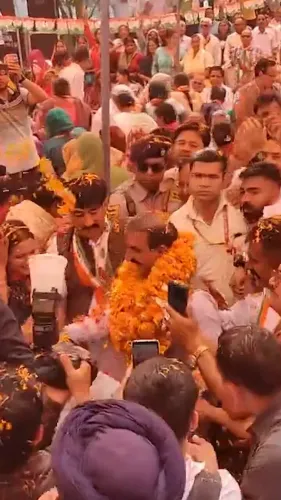
The Himachal Pradesh government has won a Supreme Court battle over the land of heritage luxury property Wild Flower Hall near Shimla, with the land mutated in the state's name and Rs 401 crore transferred to the state exchequer, the Chief Minister's Office announced on 18 July 2026.
Key Takeaways
The Chief Minister's Office of Himachal Pradesh announced a Supreme Court victory over the Wild Flower Hall land dispute on 18 July 2026 .
The state government asserted that the land and all assets of Wild Flower Hall , a heritage property in Mashobra near Shimla , belong to the state.
Following the court verdict, the land was formally mutated — transferred in revenue records — in the name of the Himachal Pradesh government .
The state received Rs 401 crore as a result of the legal resolution and mutation process.
The outcome adds to a broader pattern of Indian state governments reclaiming high-value heritage and hospitality assets through litigation.
Allocation of the recovered funds and future plans for the Wild Flower Hall property remain to be announced.
The Chief Minister's Office of Himachal Pradesh announced on Saturday, 18 July 2026 that the state government has won a Supreme Court battle over the land on which the heritage property Wild Flower Hall stands, securing a revenue transfer of Rs 401 crore to the state exchequer following the mutation of the land in the government's name.
Context
The CMO's post quoted the Chief Minister as stating: 'हमने कहा कि ऐसा नहीं चलेगा। वाइल्ड फ्लावर हॉल की ज़मीन हमारी है, सब कुछ हमारा है।' — ('We said this will not be allowed to continue. The land of Wild Flower Hall is ours, everything belongs to us.') The government then approached the Supreme Court of India and, according to the post, secured a favourable verdict. Following the ruling, the land was mutated — formally transferred in revenue records — in the name of the state government, after which Rs 401 crore was credited to Himachal Pradesh.
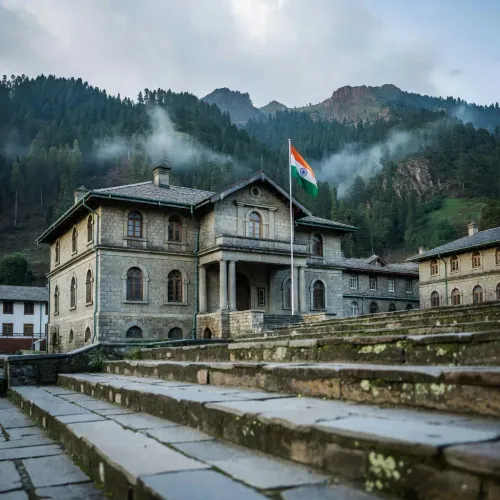
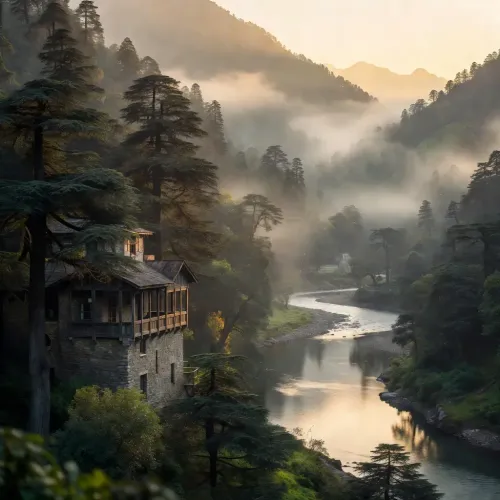
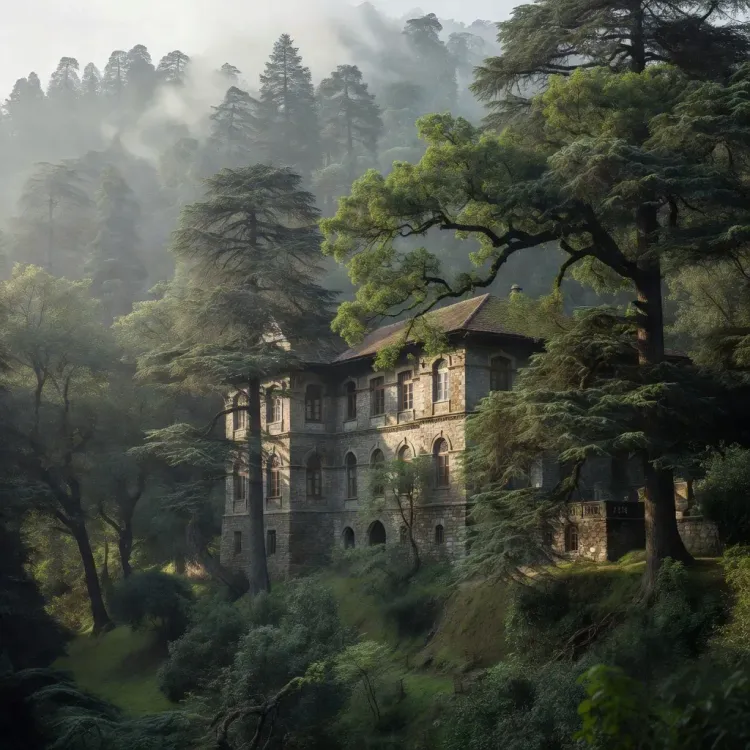
Wild Flower Hall, located in Mashobra near Shimla, is a heritage property that has operated as a luxury hotel. The site has been subject to long-standing title and lease disputes between the state and private operators, making the land's legal status a politically and commercially significant question for the hill state.
Policy Backdrop
State governments across India have increasingly turned to litigation to reclaim prime real estate and heritage assets held under contested leases or disputed titles. For Himachal Pradesh, which depends heavily on tourism, asserting public ownership over high-value hospitality properties carries both fiscal and symbolic weight. The state has pursued similar asset-recovery actions in the tourism and hospitality sectors over the past two decades.
The mutation of land — the official updating of revenue records to reflect a change in ownership — is a critical administrative step that precedes any monetisation or redevelopment of reclaimed property. By completing this step, the state has formalised its legal claim and unlocked the accompanying financial settlement of Rs 401 crore.
Stakeholders and Impact
The immediate beneficiary is the Himachal Pradesh state exchequer, which receives a significant one-time revenue infusion. For a hill state with constrained fiscal resources, Rs 401 crore represents a meaningful addition that can be directed toward infrastructure, welfare schemes, or debt servicing. The tourism sector will watch closely to see how the government chooses to manage or redevelop the Wild Flower Hall property going forward.
Private hospitality operators and investors with long-term lease arrangements on state land in Himachal Pradesh may also take note of this outcome as a signal of the government's willingness to contest and reclaim disputed assets through the courts.
What's Next
Attention will now turn to how the state allocates the Rs 401 crore in subsequent budget cycles and whether the government announces plans for the Wild Flower Hall property itself — whether through redevelopment, a fresh lease, or direct state operation. Observers will also watch for any parallel litigation involving other heritage or high-value properties in Shimla district, where similar title questions have historically arisen.
The resolution of the Wild Flower Hall dispute sets a precedent for how the Himachal Pradesh government may approach other contested land assets, potentially reshaping the state's relationship with private operators holding legacy arrangements over public land.
Frequently Asked Questions
What is Wild Flower Hall and why is it significant?
Wild Flower Hall is a heritage luxury hotel located in Mashobra near Shimla, Himachal Pradesh. It has been the subject of a long-running land ownership dispute between the state government and private operators, making its legal status significant for both the state's revenue and its tourism sector.
What did the Supreme Court decide about Wild Flower Hall?
According to the Chief Minister's Office of Himachal Pradesh, the Supreme Court ruled in favour of the state government, affirming its ownership of the Wild Flower Hall land. The land was subsequently mutated in the government's name.
How much money did Himachal Pradesh receive from the Wild Flower Hall case?
The Himachal Pradesh government received Rs 401 crore following the Supreme Court verdict and the mutation of the Wild Flower Hall land in the state's name.
What does mutation of land mean in this context?
Mutation refers to the formal updating of revenue records to reflect a change in land ownership. In this case, it means the Wild Flower Hall land has been officially recorded as belonging to the Himachal Pradesh government following the court verdict.
What will happen to Wild Flower Hall now that the land belongs to the state?
The Himachal Pradesh government has not yet announced plans for the property. Observers expect clarity in upcoming budget cycles on how the Rs 401 crore will be used and whether the property will be redeveloped, re-leased, or operated directly by the state.