Sonowal hails India-Oman CEPA entering into force
Synopsis
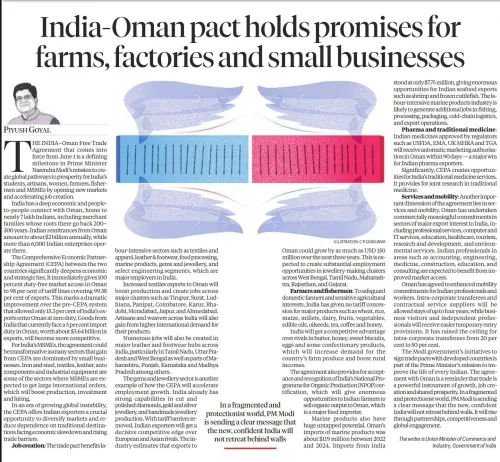
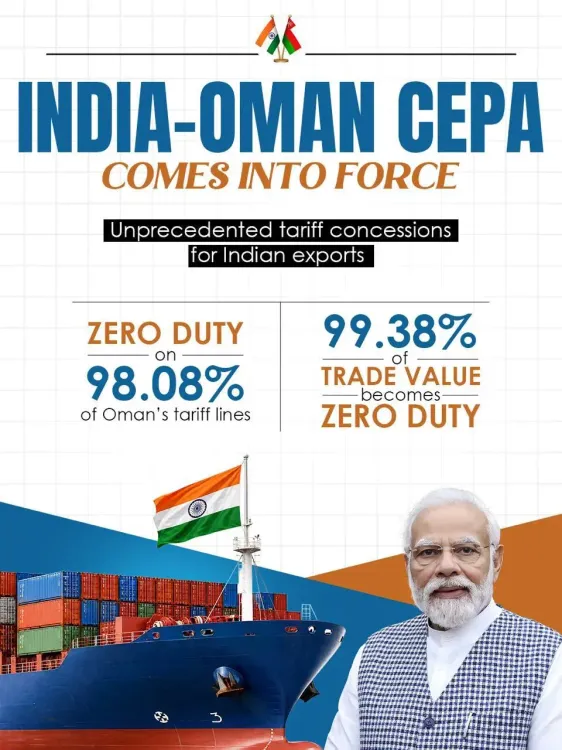
The India-Oman Comprehensive Economic Partnership Agreement came into force on June 1, 2026. Union Minister Sarbananda Sonowal hailed the deal, which grants zero-duty access to over 99% of Indian exports, benefits MSMEs, IT and healthcare professionals, while protecting farmers and the dairy sector.
Key Takeaways
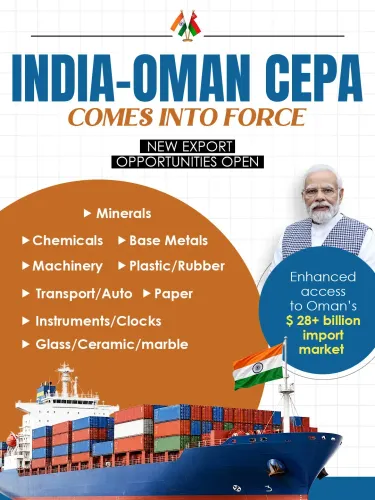
The India-Oman CEPA officially entered into force on June 1, 2026 .
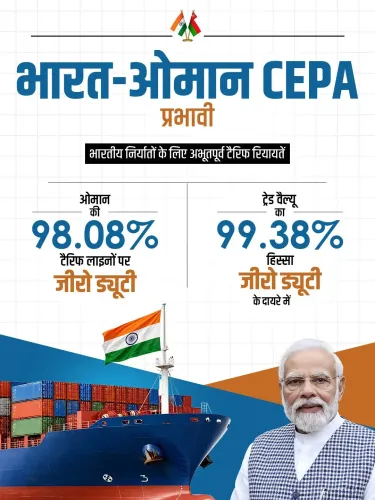
The agreement provides zero-duty access for over 99 per cent of India's exports to Oman.
MSMEs and exporters are identified as primary beneficiaries of the tariff relief.
Indian professionals in the IT and healthcare sectors gain improved access to the Omani market.
India's farmers and dairy sector have been specifically safeguarded from import competition under the pact.
The deal is part of India's broader strategy of fast-tracking Comprehensive Economic Partnership Agreements with key trade partners.
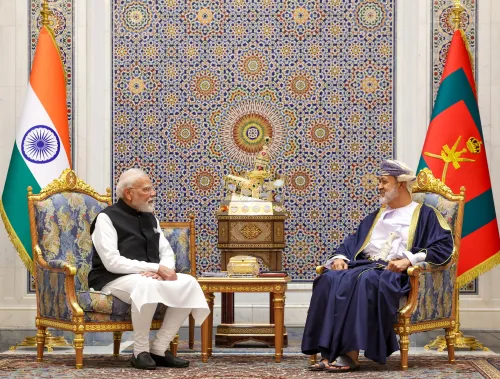
Union Minister of Ports, Shipping and Waterways Sarbananda Sonowal on Monday, June 1, 2026, welcomed the entry into force of the India-Oman Comprehensive Economic Partnership Agreement (CEPA), calling it a historic milestone that secures zero-duty access for over 99 per cent of India's exports to Oman and opens new avenues for Indian professionals and businesses.
Context
The India-Oman CEPA officially came into force on June 1, 2026, marking a significant step in bilateral trade relations between the two nations. Sonowal, a senior BJP leader and former Chief Minister of Assam, credited the agreement to the vision of Prime Minister Narendra Modi, describing it as a pact that will deliver tangible economic benefits across multiple sectors.
In his post on X, the minister stated: 'This historic pact secures Zero Duty access for over 99% of our exports, giving a massive boost to MSMEs and exporters.' The agreement is also expected to ease market access for Indian professionals in the IT and healthcare sectors.
Policy Backdrop
The India-Oman CEPA is part of India's broader push under the Modi government to fast-track free trade and partnership agreements with strategically important nations. India has pursued a series of such agreements in recent years, including deals with the UAE, Australia, and EFTA nations, as part of an export-led growth strategy.
Oman is a key trade and diplomatic partner for India in the Gulf Cooperation Council (GCC) region. The bilateral trade relationship is underpinned by a large Indian diaspora in Oman and strong energy, logistics, and investment ties. The CEPA framework is designed to institutionalise and deepen these linkages through preferential market access.
A notable feature highlighted by Sonowal is the agreement's protective provisions for India's farmers and dairy sector, signalling that the government has ring-fenced sensitive agricultural segments from import competition even as it liberalises trade broadly.
Stakeholders and Impact
MSMEs and exporters are positioned as the primary beneficiaries of the zero-duty access covering over 99 per cent of Indian exports. This tariff relief is expected to make Indian goods — ranging from textiles and engineering products to pharmaceuticals — more price-competitive in the Omani market.
Indian professionals in the IT and healthcare sectors stand to gain from improved mobility and services-trade provisions embedded in the agreement. Oman has a significant demand for skilled Indian professionals, and the CEPA is expected to provide a more structured and predictable framework for their engagement.
Simultaneously, the government has been careful to protect domestic agricultural interests. The exclusion or safeguarding of farmers and the dairy sector from the agreement's liberalisation provisions addresses longstanding concerns from farming communities about the impact of trade deals on rural livelihoods.
What's Next
With the agreement now operational, Indian exporters and businesses will need to familiarise themselves with the rules of origin, tariff schedules, and services provisions to fully leverage the CEPA's benefits. Industry bodies and export promotion councils are expected to roll out outreach programmes in the coming weeks.
The entry into force of the India-Oman CEPA adds momentum to India's trade diplomacy calendar and could set a template for similar agreements with other GCC nations. Analysts will watch closely whether the agreement translates into measurable export growth and professional mobility over the next few quarters, as the government looks to demonstrate the real-world dividends of its trade partnership strategy.
Point of View
Which has prioritised bilateral deals over slower multilateral negotiations. By securing near-total zero-duty access for exports while carving out agricultural protections, the government is attempting to balance the interests of the export lobby and the rural vote bank simultaneously. Sonowal's public endorsement — notable given his portfolio in ports and shipping rather than commerce — underscores the whole-of-government messaging strategy around trade agreements. Whether the CEPA delivers on its headline numbers will depend on implementation, rules-of-origin compliance, and how effectively Indian exporters are guided to utilise the new framework.
NationPress
15 Oct 2026
Frequently Asked Questions
What is the India-Oman CEPA?
The India-Oman Comprehensive Economic Partnership Agreement (CEPA) is a bilateral trade deal between India and Oman that provides preferential market access, including zero-duty access for over 99 per cent of Indian exports to Oman, and includes provisions for services trade and professional mobility.
When did the India-Oman CEPA come into force?
The India-Oman CEPA came into force on June 1, 2026.
How does the India-Oman CEPA benefit MSMEs?
The CEPA grants zero-duty access to over 99 per cent of Indian exports in the Omani market, making goods from Indian MSMEs more price-competitive and opening a significant export destination without tariff barriers.
Are Indian farmers affected by the India-Oman CEPA?
The Indian government has specifically safeguarded the farming and dairy sector under the CEPA, meaning these segments are protected from increased import competition arising from the trade deal.
Which Indian professionals benefit from the India-Oman CEPA?
Indian professionals in the IT and healthcare sectors are expected to benefit from improved market access and mobility provisions included in the India-Oman CEPA.