Jal Shakti Minister Paatil Reviews Jal Jeevan Mission Progress
Synopsis
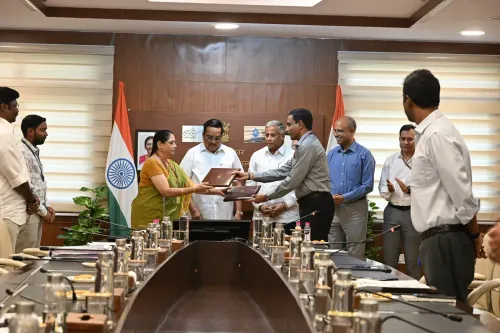
Union Jal Shakti Minister C. R. Paatil on June 24, 2026, reviewed progress of drinking water projects under the Jal Jeevan Mission and directed officials to complete all works with quality in a time-bound manner, reaffirming PM Modi's goal of safe tap water for every rural household.
Key Takeaways
Union Jal Shakti Minister C.
Paatil held a review meeting on June 24, 2026 to assess progress of drinking water projects under the Jal Jeevan Mission .
Officials were directed to complete all projects with quality in a time-bound and expeditious manner.
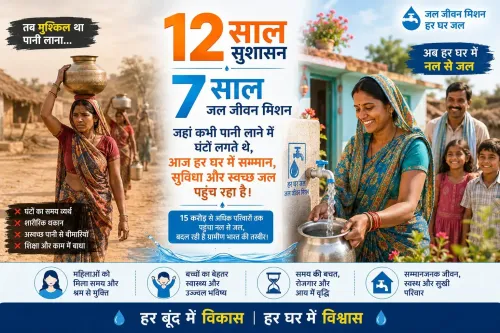
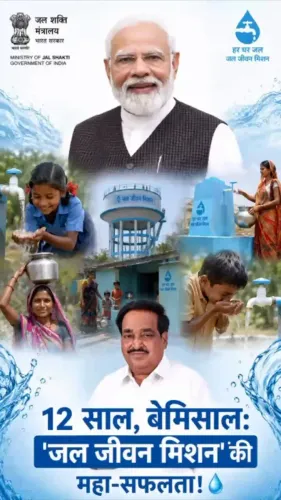
The mission, launched in 2019 , aims to provide functional household tap connections with safe drinking water to every rural household in India.
JJM subsumed the earlier National Rural Drinking Water Programme operational since 2009 .
Key stakeholders include state water departments and district-level agencies responsible for on-ground execution.
Updated JJM dashboard figures on household tap connections and follow-up fund announcements are expected to be watched closely.
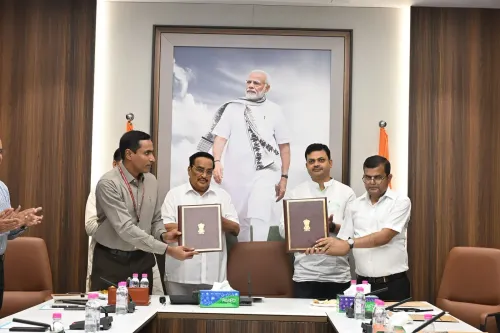
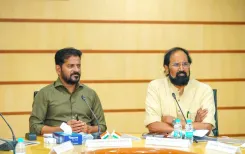
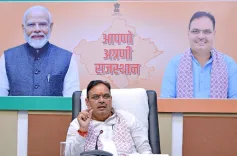
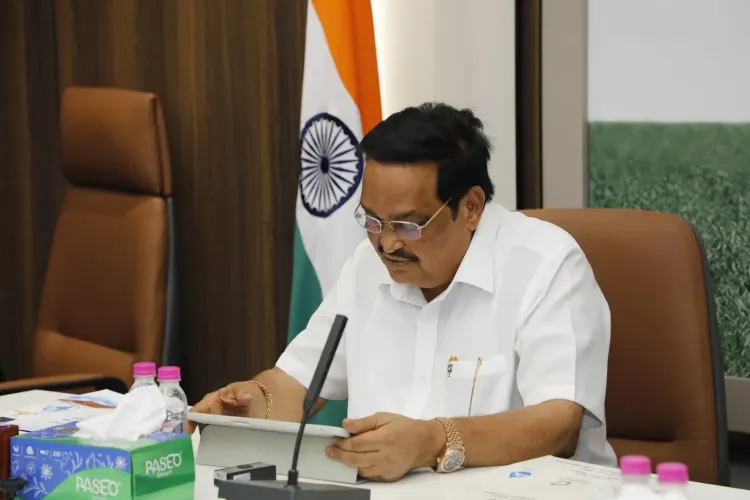
Union Jal Shakti Minister C. R. Paatil on Wednesday, June 24, 2026, chaired a review meeting to assess the progress of various drinking water projects under the Jal Jeevan Mission (JJM), directing officials to complete all pending works with quality and within stipulated timelines.
Context
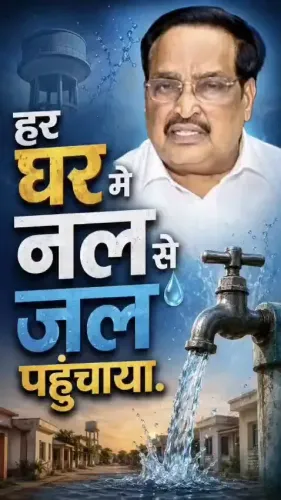
Posting on X, Minister Paatil stated — 'आज जल जीवन मिशन के अंतर्गत विभिन्न पेयजल परियोजनाओं की प्रगति की समीक्षा की' ['Today, reviewed the progress of various drinking water projects under the Jal Jeevan Mission']. He added that work is advancing rapidly with the resolve to deliver safe and clean drinking water to every rural household under the leadership of Prime Minister Narendra Modi. Officials concerned were instructed to complete all projects with quality in a time-bound and expeditious manner.
The review underscores the central government's continued emphasis on monitoring field-level execution of one of its flagship rural welfare programmes. Such high-level oversight meetings are a standard mechanism used to enforce accountability across state water departments and implementing agencies.
Policy Backdrop
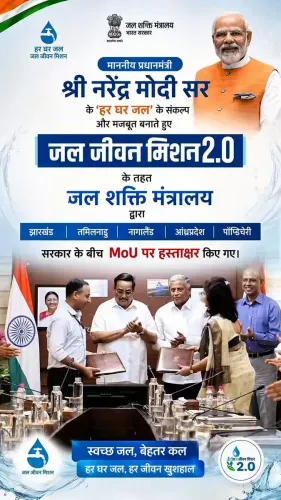
The Jal Jeevan Mission was launched in 2019 by the Modi government with the stated objective of providing a functional household tap connection (FHTC) supplying safe and adequate drinking water to every rural household in India. The scheme subsumed the earlier National Rural Drinking Water Programme, which had been operational since 2009.
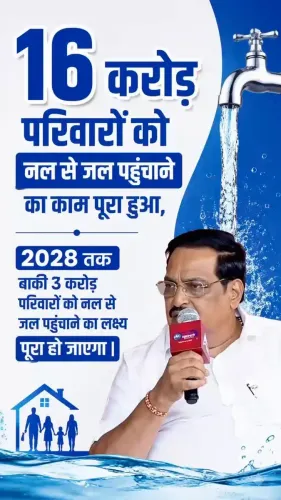
JJM represents one of the largest rural infrastructure drives in independent India, covering millions of households across diverse geographies — from plains to remote tribal and hill regions. Coverage expansion under the mission has been consistently projected by the government as a core indicator of rural welfare delivery and last-mile governance.
Stakeholders and Impact
The primary beneficiaries of the Jal Jeevan Mission are rural households across India, particularly in states where access to clean piped water has historically been limited. State water departments and district-level implementing agencies are the key operational stakeholders responsible for project execution on the ground.
Quality compliance and deadline adherence have been recurring concerns in large-scale infrastructure rollouts of this nature. Minister Paatil's directive to officials to prioritise both quality and timely completion signals that the Centre is actively tracking these parameters at the highest level.
What's Next
Attention will now turn to updated figures on the JJM dashboard, which tracks household tap connections in real time, and to any follow-up state-level review meetings or fund allocation announcements that may emerge from this round of monitoring. Sustained ministerial engagement of this kind typically precedes accelerated target-setting cycles, particularly as the government seeks to consolidate rural infrastructure gains ahead of the next planning review period.
Point of View
The ministry is pre-empting criticism around infrastructure quality that has dogged large-scale rural water projects in the past. The emphasis on PM Modi's leadership in the post also serves to reinforce the political ownership of JJM at the highest level. As the government approaches the next planning cycle, sustained ministerial oversight of this kind is likely to intensify as a mechanism for demonstrating delivery on flagship commitments.
NationPress
24 Jun 2026
Frequently Asked Questions
What is the Jal Jeevan Mission?
The Jal Jeevan Mission is a flagship central government scheme launched in 2019 to provide functional household tap connections with safe and adequate drinking water to every rural household in India. It expanded upon the earlier National Rural Drinking Water Programme.
What did C. R. Paatil do at the Jal Jeevan Mission review meeting?
Union Jal Shakti Minister C. R. Paatil reviewed the progress of various drinking water projects under the Jal Jeevan Mission on June 24, 2026, and directed officials to complete all projects with quality in a time-bound and expeditious manner.
What is the target of the Jal Jeevan Mission?
The Jal Jeevan Mission aims to deliver safe and clean piped drinking water through functional household tap connections to every rural household across India, covering diverse geographies including remote tribal and hill regions.
Who is C. R. Paatil?
C. R. Paatil is the Union Minister of Jal Shakti in the Indian government, a senior BJP leader, and former president of the BJP's Gujarat state unit.
How is the Jal Jeevan Mission progress tracked?
The government maintains a publicly accessible JJM dashboard that tracks real-time data on household tap connections across states, serving as a key monitoring tool for the scheme's coverage expansion.