Jal Shakti Minister Paatil Reviews JJM Progress with MP MPs
Synopsis
Union Jal Shakti Minister C. R. Paatil chaired a review meeting with Madhya Pradesh MPs at New Delhi's MP Bhawan on 11 August 2026, gathering constituency-level feedback on Jal Jeevan Mission progress, water-source sustainability, and implementation gaps to accelerate delivery of safe tap water to every rural household.
Key Takeaways
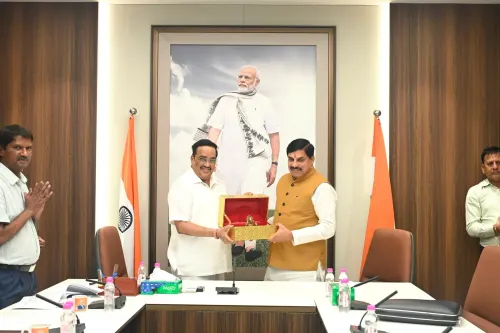
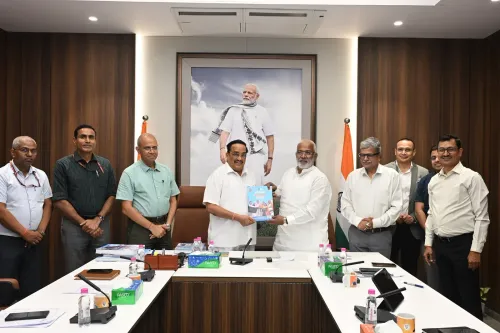
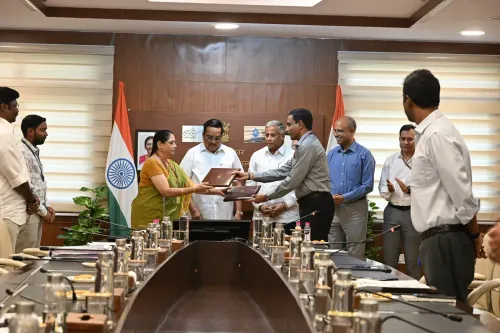
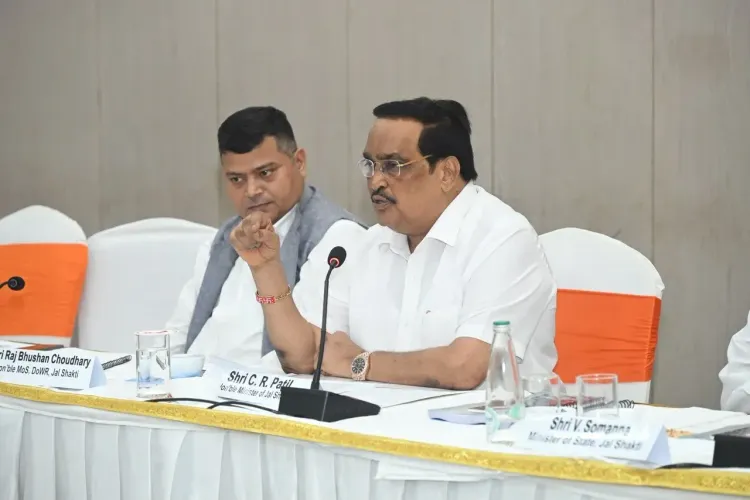
Paatil , Union Jal Shakti Minister, held a detailed review meeting with Madhya Pradesh MPs at Madhya Pradesh Bhawan, New Delhi on 11 August 2026 .
MPs shared constituency-level feedback on Jal Jeevan Mission covering water-source sustainability, supply regularity, scheme quality, maintenance, and local implementation challenges.
Virendra Kumar (Social Justice), V.
Somanna and Raj Bhushan Choudhary (Jal Shakti MoS), and Durgadas Uike (Tribal Affairs MoS) were also present.
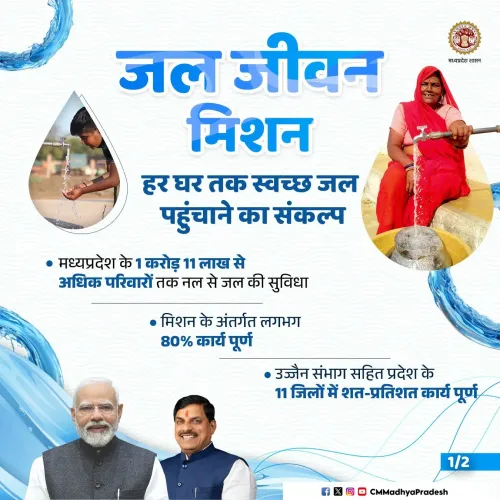
Jal Jeevan Mission , launched in 2019 , aims to deliver functional household tap connections to all rural families — the target was originally 2024 and has been extended.
The ministry committed to using MP feedback to speed up time-bound, quality-driven implementation through tighter Centre-Madhya Pradesh state coordination .
Every rural household getting clean tap water — not just a pipe laid at the roadside — is the bar Union Jal Shakti Minister C. R. Paatil set at Madhya Pradesh Bhawan, New Delhi, on 11 August 2026, as he sat down with Members of Parliament from Madhya Pradesh to take stock of where the Jal Jeevan Mission actually stands on the ground.
What the MPs brought to the table
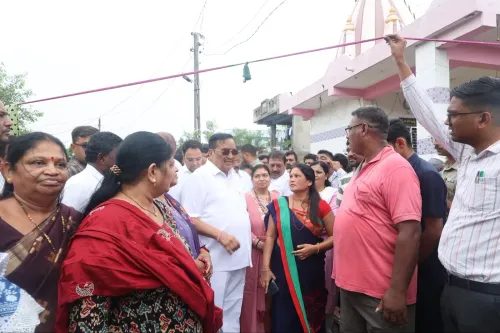
The meeting was a frank, constituency-level debrief. Lawmakers shared ground-level feedback on water-source sustainability, scheme quality, regularity of supply, maintenance gaps, and the practical hurdles their constituents face daily. This is the kind of granular intelligence that state-level data dashboards rarely capture — and Paatil's ministry is explicitly using it to recalibrate implementation.
Also present were Union Minister of Social Justice and Empowerment Dr. Virendra Kumar, Minister of State for Jal Shakti V. Somanna, Minister of State for Jal Shakti Raj Bhushan Choudhary, and Minister of State for Tribal Affairs Durgadas Uike — a cross-ministry lineup that signals the mission's reach beyond plumbing into social equity for tribal and marginalised communities.
The mission's original promise — and the pressure to deliver it
Launched in 2019, the Jal Jeevan Mission was Prime Minister Narendra Modi's commitment to deliver functional household tap connections to every rural home in India — a target originally set for 2024 and subsequently extended as implementation complexity became clear. Paatil's framing on Tuesday was pointed: the mission's goal is not merely to build water infrastructure, but to ensure 'niyamit evam surakshit jal' — regular and safe water — reaches every rural family's tap.
That distinction matters. India has a long history of rural water schemes that built overhead tanks and pipelines that then fell silent within years — victims of poor maintenance, dried-up sources, or no one assigned to run them. The ministry's current emphasis on source sustainability and upkeep is a direct acknowledgement of that pattern.
Centre-state coordination gets a push
Paatil indicated that the MPs' field inputs and lived experience would directly inform accelerated, time-bound implementation through tighter coordination between the Union government and the Madhya Pradesh state government. Madhya Pradesh, a large, BJP-governed state with significant rural and tribal populations, is among the key states where JJM's on-ground performance shapes the mission's national numbers.
The mechanism here is deliberate: loop in elected representatives who hear from constituents, feed that intelligence upward, and use it to pressure-test the bureaucratic pipeline. Whether the feedback loop translates into faster connections and functioning taps is the question that will be answered in the data — and in the next round of reviews.
For millions of rural families in Madhya Pradesh, the promise is simple: water from a tap, every day, safe to drink. The government has the blueprint. The MPs have handed over the field report. Execution is now the only metric that counts.
Point of View
Keeping JJM visibly on track in large states like Madhya Pradesh is both a welfare imperative and a political one, given the scheme's centrality to the party's rural outreach narrative. The cross-ministry presence signals an attempt to address JJM's social-equity dimensions — particularly for tribal communities — beyond the purely infrastructural. The real test will be whether this round of consultations produces measurable improvements in functional tap connections and source sustainability, rather than another layer of coordination meetings.
NationPress
12 Aug 2026
Frequently Asked Questions
What is the Jal Jeevan Mission and when was it launched?
Jal Jeevan Mission is a flagship central government scheme launched in 2019 to provide functional household tap connections to all rural households in India. Its original target year was 2024, which has since been extended.
Why did C. R. Paatil meet Madhya Pradesh MPs on 11 August 2026?
Jal Shakti Minister C. R. Paatil convened the meeting at Madhya Pradesh Bhawan, New Delhi, to review the progress of Jal Jeevan Mission in MP constituencies and gather ground-level feedback from MPs on water-source sustainability, supply regularity, quality, and local implementation challenges.
Who else attended the Jal Jeevan Mission review meeting with Madhya Pradesh MPs?
Union Minister of Social Justice Dr. Virendra Kumar, Ministers of State for Jal Shakti V. Somanna and Raj Bhushan Choudhary, and Minister of State for Tribal Affairs Durgadas Uike attended alongside Madhya Pradesh MPs.
What is the goal of Jal Jeevan Mission beyond building water infrastructure?
According to Minister Paatil, the mission's goal is not just constructing water structures but ensuring that every rural family receives regular and safe water directly at their household tap.
What happens next after the MP feedback meeting on Jal Jeevan Mission?
The ministry has indicated that MPs' field inputs will be used to accelerate time-bound, quality-focused implementation through better coordination between the Union government and the Madhya Pradesh state government.