Jal Shakti Minister Paatil Reviews Navsari Flood Relief Ops
Synopsis
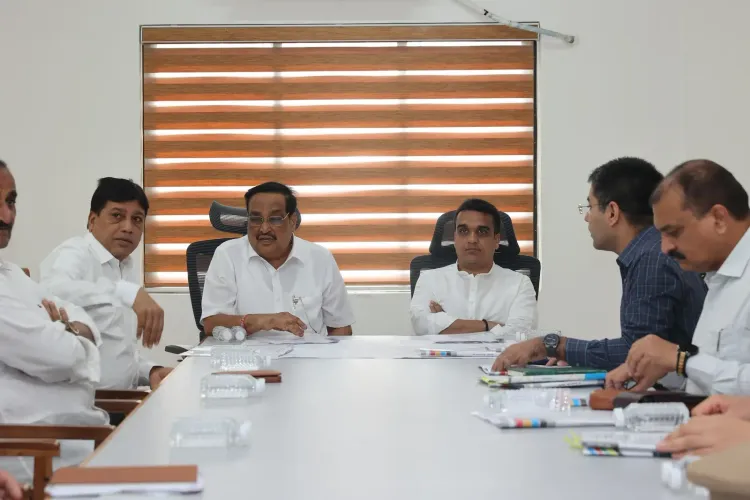
Union Jal Shakti Minister C. R. Paatil joined Gujarat Deputy CM Harsh Sanghavi at the Navsari Disaster Emergency Operation Centre on 25 July 2026 to review flood conditions and sharpen relief-rescue coordination between central and state agencies.
Key Takeaways
Union Jal Shakti Minister C.
Paatil visited the Navsari Disaster Emergency Operation Centre on 25 July 2026 .
Gujarat Deputy Chief Minister Harsh Sanghavi participated in the joint flood-situation review.
Discussions focused on rapid assistance to affected areas, strengthening rescue operations, and improving inter-agency coordination.
The review fits the Centre-state framework under the National Disaster Management Act, 2005 .
Possible follow-up actions include central relief fund releases and reinforcement of NDRF teams in Gujarat.
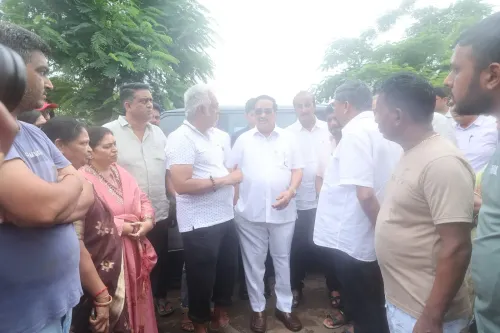
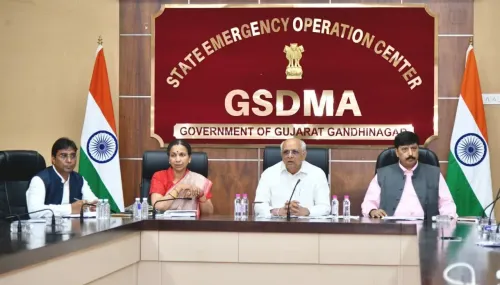
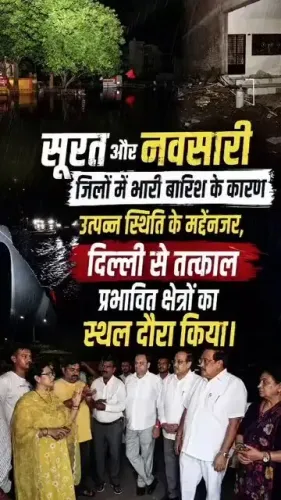
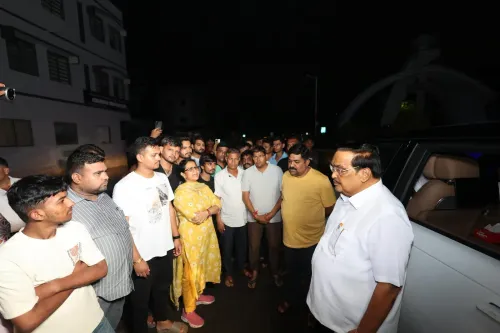
Union Jal Shakti Minister C. R. Paatil on Saturday, 25 July 2026 conducted a detailed review of the flood situation and relief-rescue preparedness at the Navsari Disaster Emergency Operation Centre in southern Gujarat, alongside Gujarat Deputy Chief Minister Harsh Sanghavi.
Context
Posting on X, Minister Paatil wrote — 'Navsari aapda apatkaleen sanchalan kendra mein Gujarat ke upamukhyamantri Harsh Sanghavi ji ke saath baadh ki sthiti evam rahat-bachav taiyariyon ki vistrit sameeksha ki' — ('Conducted a detailed review of the flood situation and relief-rescue preparedness at the Navsari Disaster Emergency Operation Centre with Gujarat Deputy Chief Minister Harsh Sanghavi'). The minister noted that necessary discussions were held with concerned officials to ensure rapid assistance in affected areas, strengthen relief and rescue operations, and improve coordination among administrative machinery.
The review took place at the Navsari district emergency operations centre, a key coordination hub for disaster response in southern Gujarat during the monsoon season.
Policy Backdrop
The joint review reflects the framework established under the National Disaster Management Act, 2005, which created the National Disaster Management Authority (NDMA) and mandated structured coordination between central and state agencies during disasters. Gujarat strengthened its own State Disaster Management Authority following the devastating 2001 earthquake and subsequent major flood events.
The Jal Shakti Ministry oversees water resources and river development at the Union level, giving it a direct stake in flood monitoring and management. Central ministers from Jal Shakti routinely conduct on-ground reviews with state leadership during the monsoon months to supplement state capacity with technical and logistical support.
Stakeholders and Impact
Flood-affected residents across Navsari district and surrounding areas in southern Gujarat are the primary stakeholders awaiting accelerated relief. The presence of both a senior Union minister and the state's Deputy Chief Minister at a single operational review signals the administration's intent to apply both central and state resources to the crisis.
Harsh Sanghavi, who holds the Home portfolio in the Gujarat cabinet in addition to his role as Deputy Chief Minister, brings direct authority over state police and disaster response machinery to the coordination table. The joint review is designed to eliminate gaps between Union agencies, state departments, and district administration in delivering aid to affected communities.
What's Next
Observers will watch for the release of central relief funds, possible deployment or reinforcement of National Disaster Response Force (NDRF) teams in Gujarat, and any follow-up field visits during the remainder of the 2026 monsoon season. The emphasis on 'better coordination among administrative machinery' in the minister's statement suggests that inter-agency communication protocols may be tightened in the days ahead.
With extreme rainfall events becoming a recurring challenge across Gujarat's coastal and riverine districts, the outcome of this review could shape the template for Centre-state disaster coordination in the region through the rest of the monsoon.
Point of View
Not just bureaucratic oversight. The Jal Shakti Ministry's involvement underscores how flood management has become central to the ministry's operational mandate beyond its traditional water-resources brief. The joint review also reinforces the BJP's political interest in demonstrating swift, visible governance in a state it has held for over two decades. Watch whether this visit translates into concrete central fund releases or NDRF augmentation, which would be the real measure of its impact.
NationPress
25 Jul 2026
Frequently Asked Questions
Why did C. R. Paatil visit Navsari?
C. R. Paatil, Union Jal Shakti Minister, visited Navsari on 25 July 2026 to conduct a detailed review of the flood situation and relief-rescue preparedness at the district's Disaster Emergency Operation Centre alongside Gujarat Deputy CM Harsh Sanghavi.
What is the Navsari Disaster Emergency Operation Centre?
The Navsari Disaster Emergency Operation Centre is a coordination hub in Navsari district, southern Gujarat, used by state and district authorities to manage disaster response, monitor flood conditions, and direct relief operations during emergencies such as monsoon floods.
What role does the Jal Shakti Ministry play in flood management?
The Jal Shakti Ministry oversees water resources and river development at the Union level, giving it a direct stake in flood monitoring. During monsoon emergencies, its ministers coordinate with state governments to supplement local capacity with central technical and logistical support.
Who is Harsh Sanghavi?
Harsh Sanghavi is the Deputy Chief Minister of Gujarat and also holds the state's Home portfolio, giving him direct authority over state police and disaster response machinery.
What could follow the Navsari flood review?
Likely follow-up actions include the release of central relief funds, possible reinforcement of National Disaster Response Force teams in Gujarat, and further field reviews during the remainder of the 2026 monsoon season.