Joshi Chairs MNRE Meet on Wind Energy Roadmap
Synopsis
Union Minister Pralhad Joshi chaired an MNRE review on 7 July 2026, directing officials to strengthen state coordination for wind energy projects and prepare a long-term offshore wind development roadmap, as India works toward its 500 GW non-fossil power target by 2030.
Key Takeaways
Pralhad Joshi chaired a review meeting with senior MNRE officials on 7 July 2026 focused on accelerating wind energy development.
The minister directed stronger coordination with state governments and faster implementation of wind energy projects.
Officials were asked to prepare a long-term roadmap for offshore wind development in India.
India's National Offshore Wind Energy Policy has been in place since 2015 , with initial zones identified off Gujarat and Tamil Nadu .
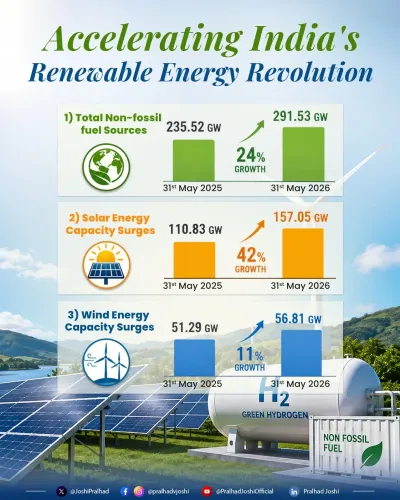
The push aligns with India's commitment to 500 GW of non-fossil installed capacity by 2030 under its updated Paris Agreement NDC.
No commercial-scale offshore wind capacity has been commissioned in India to date, making the new roadmap directive significant.
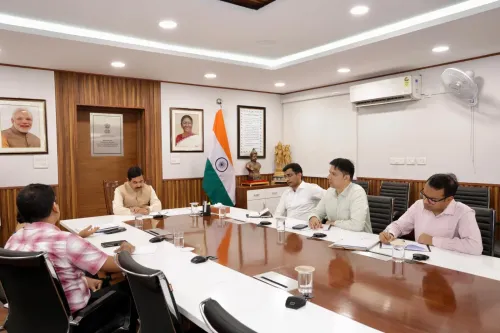
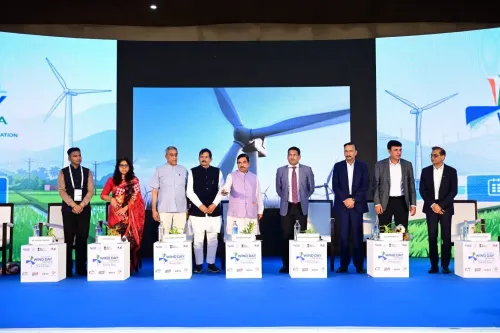
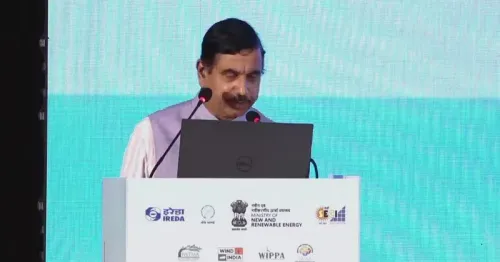
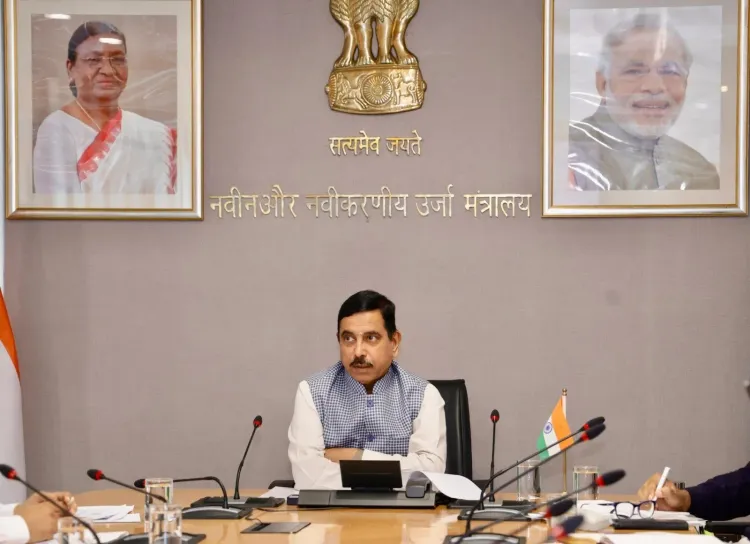
Union Minister of New and Renewable Energy Pralhad Joshi on Tuesday, 7 July 2026, chaired a high-level review meeting with senior officials of the Ministry of New and Renewable Energy (MNRE) to discuss accelerating wind energy development across India. The minister directed officials to strengthen coordination with state governments, fast-track project implementation, and prepare a dedicated long-term roadmap for offshore wind energy.
Context
Posting on X after the meeting, Joshi said he 'deliberated on achieving the country's true wind energy potential through stronger coordination with States, and faster project implementation.' He also stated that officials were directed to 'prepare a long-term roadmap for offshore wind development in the country.' The meeting signals renewed ministerial attention to a sector that has seen uneven progress against ambitious national targets.
India has set a target of 500 GW of non-fossil fuel-based installed power capacity by 2030, a commitment enshrined in its updated Nationally Determined Contribution under the Paris Agreement in 2022. Wind energy — both onshore and offshore — is a critical pillar of that goal.
Policy Backdrop
The Government of India first notified the National Offshore Wind Energy Policy in 2015, creating a framework for demonstration and commercial projects in the country's Exclusive Economic Zone. This was followed in 2019 by an MNRE Strategy Paper that identified initial development zones off the coasts of Gujarat and Tamil Nadu.
Despite this early policy groundwork, offshore wind capacity has yet to be commissioned at commercial scale in India, in contrast to markets such as the United Kingdom and China. Onshore wind, meanwhile, faces constraints around land availability and grid connectivity, making the offshore route increasingly important for long-term capacity addition. The direction to prepare a fresh long-term offshore roadmap suggests the ministry intends to move beyond strategy papers toward actionable implementation frameworks.
Stakeholders and Impact
State governments — particularly those with significant coastlines or wind-rich corridors — are central to the coordination challenge flagged by the minister. Land acquisition, grid infrastructure, and power-purchase agreements all require active state participation, and gaps in this alignment have historically slowed project timelines.
For wind project developers and equipment manufacturers, a clearer long-term offshore roadmap would provide the investment visibility needed to commit capital to an asset class with long gestation periods. Coastal communities and port infrastructure operators in states such as Gujarat, Tamil Nadu, Andhra Pradesh, and Maharashtra stand to be directly affected by any large-scale offshore programme that follows.
What's Next
The immediate deliverable flagged from the meeting is the preparation of a long-term offshore wind roadmap by MNRE officials. Observers will watch for whether this roadmap is accompanied by specific capacity targets, designated development zones, or joint working groups with coastal states.
Faster onshore project implementation — the other key directive from the meeting — will depend on how effectively the Centre can resolve state-level bottlenecks around land, evacuation infrastructure, and regulatory clearances. The outcome of this review meeting could set the tone for wind energy policy execution in the run-up to 2030.
Point of View
And is now applying direct political pressure to close it. By explicitly directing a long-term offshore roadmap, Joshi is attempting to move the conversation from strategy documents to binding implementation frameworks, a shift the sector has long sought. The emphasis on state coordination is telling: it acknowledges that the Centre's renewable energy ambitions are structurally dependent on state-level political will, land administration, and grid investment. If the roadmap translates into firm capacity auctions and inter-governmental agreements, this meeting could mark a genuine inflection point for India's offshore wind programme ahead of the 2030 deadline.
NationPress
7 Jul 2026
Frequently Asked Questions
What was decided at Pralhad Joshi's MNRE wind energy meeting?
Pralhad Joshi directed MNRE officials to strengthen coordination with state governments, accelerate wind project implementation, and prepare a long-term roadmap for offshore wind development in India.
What is India's offshore wind energy policy?
India notified the National Offshore Wind Energy Policy in 2015 to facilitate offshore wind projects in its Exclusive Economic Zone. A 2019 strategy paper identified initial development zones off Gujarat and Tamil Nadu .
What is India's wind energy target for 2030?
India aims to achieve 500 GW of total non-fossil fuel installed power capacity by 2030 , a target committed to under its updated Nationally Determined Contribution to the Paris Agreement in 2022 . Wind energy is a key component of this goal.
Why is offshore wind important for India?
Onshore wind sites in India face increasing constraints around land availability and grid connectivity. Offshore wind offers access to stronger, more consistent winds and reduces land-use conflicts, making it critical for long-term capacity addition toward the 2030 target.
Which states are important for India's offshore wind development?
Gujarat and Tamil Nadu were identified as priority zones in the 2019 MNRE strategy paper. States with significant coastlines, including Andhra Pradesh and Maharashtra , are also considered key stakeholders for any large-scale offshore wind programme.