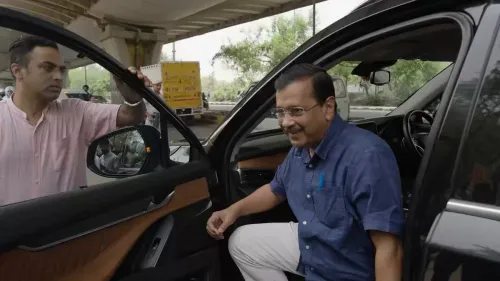
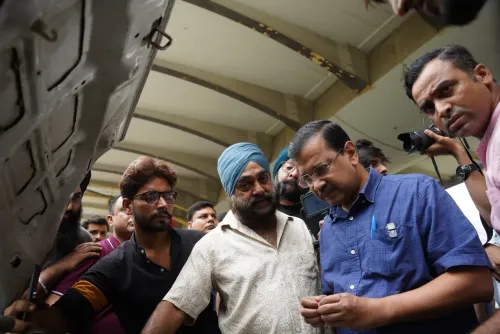
Kejriwal writes to PM Modi on E20 petrol, calls press meet
Synopsis
AAP convenor Arvind Kejriwal wrote to Prime Minister Narendra Modi on 13 July 2026 raising concerns over E20 petrol, India's 20% ethanol-blended fuel programme, and announced a press conference at noon on 14 July to publicly detail his objections.
Key Takeaways
Arvind Kejriwal wrote to Prime Minister Narendra Modi on 13 July 2026 over the E20 petrol issue.
He announced a press conference at 12 noon on 14 July 2026 to elaborate on his concerns.
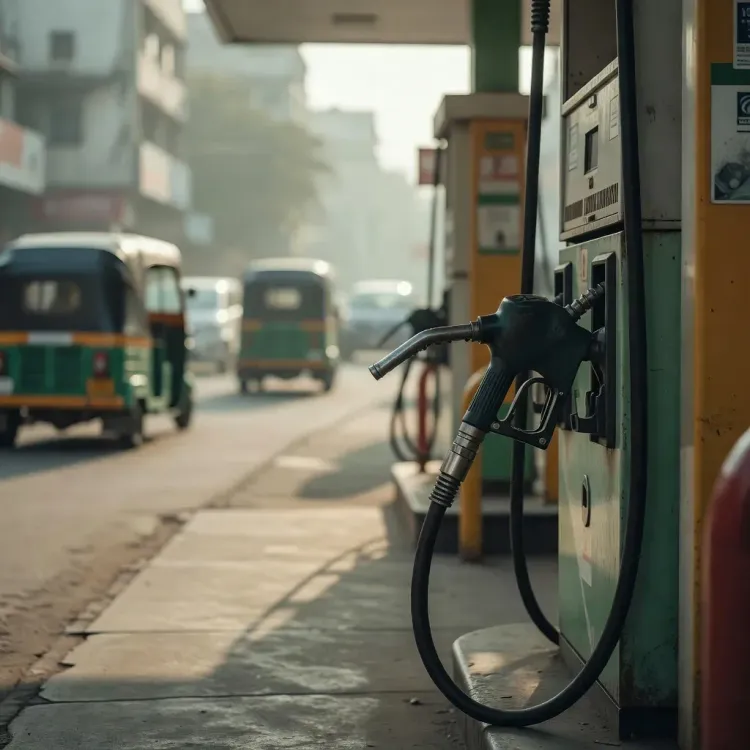
E20 petrol contains 20% ethanol blended with petrol under India's Ethanol Blended Petrol (EBP) programme .
The central government advanced its E20 target from 2030 to 2025 in 2021 , triggering a phased national rollout.
Key concerns around E20 include mileage loss , engine compatibility for older vehicles, and fuel pricing for consumers.
The specific contents of the letter remain undisclosed pending the press conference.
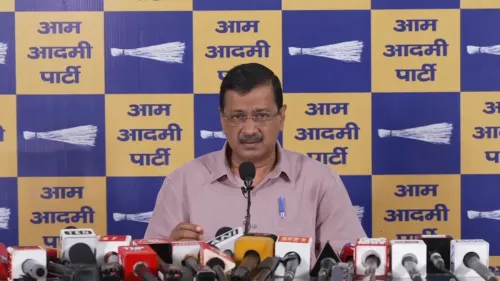
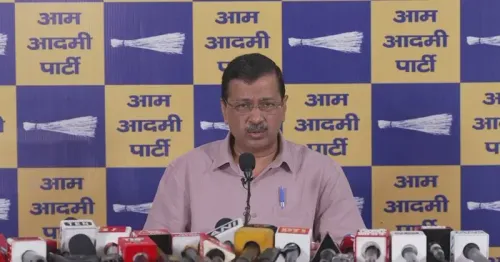
AAP convenor Arvind Kejriwal announced on Tuesday, 14 July 2026 that he had written a letter to Prime Minister Narendra Modi on the issue of E20 petrol and would hold a press conference at 12 noon to elaborate on his concerns.
Context
Posting in Hindi on X, Kejriwal stated: 'E20 peetrol ke mudde par kal maine Pradhan Mantri ji ko patra likha' — 'Yesterday I wrote a letter to the Prime Minister on the issue of E20 petrol. Press conference today at 12 o'clock.' The post offered no further details about the contents of the letter, which the AAP chief said he would disclose at the press conference.
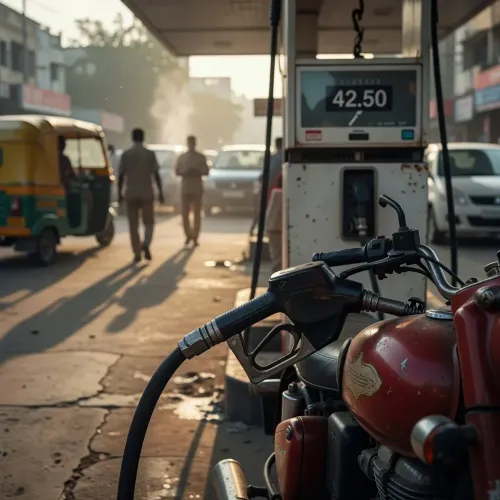
E20 petrol refers to fuel blended with 20 per cent ethanol, a key plank of the central government's Ethanol Blended Petrol (EBP) programme. The blend is intended to reduce India's dependence on crude-oil imports, boost farm incomes in the sugar sector, and help meet the country's climate commitments.
Policy Backdrop
India's National Policy on Biofuels, 2018 set out an ambitious roadmap for progressively higher ethanol blending in petrol, beginning at E5 and moving through E10 toward E20. In 2021, the central government advanced the E20 target from 2030 to 2025, signalling urgency and triggering a phased rollout of higher-blend fuel at pumps across the country.
Oil marketing companies and vehicle manufacturers have been adapting supply chains and engine specifications to accommodate the transition. However, the shift has not been without friction: consumer groups and opposition voices have periodically raised questions about mileage loss, engine compatibility for older vehicles, and the pricing of blended fuel relative to standard petrol.
Stakeholders and Impact
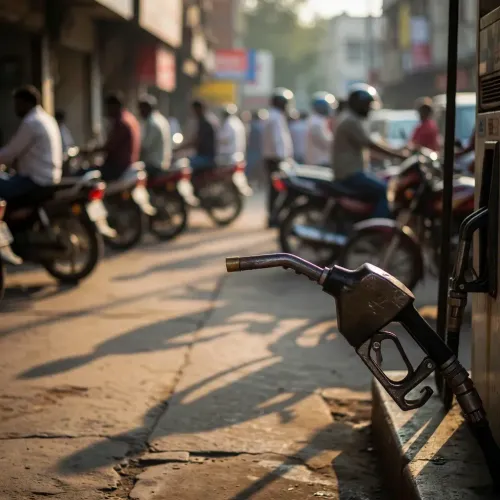
The E20 transition touches a wide range of interests. Vehicle owners — particularly those with older engines not optimised for high-ethanol blends — face potential concerns over fuel efficiency and warranty coverage. Ethanol producers, largely drawn from the sugarcane belt, stand to gain from expanded procurement. Oil marketing companies must manage blending logistics, storage and retail pricing across a vast distribution network.
Kejriwal, as former Chief Minister of Delhi — a megacity with one of India's largest vehicle populations — has a direct constituency interest in how E20 affects everyday commuters and auto-rickshaw and taxi operators who depend on petrol-run engines.
What's Next
The contents of Kejriwal's letter to the Prime Minister and the specific objections or demands he intends to raise remain to be disclosed at the 12 noon press conference. Observers will watch whether he calls for a rollback or slowdown of the E20 rollout, demands consumer safeguards such as mileage compensation or engine-compatibility guarantees, or flags pricing concerns for lower-income vehicle users.
A formal response from the Prime Minister's Office or the Ministry of Petroleum and Natural Gas to the letter, and any resulting changes to the E20 implementation schedule or vehicle warranty guidelines, will be the key markers of whether the political intervention carries policy weight.
Point of View
AAP frames itself as both a watchdog on energy policy and a champion of the urban vehicle-owning middle class — a demographic critical to the party's electoral base in Delhi and other cities. The move also tests the central government's responsiveness: a formal reply from the Ministry of Petroleum would validate the intervention, while silence allows AAP to sustain the narrative. Broader context matters too — as India pushes toward E20 and eventually E85, the political economy of fuel transitions will increasingly become contested terrain between the Centre and state-level actors.
NationPress
14 Jul 2026
Frequently Asked Questions
What is E20 petrol and why is it controversial in India?
E20 petrol is fuel blended with 20% ethanol, promoted by the central government to cut crude-oil imports and support sugarcane farmers. It has drawn concern from vehicle owners over potential mileage loss and engine compatibility issues, particularly for older vehicles not designed for high-ethanol blends.
Why did Arvind Kejriwal write to PM Modi about E20 petrol?
Kejriwal announced on 14 July 2026 that he had written to Prime Minister Modi on the E20 petrol issue, with the specific contents of the letter to be revealed at a press conference at 12 noon the same day.
What is India's ethanol blending target and when is E20 to be fully rolled out?
India's central government advanced its E20 target from 2030 to 2025 in 2021, mandating a phased rollout of 20% ethanol-blended petrol across the country through oil marketing companies.
How does E20 petrol affect vehicle mileage and engine life?
Higher ethanol blends like E20 can reduce fuel efficiency in vehicles not optimised for them, as ethanol has lower energy density than petrol. Older engines may also face compatibility and warranty concerns, which is why auto manufacturers have been updating specifications for newer models.
What will Kejriwal's press conference on E20 petrol cover?
Kejriwal announced the press conference for 12 noon on 14 July 2026 to detail his concerns about E20 petrol following his letter to the Prime Minister. The specific demands or objections — such as pricing safeguards, rollout timelines, or engine-compatibility protections — were expected to be disclosed at the event.