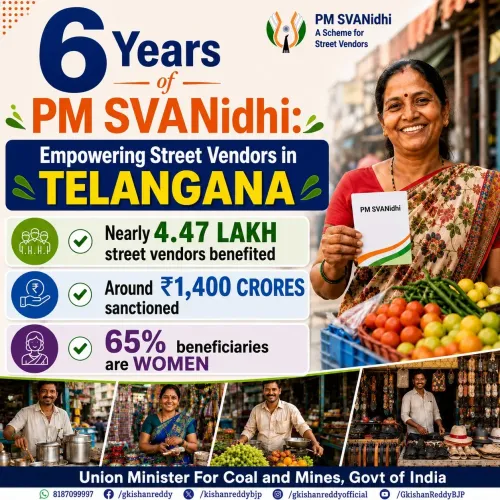
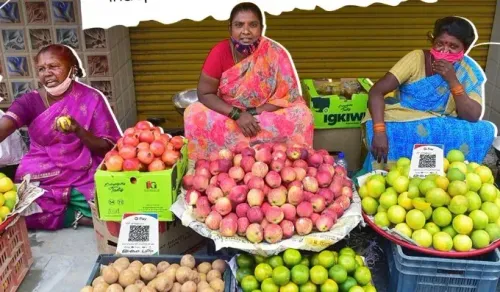
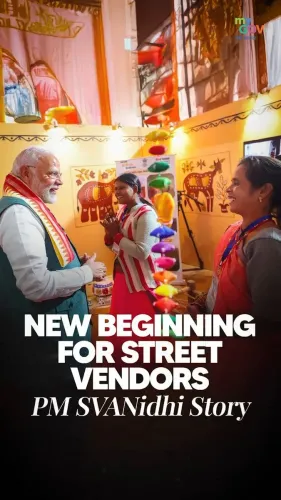
Kishan Reddy marks 6 years of PM SVANidhi, cites 75 lakh vendors
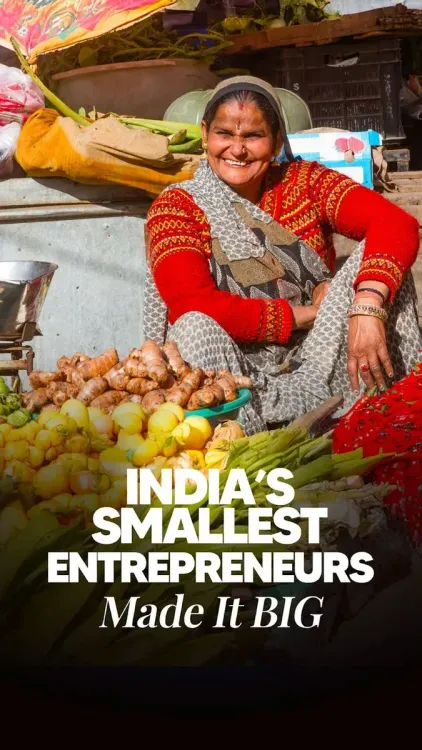
Synopsis
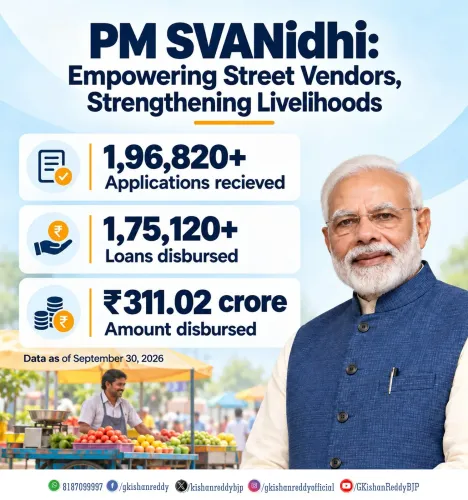
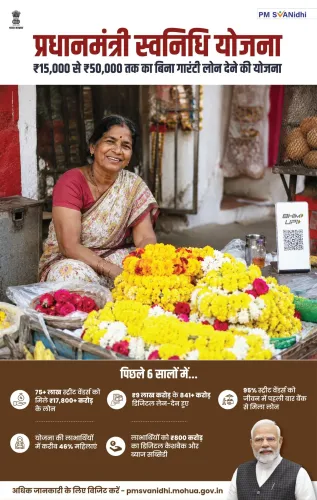
Union Minister G. Kishan Reddy has marked six years of PM SVANidhi, stating the scheme has disbursed over 112 lakh collateral-free loans worth ₹17,800 crore to more than 75 lakh street vendors, with 46% women beneficiaries and 841 crore digital transactions recorded.
Key Takeaways
PM SVANidhi completed six years on 1 June 2026 , launched originally on 1 June 2020 under the Atmanirbhar Bharat package.
Over 75 lakh street vendors have availed more than 112 lakh collateral-free loans worth over ₹17,800 crore .
Vendors have conducted 841 crore digital transactions worth nearly ₹9 lakh crore through the scheme.
Nearly 46% of beneficiaries are women and 70% belong to marginalised communities.
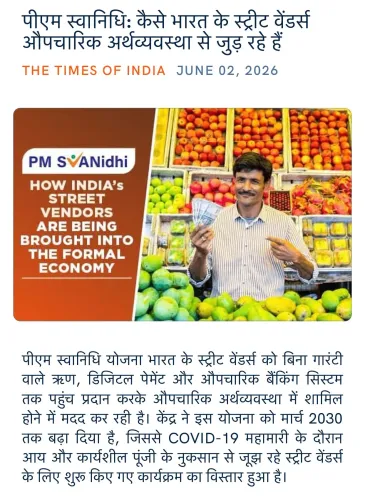
The scheme links vendors to formal banking, UPI, and credit histories, reducing dependence on informal moneylenders.
Kishan Reddy credited the scheme's scale to the leadership of PM Narendra Modi .
Union Coal and Mines Minister G. Kishan Reddy on Monday, 1 June 2026 marked the sixth anniversary of PM SVANidhi, highlighting that the scheme has extended over 112 lakh collateral-free loans worth more than ₹17,800 crore to street vendors across India since its launch.
Context
PM Street Vendor's AtmaNirbhar Nidhi (PM SVANidhi) was launched on 1 June 2020 as part of the Atmanirbhar Bharat package to provide micro-credit relief to street vendors whose livelihoods were disrupted by COVID-19 lockdowns. The scheme offered collateral-free working capital loans, initially capped at ₹10,000, with repayment-linked incentives and an emphasis on digital transactions. Over six years, the programme has been expanded with higher loan ceilings and deeper integration with digital payment infrastructure.
Reddy stated in his post that the scheme has 'transformed the lives of millions of street vendors by bringing them into the ambit of formal banking and digital finance,' crediting the initiative to the leadership of Prime Minister Narendra Modi.
Policy Backdrop
PM SVANidhi sits within a broader government push to formalise the informal urban economy — linking vendors to Jan Dhan accounts, UPI payments, and credit histories that can support future borrowing. The scheme's design rewards digital repayment with cashback incentives, nudging beneficiaries toward sustained participation in the formal financial system.
According to the figures cited by Reddy, vendors facilitated 841 crore digital transactions worth nearly ₹9 lakh crore — a figure that underscores how deeply the programme has penetrated everyday commerce at the street level. The scheme has been administered through urban local bodies and lending institutions, with the Ministry of Housing and Urban Affairs as the nodal ministry.
Stakeholders and Impact
Reddy noted that nearly 46% of beneficiaries are women and 70% belong to marginalised communities, positioning PM SVANidhi as an instrument of social equity alongside financial inclusion. More than 75 lakh street vendors have availed loans under the scheme, according to the post.
For street vendors — a segment historically excluded from formal credit — access to collateral-free loans reduces dependence on informal moneylenders who typically charge significantly higher interest rates. Repayment performance and the share of vendors graduating to higher loan tranches remain key indicators of the scheme's long-term effectiveness.
What's Next
With the scheme completing six years, attention will turn to whether fresh disbursement targets or expanded loan ceilings are announced in the next Union Budget or through urban affairs ministry updates. Analysts tracking urban poverty will watch repayment data and the proportion of vendors accessing the scheme's higher loan tiers as indicators of sustained financial integration.
The anniversary messaging from a senior Cabinet minister signals that PM SVANidhi will remain a visible plank of the government's welfare and formalisation narrative heading into the budget cycle.
Point of View
The BJP signals that the scheme's political equity extends well beyond its administrative home. The emphasis on women and marginalised-community beneficiary shares — 46% and 70% respectively — is calibrated to reinforce the government's social-inclusion credentials. Whether the headline numbers translate into durable financial mobility for vendors will depend on repayment data and uptake of higher loan tranches, metrics the government has so far been selective in publicising.
NationPress
15 Oct 2026
Frequently Asked Questions
What is PM SVANidhi scheme?
PM SVANidhi, or PM Street Vendor's AtmaNirbhar Nidhi, is a government scheme launched on 1 June 2020 that provides collateral-free micro-credit loans to street vendors, helping them access formal banking and digital payments.
How many street vendors have benefited from PM SVANidhi?
According to Union Minister G. Kishan Reddy's post marking the scheme's sixth anniversary, over 75 lakh street vendors have availed more than 112 lakh loans worth over ₹17,800 crore under PM SVANidhi.
When was PM SVANidhi launched?
PM SVANidhi was launched on 1 June 2020 as part of the Atmanirbhar Bharat relief package to support street vendors affected by COVID-19 lockdowns.
What share of PM SVANidhi beneficiaries are women?
Nearly 46% of PM SVANidhi beneficiaries are women, according to figures cited by Union Minister G. Kishan Reddy on the scheme's sixth anniversary.
What is the digital transaction record under PM SVANidhi?
Street vendors under PM SVANidhi have collectively conducted 841 crore digital transactions worth nearly ₹9 lakh crore, reflecting the scheme's role in expanding digital payment adoption among informal workers.