Kishan Reddy Reviews Coal Dispatch with SECR, ECL and MCL
Synopsis
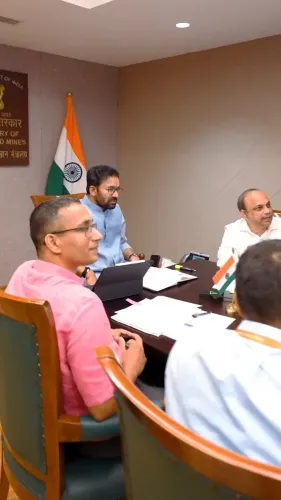
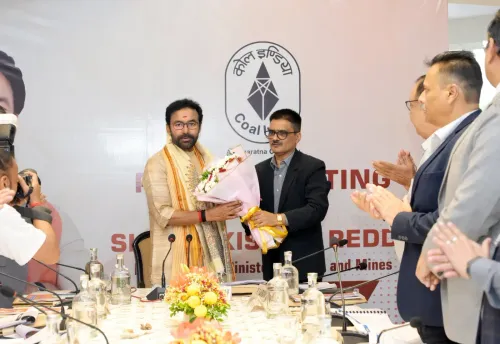
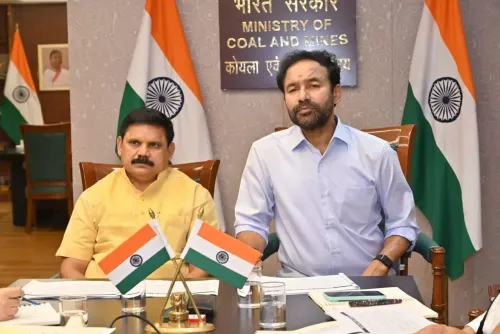
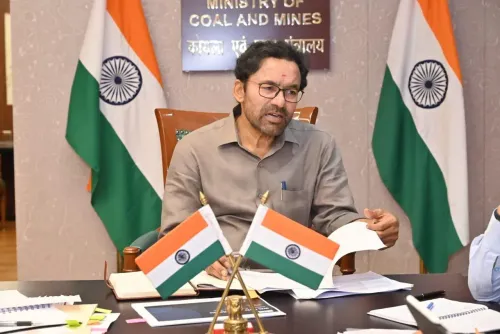
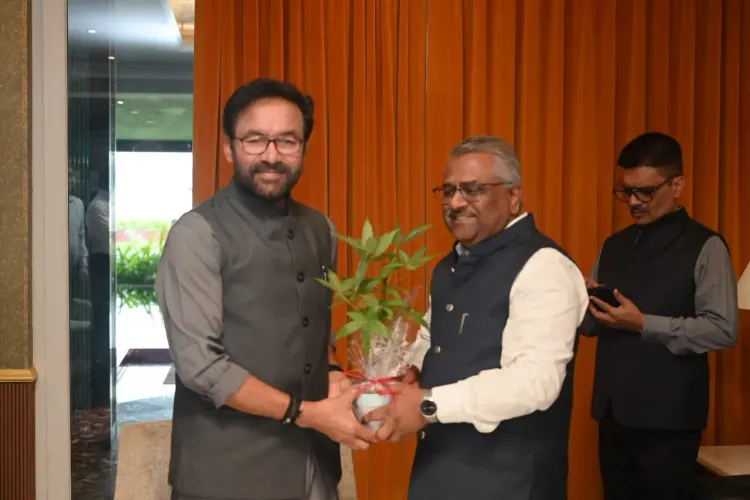
Union Coal and Mines Minister G. Kishan Reddy held a coordination meeting with South East Central Railway officials on November 3, 2026, to review coal dispatch from Eastern Coalfields Limited and Mahanadi Coalfields Limited, reinforcing the government's focus on logistics efficiency for India's energy security.
Key Takeaways
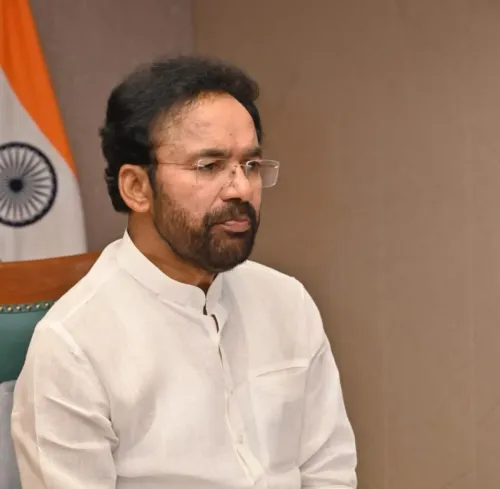
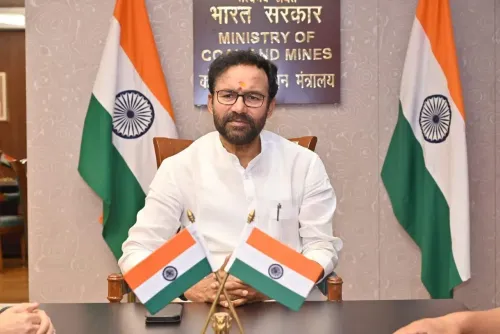
Kishan Reddy , Union Minister of Coal and Mines, met SECR officials on November 3, 2026 to review coal transportation operations.
The review covered dispatch and supply from Eastern Coalfields Limited (ECL) — operating in West Bengal and Jharkhand — and Mahanadi Coalfields Limited (MCL) in Odisha.
South East Central Railway , headquartered in Bilaspur , handles major coal freight from central and eastern mining regions.
The meeting focused on operational aspects including seamless, timely, and efficient coal transportation to meet national energy demand.
Inter-ministerial coal-rail coordination has been a standing policy practice since the 2014-15 domestic production push, aimed at reducing thermal coal import dependence.
Quarterly Coal India dispatch data and rail capacity augmentation announcements are the key metrics to watch for follow-through.
Coal moves nations — and right now, keeping India's thermal power stations fed depends on how efficiently trains haul millions of tonnes out of mines in Odisha, Jharkhand, and West Bengal. Union Coal and Mines Minister G. Kishan Reddy met officials of the South East Central Railway (SECR) on Tuesday, November 3, 2026, to review coal dispatch and supply operations from two of Coal India's biggest subsidiaries: Eastern Coalfields Limited (ECL) and Mahanadi Coalfields Limited (MCL).
What the minister's SECR sit-down covered
The discussions zeroed in on 'key operational aspects to ensure seamless, timely and efficient transportation of coal,' in the minister's own words. That phrase carries real freight — literally. Evacuation bottlenecks at pitheads, wagon availability, loading turnaround times, and last-mile rail connectivity are the chronic pressure points that separate a mine's production target from what actually reaches a power plant. Pulling SECR officials into the same room as the ministry signals that logistics coordination, not just output numbers, is under active ministerial watch.
Why ECL and MCL are central to India's power supply chain
Eastern Coalfields Limited, which operates mines across West Bengal and Jharkhand, and Mahanadi Coalfields Limited, which runs major opencast operations in Odisha, together represent a substantial share of India's domestic coal output. Both subsidiaries move their product predominantly by rail, making SECR — headquartered in Bilaspur and responsible for high-density coal freight corridors through central and eastern India — a critical link in the chain.
The Ministry of Coal has held periodic coordination meetings with Railways and Coal India subsidiaries for over a decade, a practice that intensified after the 2014-15 push to scale domestic production and reduce costly import dependence. Rail infrastructure augmentation and coal linkage rationalisation measures from 2015 to 2017 specifically targeted evacuation improvements from ECL and MCL catchment areas — groundwork that today's operational reviews build upon.
The bigger picture: import bills and power security
India's thermal power generators remain acutely sensitive to any supply-chain snag. A delay at the pit-head cascades quickly into depleted stockpiles at power stations and, in peak demand seasons, into load-shedding. Successive governments have treated inter-ministerial coal-rail coordination not as bureaucratic housekeeping but as an energy-security imperative. Kishan Reddy's direct engagement with railway zone officials underlines that the current administration views logistics efficiency — not just mining output — as a front-line policy lever.
Watch for Coal India's quarterly dispatch data releases and any follow-up announcements on rail capacity augmentation for eastern and central coalfields corridors as indicators of whether today's review translates into measurable movement on the ground.
If the trains run on time, the lights stay on — and that remains the minister's most visible report card.
Point of View
The ministry is signalling that evacuation efficiency — not just mine production numbers — will be a performance benchmark. This fits a broader arc of Coal India capacity expansion colliding with chronic rail bottleneck constraints, where inter-ministerial coordination meetings have historically preceded targeted infrastructure investments. The real test will be whether this review produces specific operational commitments or remains a consultative exercise.
NationPress
3 Nov 2026
Frequently Asked Questions
What was the purpose of G. Kishan Reddy's meeting with SECR officials?
The meeting was held to review coal dispatch and supply from Eastern Coalfields Limited and Mahanadi Coalfields Limited, with discussions focused on ensuring seamless, timely, and efficient transportation of coal to meet India's energy requirements.
What is South East Central Railway's role in coal transportation?
South East Central Railway, headquartered in Bilaspur, is a key Indian Railways zone responsible for handling high-density coal freight from central and eastern mining regions, linking major collieries to power stations across the country.
Which Coal India subsidiaries were discussed in the SECR review?
The review covered Eastern Coalfields Limited, which operates mines in West Bengal and Jharkhand, and Mahanadi Coalfields Limited, which runs large opencast mines in Odisha.
Why does coal rail logistics matter for India's power supply?
India's thermal power plants depend on uninterrupted coal supply delivered by rail. Evacuation bottlenecks at mines directly reduce coal stocks at power stations, which can lead to load-shedding, making efficient rail transportation a critical energy-security issue.
Has the Coal Ministry held such logistics reviews before?
Yes. The Ministry of Coal has conducted periodic coordination meetings with Railways and Coal India subsidiaries for over a decade, with the practice intensifying after the 2014-15 domestic production expansion drive and related rail linkage rationalisation measures.