Manohar Lal pushes Haryana ULBs to fast-track Swachh Bharat Mission 2.0
Synopsis
Union Minister Manohar Lal has put Haryana's urban bodies on a deadline-driven accountability track — a comprehensive toilet survey by 30 June, compliance with 166 Swachh Bharat benchmarks, and a directive to link urban projects to ULB revenue generation. It is a rare instance of a Union Minister directly chairing a state-level ULB review, signalling the Centre's impatience with ground-level execution gaps.
Key Takeaways
Union Minister Manohar Lal chaired a state-level review of Haryana's Urban Local Bodies on 1 June in Chandigarh .
ULBs directed to implement Swachh Bharat Mission 2.0 in mission mode, aligned with 166 prescribed benchmarks .
All ULBs must complete a survey of private, community, and public toilets by 30 June .
Review covered solid waste management, STPs, bio-CNG plants, multi-level parking , and drain cleaning, among other initiatives.
Officials also directed to develop projects that strengthen the revenue-generating capacity of Urban Local Bodies.
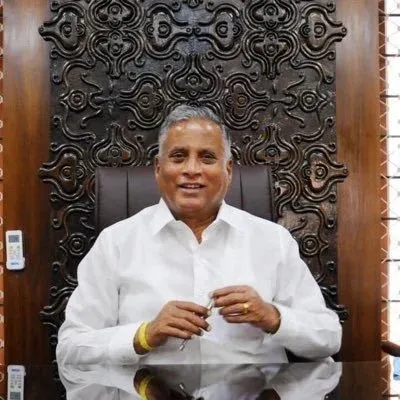
State Urban Local Bodies Minister Vipul Goel was present at the meeting.
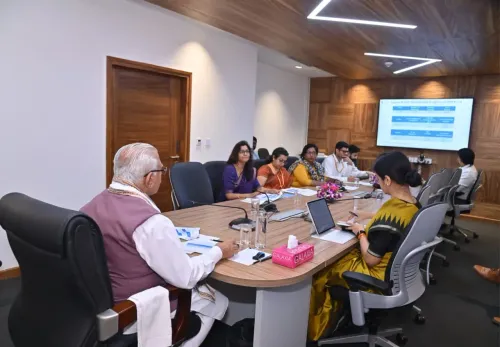
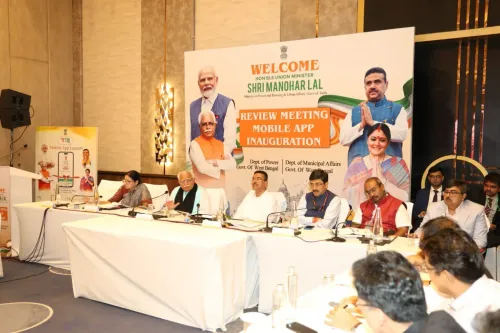
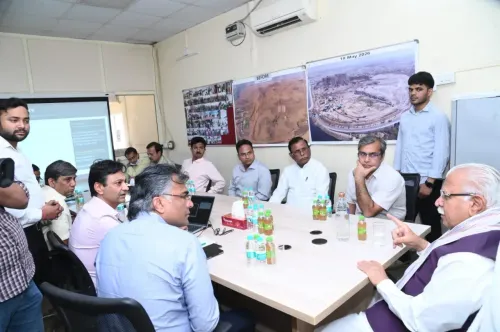
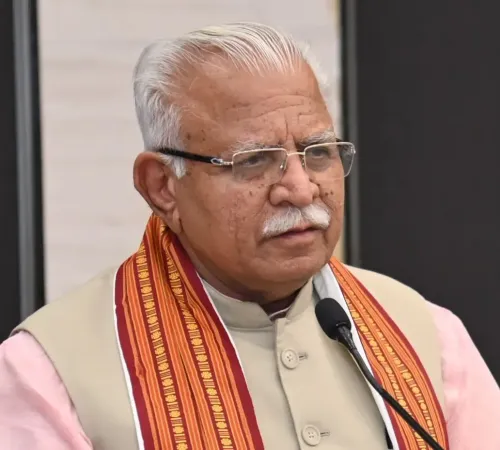
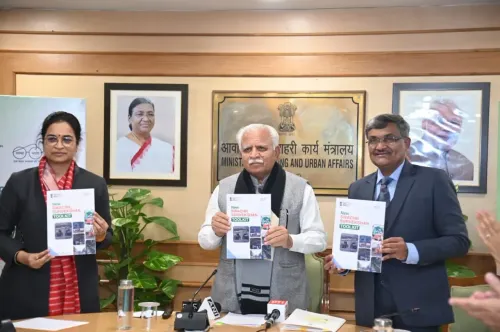
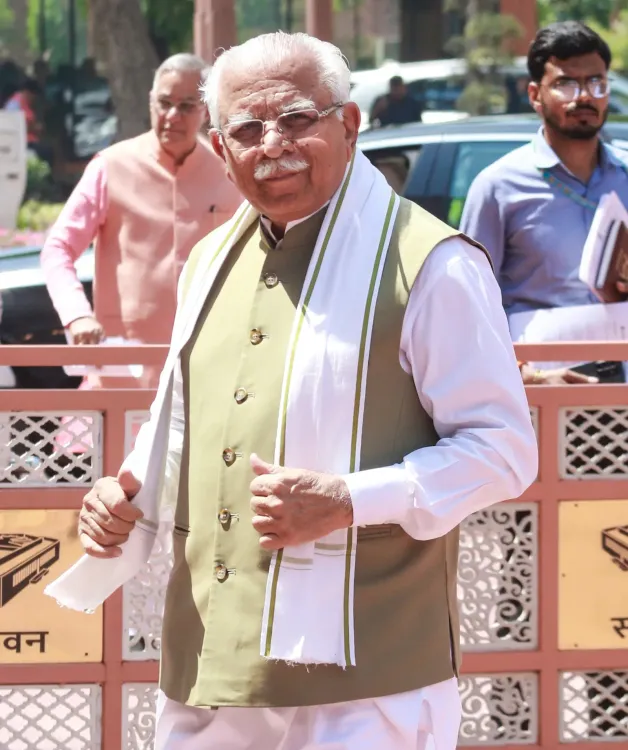
Union Minister for Housing and Urban Affairs Manohar Lal on Monday, 1 June directed officers of Urban Local Bodies (ULBs) across Haryana to accelerate implementation of Swachh Bharat Mission 2.0, urging measurable, on-the-ground outcomes aligned with Prime Minister Narendra Modi's vision of a clean and developed India. The directions came during a state-level review meeting held in Chandigarh, chaired by the Union Minister.
Key Directions from the Review Meeting
Manohar Lal called on municipal commissioners and district municipal commissioners to execute projects in mission mode, establishing clear timelines and maintaining high execution standards. He stressed that cities must become models of efficient urban governance and sustainable development. State Urban Local Bodies Minister Vipul Goel was also present at the meeting.
'The cities must emerge as models of efficient urban governance and sustainable development, setting an example for other states across the country,' the Union Minister said.
Swachh Bharat Mission 2.0: The 166-Benchmark Framework
The meeting covered a broad spectrum of urban sanitation and development initiatives, including solid waste management, sewerage systems, drain cleaning, toilet infrastructure, door-to-door waste collection and segregation, sewage treatment plants (STPs), legacy waste management, multi-level parking facilities, and bio-CNG plants. Manohar Lal directed ULBs to align their work with the 166 benchmarks prescribed under Swachh Bharat Mission 2.0, framing the exercise as one of healthy inter-city competition.
Toilet Survey Deadline Set for 30 June
In a specific operational directive, the Union Minister instructed all ULBs to complete a comprehensive survey of private, community, and public toilets by 30 June. He made clear that no household, market, park, or public place should lack adequate sanitation access. Third-party surveys were also recommended where necessary to ensure accuracy of assessment and planning.
Revenue Generation Linked to Urban Development
Notably, Manohar Lal also directed officials to design development projects that not only improve public amenities and civic services but also strengthen the revenue-generating capacity of Urban Local Bodies — a signal that urban governance reform must be financially self-sustaining, not just infrastructure-driven. This comes amid broader Centre-level efforts to make ULBs more fiscally independent under successive urban mission frameworks.
With the 30 June toilet survey deadline now in place and the 166-benchmark compliance framework activated, Haryana's ULBs face a structured accountability push that will be closely watched as a potential model for other states.
Point of View
Yet the need for this kind of top-down push suggests compliance has been uneven. The directive to link urban projects to ULB revenue generation is the more consequential signal: it acknowledges that cleanliness missions built on central transfers alone are not durable. Whether ULBs can actually move from grant-dependence to fiscal self-sufficiency in the current property-tax and user-charge environment remains the harder, unanswered question.
NationPress
16 Oct 2026
Frequently Asked Questions
What did Union Minister Manohar Lal direct Haryana's ULBs to do?
Manohar Lal directed Urban Local Bodies across Haryana to implement Swachh Bharat Mission 2.0 in mission mode, adhere to 166 prescribed benchmarks, and complete a comprehensive toilet survey by 30 June. He also asked officials to set clear project timelines and link urban development to ULB revenue generation.
What is the 30 June deadline about?
All Urban Local Bodies in Haryana must complete a survey of private, community, and public toilets by 30 June. The Union Minister stated that no household, market, park, or public place should lack adequate sanitation access, and third-party surveys may also be conducted for accuracy.
What is Swachh Bharat Mission 2.0?
Swachh Bharat Mission 2.0 is the second phase of India's national cleanliness drive, focused on sustainable solid waste management, sewerage, sanitation infrastructure, and urban hygiene. It prescribes 166 benchmarks against which cities are assessed and ranked.
Who else attended the Chandigarh review meeting?
State Urban Local Bodies Minister Vipul Goel was present alongside District Municipal Commissioners and Municipal Commissioners from across Haryana's Urban Local Bodies Department.
Why is the Centre pushing ULBs on revenue generation?
Manohar Lal directed officials to design projects that improve civic services and simultaneously strengthen ULBs' own revenue capacity. This reflects a broader policy push to reduce urban bodies' dependence on central transfers and make them fiscally self-sustaining over time.