PM Modi Celebrates Jan Vishwas Bill's Passage as a Leap Towards Trust-Based Governance
Synopsis
Prime Minister Narendra Modi has hailed the passage of the Jan Vishwas Bill, marking a significant advancement in India's governance. The legislation aims to simplify regulations, enhance citizen empowerment, and promote a trust-based environment for both living and business.
Key Takeaways
Trust-Based Governance: The Bill aims to establish a framework that empowers citizens.
Regulatory Reform: It decriminalizes 717 provisions to promote ease of doing business.
Modern Penalties: Imprisonment replaced by civil penalties for minor offences.
Wider Impact: Benefits ordinary citizens and MSMEs significantly.
Consultative Process: Drafting involved insights from various stakeholders.
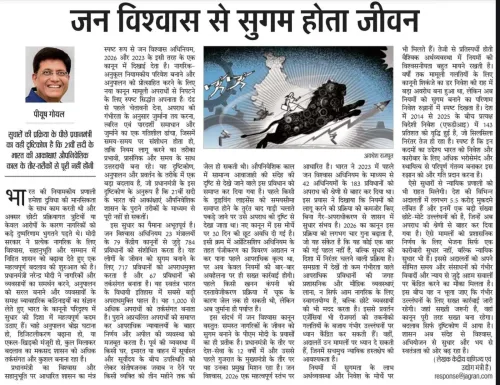
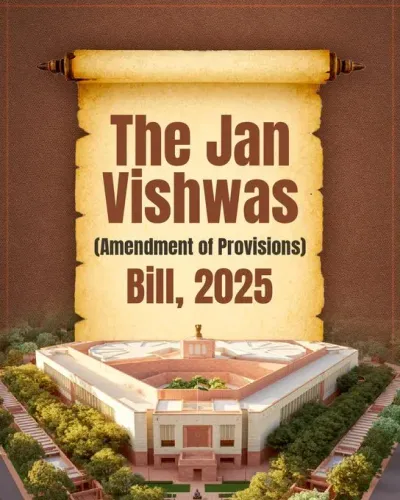
New Delhi, April 2 (NationPress) Prime Minister Narendra Modi expressed his enthusiasm on Thursday regarding the enactment of the Jan Vishwas (Amendment of Provisions) Bill, 2026. He characterized this development as a pivotal advancement towards establishing a trust-based governance framework, which is expected to substantially improve ease of living and ease of doing business in India.
In a message shared on X, the Prime Minister stated: “This is a significant enhancement to ‘Ease of Living’ and ‘Ease of Doing Business’… I am thrilled that Parliament has approved the Jan Vishwas (Amendment of Provisions) Bill 2026. This Bill reinforces a trust-oriented framework that empowers our citizens. It signifies the termination of outdated rules and regulations. Furthermore, it guarantees swift case resolution, alleviates the litigation load through decriminalization, and is noteworthy for its consultative drafting process. I commend all contributors who provided insights during the drafting phase and supported the Bill in Parliament.”
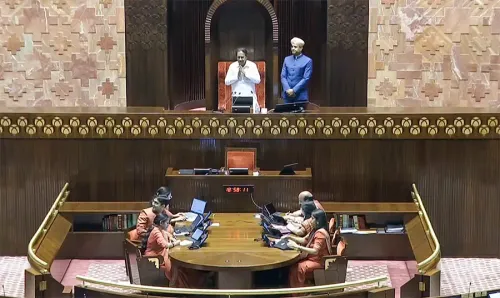
The Rajya Sabha passed the Bill through a voice vote on Thursday, just a day after it was approved by the Lok Sabha.
This legislation aims to amend 79 central Acts overseen by 23 Ministries, modifying a total of 784 provisions.
Of these, 717 provisions are being decriminalized to facilitate ease of doing business, while 67 provisions have been revised to enhance ease of living.
Additionally, the Bill streamlines over 1,000 offences by eliminating outdated and unnecessary regulations.
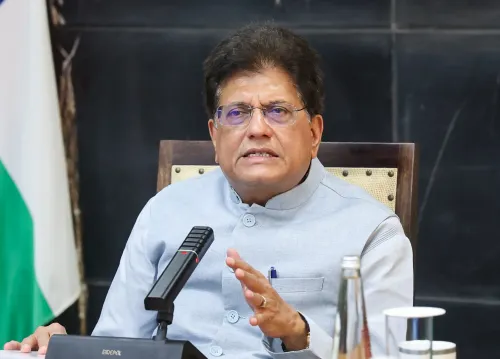
Union Minister Piyush Goyal, during his response to the discussions, indicated that the Bill will particularly benefit ordinary citizens, Micro, Small and Medium Enterprises (MSMEs), and sectors such as animal husbandry.
He further noted that the government has rectified the flaws of the previous version by making penalties more equitable and increasing them where needed.
The Bill substitutes criminal penalties like imprisonment with financial fines, warnings, or improvement notices for numerous minor, technical, and procedural infractions.
For example, specific violations under the Drugs and Cosmetics Act and the National Highways Act, which previously incurred jail sentences, will now solely result in civil penalties.
This legislation is regarded as a substantial regulatory reform that transitions from a colonial-era mindset of excessive punishment to a contemporary, trust-centric system.
It is anticipated to significantly decrease the compliance burden on individuals and businesses while enhancing the overall regulatory landscape.
Point of View
The passage of the Jan Vishwas Bill represents a critical shift in India's governance approach. By emphasizing a trust-based framework and decriminalization of numerous provisions, this legislation aims to alleviate burdens on citizens and businesses alike, signifying a move toward more progressive and responsive governance.
NationPress
2 Oct 2026
Frequently Asked Questions
What is the Jan Vishwas Bill?
The Jan Vishwas Bill is legislation aimed at amending various central Acts to promote a trust-based governance system, enhancing ease of living and doing business in India.
How many provisions does the Jan Vishwas Bill modify?
The Bill modifies a total of 784 provisions across 79 central Acts administered by 23 Ministries.
What changes does the Bill introduce regarding penalties?
The Bill replaces imprisonment penalties for minor offences with monetary fines, warnings, or improvement notices, thereby modernizing the regulatory framework.
Who will benefit from this Bill?
The Bill is expected to particularly benefit common citizens, Micro, Small and Medium Enterprises (MSMEs), and sectors like animal husbandry.
What is the significance of this legislation?
The Bill is seen as a major regulatory reform, moving away from colonial-era punitive measures towards a more modern, trust-based system that reduces compliance burdens.