CM Mohan Yadav: MP's Ladli Behna Yojana Crosses ₹65,000 Crore
Synopsis
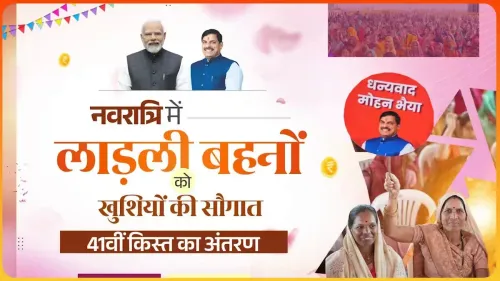
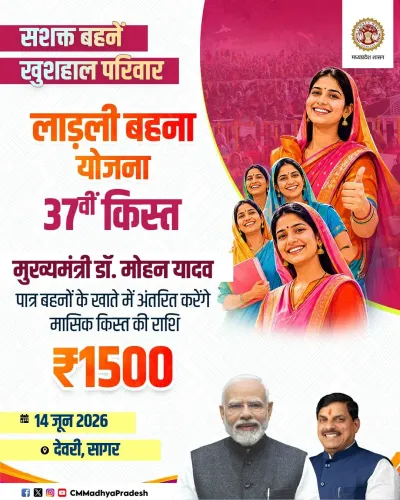
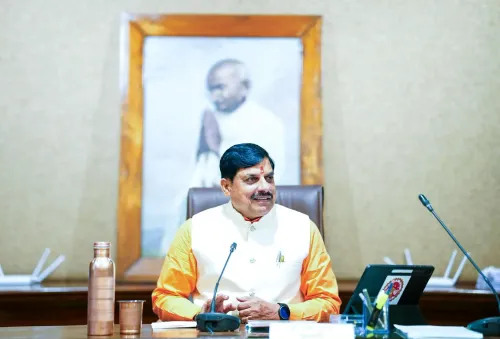
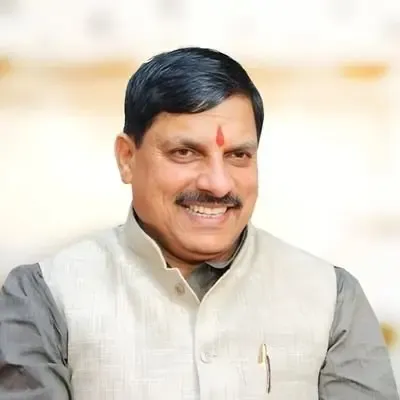
Madhya Pradesh CM Dr. Mohan Yadav announced that the Ladli Behna Yojana has crossed ₹65,000 crore in total disbursements, calling the monthly cash transfer a force that 'changes the entire atmosphere' of low-income households — and dismissing critics as those who simply don't need it.
Key Takeaways
Madhya Pradesh CM Dr.
Mohan Yadav announced that the Ladli Behna Yojana has distributed more than ₹65,000 crore in cumulative assistance to women.
The scheme provides ₹1,000 per month to eligible women aged 21–60 from low-income families in Madhya Pradesh .
It was originally launched in 2023 by former CM Shivraj Singh Chouhan and has been sustained under Dr.
Yadav since December 2023 .
CM Yadav argued that the scheme's impact is transformative at the household level, changing the 'entire atmosphere' of the home when funds arrive.
The announcement was made under the #SushasanSamvadMP campaign, framing welfare delivery as accountable governance.
The Ladli Behna model has influenced similar direct-transfer schemes for women in other Indian states.
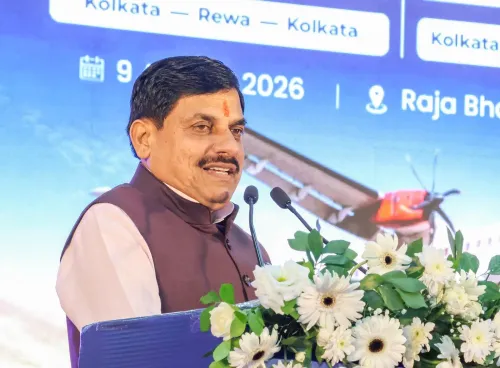
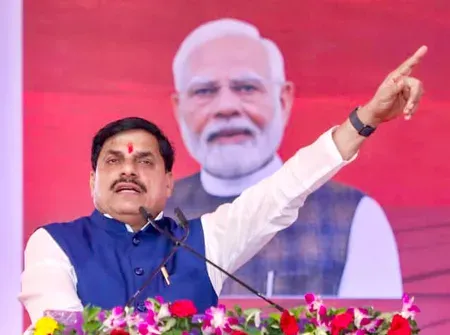
A welfare number that commands attention: Madhya Pradesh Chief Minister Dr. Mohan Yadav declared on Sunday, October 25, 2026, that the state's flagship Ladli Behna Yojana has now disbursed more than ₹65,000 crore in total assistance to women across the state — and in the same breath, reminded his critics that a policy's worth is measured not by those who don't need it, but by those whose lives turn on its arrival.
What ₹65,000 crore looks like at the kitchen table
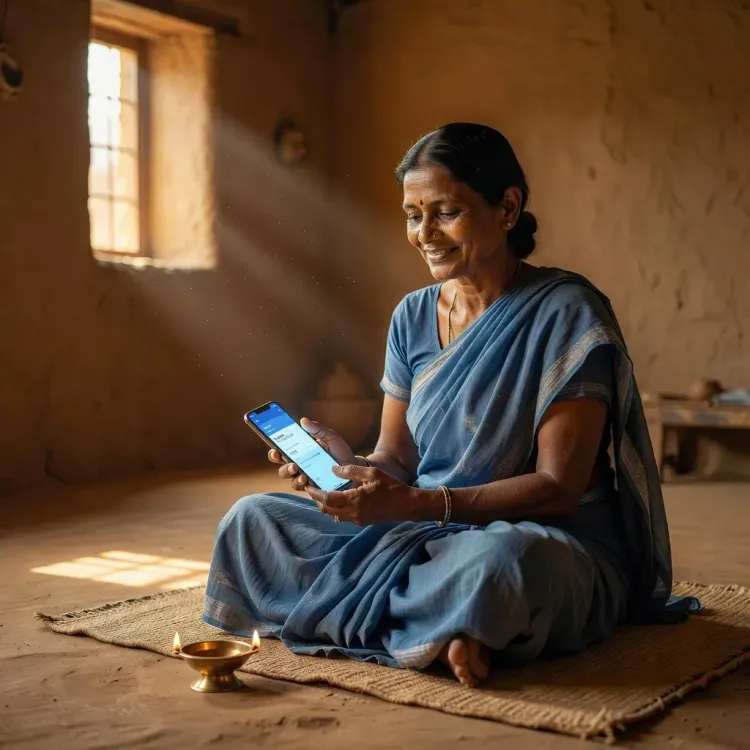
The Chief Minister did not traffic in abstractions. 'जब लाड़ली बहना योजना की राशि ऐसे घर में पहुंचती है, तो पूरे घर का वातावरण बदल जाता है' — 'When the Ladli Behna Yojana amount reaches such a household, the entire atmosphere of the home changes.' That is the argument he is making: direct cash transfer as social transformation, not just a line in a budget.
He was equally direct about the scheme's detractors: 'Those who are capable may not understand its value, but for the families that need it, the impact is enormous.' The remark draws a deliberate line between policy critics — often from urban, economically comfortable vantage points — and the rural, low-income women the scheme targets.
The scheme's arc: from Chouhan's launch to Yadav's milestone
The Ladli Behna Yojana was launched in 2023 by then-Chief Minister Shivraj Singh Chouhan, offering ₹1,000 per month to women aged 21–60 from low-income families in Madhya Pradesh. The scheme quickly became one of the most discussed direct-benefit-transfer programmes in Indian state politics — credited by analysts with significantly energising the BJP's electoral mobilisation among women voters ahead of the 2023 Madhya Pradesh assembly elections.
Dr. Yadav, who succeeded Chouhan as Chief Minister in December 2023, has maintained and amplified the scheme's political and administrative prominence. The ₹65,000-crore cumulative figure — if sustained — reflects consistent monthly disbursements across a large beneficiary base over multiple years, underlining the scheme's institutional staying power beyond the electoral cycle that originally spotlight it.
A template that other states are watching
Madhya Pradesh's model sits within a broader national conversation about state-level direct cash transfers targeted at women. Several other states — governed by parties across the spectrum — have launched or announced comparable schemes, signalling that the political logic of household-level economic support has crossed party lines. The monthly cash in a woman's account, the argument goes, is unreachable by an intermediary and undeniable in its effect.
What the #SushasanSamvadMP hashtag attached to Dr. Yadav's post signals is deliberate: this is part of a structured 'good governance dialogue' communication drive, casting the welfare outlay not as political largesse but as accountable, transparent administration.
The question that will define the scheme's next chapter is simple: does the monthly amount go up, and does the coverage expand? State budget season will deliver that answer — and every woman on the beneficiary list will be watching.
Point of View
000-crore announcement is as much a political statement as a welfare milestone — Dr. Yadav is reinforcing the BJP's identity in Madhya Pradesh as the party that delivers tangible, household-level economic relief to women, a narrative that proved electorally decisive in 2023. By framing critics as the 'capable' who lack empathy, he insulates the scheme from elite criticism while deepening its emotional resonance among beneficiaries. The Ladli Behna model has now become a replicable template for state-level direct transfers, and Madhya Pradesh's cumulative figure gives other BJP-ruled states a benchmark to match or exceed. The next pressure point is the monthly transfer amount itself — stagnation at ₹1,000 risks the scheme losing its mobilising energy.
NationPress
25 Oct 2026
Frequently Asked Questions
What is the Ladli Behna Yojana in Madhya Pradesh?
The Ladli Behna Yojana is a Madhya Pradesh government scheme launched in 2023 that provides monthly cash assistance of ₹1,000 to women aged 21–60 from low-income families in the state.
How much money has been disbursed under Ladli Behna Yojana so far?
According to Chief Minister Dr. Mohan Yadav, the scheme has disbursed more than ₹65,000 crore in total to beneficiaries since its launch.
Who started the Ladli Behna Yojana in Madhya Pradesh?
The scheme was launched in 2023 by then-Chief Minister Shivraj Singh Chouhan and has been continued and promoted by his successor Dr. Mohan Yadav.
Who is eligible for the Ladli Behna Yojana?
Women aged 21 to 60 years from low-income families in Madhya Pradesh are eligible for the monthly cash transfer under the scheme.
What is SushasanSamvadMP?
'SushasanSamvadMP' is a BJP Madhya Pradesh government communication initiative meaning 'Good Governance Dialogue MP', used to highlight welfare and administrative achievements of the state government.