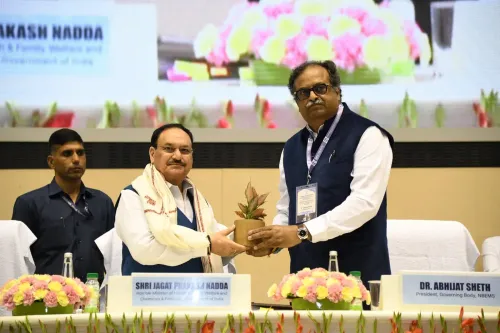
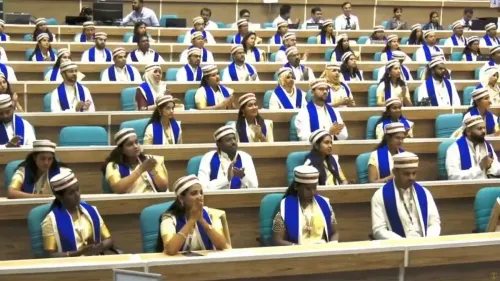
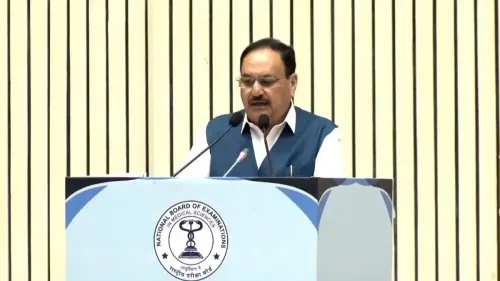
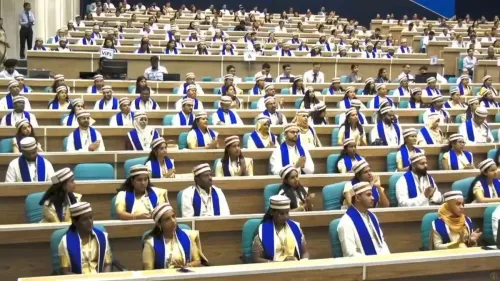
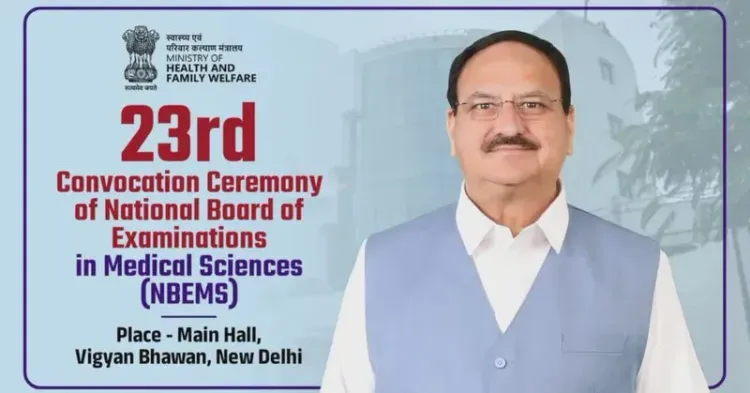
Health Minister Nadda addresses NBEMS 23rd Convocation
Synopsis
Union Health Minister J. P. Nadda presided over the 23rd Convocation of the National Board of Examinations in Medical Sciences at Vigyan Bhawan, New Delhi, on 23 May 2026, conferring DNB and DrNB qualifications on a new cohort of postgraduate medical specialists amid ongoing regulatory reforms to expand India's specialist workforce.
Key Takeaways
Union Health Minister J.
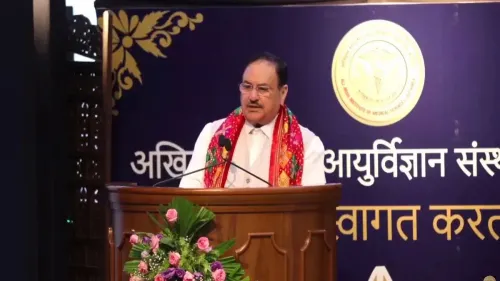
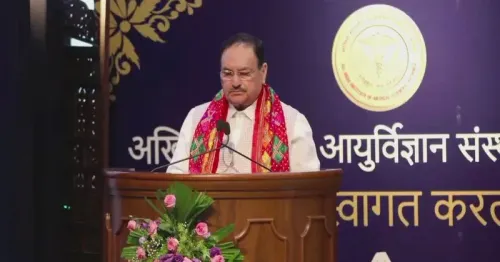
Nadda addressed the 23rd NBEMS Convocation Ceremony at Vigyan Bhawan, New Delhi on 23 May 2026 .
NBEMS is an autonomous body under the Ministry of Health and Family Welfare, conducting postgraduate medical exams including DNB and DrNB qualifications.
The board was established in 1975 to provide a uniform postgraduate specialist certification pathway outside the university system.
The National Medical Commission Act, 2019 introduced new quality benchmarks, and DNB seats were expanded in 2020 to address specialist shortages.
The convocation reinforces the policy drive to increase India's supply of trained specialists while maintaining rigorous exit standards.
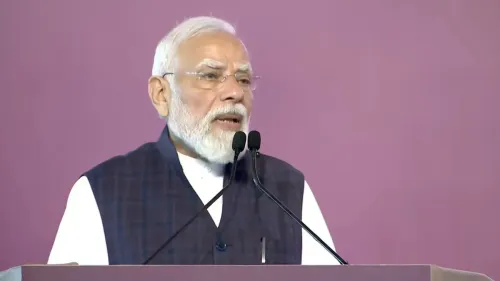
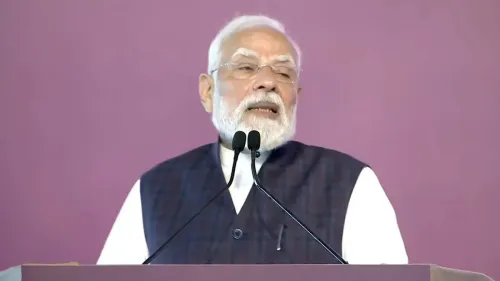
Union Health Minister J. P. Nadda addressed the 23rd Convocation Ceremony of the National Board of Examinations in Medical Sciences (NBEMS) at Vigyan Bhawan, New Delhi, on Saturday, 23 May 2026, formally recognising a new cohort of postgraduate medical specialists who have cleared the board's rigorous qualifying examinations.
Context
The NBEMS convocation marks the formal conferral of Diplomate of National Board (DNB) and DrNB qualifications on candidates who have completed postgraduate specialist training outside the conventional university system. Vigyan Bhawan, New Delhi's premier government convention centre, has historically hosted such high-profile national ceremonies, lending institutional weight to the occasion.
Nadda's presence as the presiding minister underscores the Ministry of Health and Family Welfare's direct oversight of NBEMS, which functions as an autonomous body under the ministry. The convocation serves as both a recognition of individual achievement and a public affirmation of the board's standards.
Policy Backdrop
The National Board of Examinations was established in 1975 to conduct uniform postgraduate medical assessments outside the university framework, creating an alternative pathway for specialist certification. The passage of the National Medical Commission Act, 2019 replaced the older Medical Council of India and introduced fresh quality benchmarks for medical education and examinations across the country.
In 2020, the Ministry of Health expanded the number of DNB seats and aligned NBEMS qualifications more closely with National Medical Commission (NMC) regulations, a move aimed at addressing the persistent shortage of trained specialists in India. The current convocation sits within this broader arc of incremental regulatory reform designed to increase specialist supply without lowering exit standards.
Stakeholders and Impact
The primary beneficiaries of the convocation are postgraduate medical students who have successfully completed their DNB or DrNB programmes, gaining formal credentials that are recognised for specialist practice across healthcare institutions in India. Hospitals and healthcare systems — particularly those in underserved regions that rely on DNB-qualified doctors — stand to benefit from each graduating cohort expanding the available specialist workforce.
For the broader medical education ecosystem, the ceremony reinforces the equivalence of NBEMS qualifications with those awarded by NMC-regulated medical colleges, a parity that has been central to policy debates over the past decade. Specialist doctors, teaching hospitals, and accreditation bodies all have a stake in the board maintaining credible and consistent examination standards.
What's Next
Observers of health policy will watch for any announcements regarding the further integration of NBEMS examinations with NMC exit-exam frameworks, as well as potential expansion of postgraduate seats to meet growing demand. Parliamentary discussions on the health ministry's budget allocation for medical education infrastructure are also expected to shape the next phase of NBEMS's growth.
The convocation signals continued government emphasis on formal specialist qualification as a cornerstone of India's healthcare capacity-building strategy, with the ministry's regulatory agenda likely to keep NBEMS at the centre of postgraduate medical education policy in the months ahead.
Point of View
Signalling that the government views specialist credential-conferral as a matter of national health policy rather than purely academic ceremony. It fits a longer pattern in which the Ministry of Health has used NBEMS as a lever to expand the specialist pipeline without overhauling NMC-regulated college infrastructure. The alignment of DNB qualifications with NMC norms since 2019 has made the board's convocations politically relevant, as each graduating cohort directly addresses the specialist shortage that health budget debates repeatedly flag. The minister's presence reinforces institutional continuity on medical education reform ahead of expected parliamentary scrutiny of health ministry expenditure.
NationPress
7 Oct 2026
Frequently Asked Questions
What is NBEMS and what qualifications does it award?
The National Board of Examinations in Medical Sciences (NBEMS) is an autonomous body under India's Ministry of Health and Family Welfare that conducts postgraduate medical examinations and awards DNB (Diplomate of National Board) and DrNB qualifications to specialist doctors trained outside the conventional university system.
What happened at the 23rd NBEMS Convocation Ceremony?
Union Health Minister J. P. Nadda addressed the 23rd Convocation Ceremony of NBEMS at Vigyan Bhawan, New Delhi, on 23 May 2026, formally recognising a new cohort of postgraduate medical specialists who cleared the board's qualifying examinations.
Where was the NBEMS 23rd Convocation held?
The ceremony was held at Vigyan Bhawan, New Delhi, a premier government convention centre used for major national-level official events and ceremonies.
How does NBEMS relate to the National Medical Commission?
Following the National Medical Commission Act of 2019, NBEMS qualifications were aligned with NMC regulations, and DNB seats were expanded in 2020 to bring the board's standards in line with the new regulatory framework and address India's specialist shortage.
Why is the NBEMS convocation significant for Indian healthcare?
Each NBEMS convocation adds certified specialist doctors to India's healthcare workforce, directly addressing the shortage of trained specialists, particularly in hospitals and regions that rely on DNB-qualified doctors for specialist care.