NCW submits Muslim women's rights report, urges legal reforms
Synopsis
The NCW has formally handed three central ministries a sweeping reform blueprint for Muslim women's rights — covering marriage, divorce, inheritance, and the little-known 'Paaro' system. The real question now is whether the recommendations translate into legislation or quietly gather dust, as similar reports have in the past.
Key Takeaways
The National Commission for Women (NCW) submitted its Muslim women's rights report to three ministries on 27 May 2025 .
The report stems from a national consultation held on 1 August last year in New Delhi .
Key recommendations include codification of Muslim personal law , mandatory marriage registration, and prohibition of child marriage.
The NCW flagged the exploitative 'Paaro' system and called for immediate intervention and rehabilitation support.
Legislations reviewed include the Muslim Personal Law (Shariat) Application Act, 1937 and the Muslim Women (Protection of Rights on Marriage) Act, 2019 .
The report urges gender-sensitive dispute resolution mechanisms with accountability to civil courts .
The National Commission for Women (NCW) on 27 May 2025 submitted a comprehensive recommendatory report on the rights of Muslim women in India to the Ministry of Home Affairs, the Ministry of Women and Child Development, and the Ministry of Minority Affairs, calling for concrete legal and institutional reforms to strengthen access to justice and socio-economic empowerment.
Background and Consultation Process
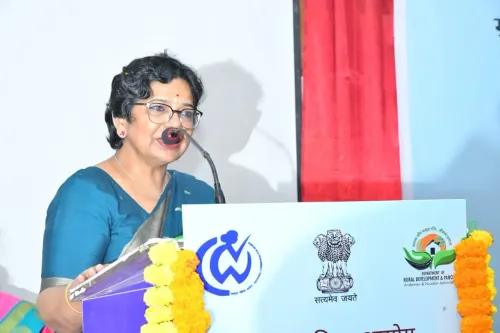
The report is the outcome of an extensive national-level consultation organised by the NCW in New Delhi on 1 August last year. The gathering brought together the Union Minority Affairs Minister, senior government officials, legal experts, academicians, women's rights groups, religious scholars, social activists, and civil society representatives from across the country.
According to the Commission, the consultation examined the existing legal framework governing Muslim women, identified implementation gaps, and explored reform pathways aimed at ensuring stronger constitutional safeguards and broader socio-economic empowerment.
Key Issues Identified
The NCW noted that while constitutional protections and recent legislative interventions have advanced women's rights, significant scope remains for improving legal awareness, strengthening access to justice, and bringing greater clarity through progressive codification of personal laws.
The report placed particular emphasis on marriage, divorce, maintenance, child custody, and inheritance. Thematic sessions during the consultation also covered Waqf reforms, property and inheritance rights, and challenges arising from existing marriage and divorce practices.
The deliberations reviewed key legislations including the Muslim Personal Law (Shariat) Application Act, 1937, the Dissolution of Muslim Marriages Act, 1939, the Muslim Women (Protection of Rights on Divorce) Act, 1986, and the Muslim Women (Protection of Rights on Marriage) Act, 2019, alongside relevant court rulings.
Core Recommendations
Among its principal recommendations, the NCW called for a comprehensive law codifying Muslim personal law in matters of marriage, divorce, maintenance, custody, and inheritance. It also proposed mandatory marriage registration with provisions ensuring free and informed consent, prohibition of child marriage, and regulation of divorce practices to guarantee fairness and equal legal remedies.
The report further recommended strengthening financial safeguards for women during and after marriage, including protection of mehr (dower) and matrimonial assets. It advocated child-centric custody frameworks and simplified enforcement of inheritance rights.
Institutional and Support Mechanisms
The Commission called for gender-sensitive dispute resolution mechanisms with adequate representation of women and accountability to civil courts, alongside expansion of legal aid services, helplines, and targeted awareness campaigns.
Notably, the report flagged the need for immediate intervention against exploitative practices such as the 'Paaro' system, coupled with rehabilitation support, identity recognition, and livelihood assistance for affected women.
What Happens Next
The NCW has urged the concerned ministries and stakeholders to take timely steps toward effective implementation of its recommendations. With the report now formally in the hands of three key ministries, the focus shifts to whether legislative or executive action follows — and on what timeline.
Point of View
But for who it was submitted to — three ministries simultaneously signals an intent to push these reforms across multiple policy levers. Yet India has a long history of commission reports that produce headlines without producing legislation; the Muslim Women (Protection of Rights on Divorce) Act, 1986 itself took decades of litigation and Supreme Court intervention to evolve. The codification proposal is the most politically sensitive element here: personal law reform in India has historically stalled at the intersection of minority rights, religious autonomy, and electoral calculus. Whether this report becomes a policy foundation or a footnote will depend on the government's appetite for reform in a pre-election environment.
NationPress
23 Sept 2026
Frequently Asked Questions
What is the NCW report on Muslim women's rights about?
The National Commission for Women submitted a recommendatory report on 27 May 2025 urging legal reforms to strengthen Muslim women's rights in India. It covers marriage, divorce, maintenance, child custody, inheritance, and exploitative practices like the 'Paaro' system.
Which ministries received the NCW report?
The report was submitted to the Ministry of Home Affairs, the Ministry of Women and Child Development, and the Ministry of Minority Affairs. The NCW has urged all three to take timely steps toward implementing the recommendations.
What are the key recommendations in the NCW report?
The NCW recommended codifying Muslim personal law, making marriage registration mandatory, prohibiting child marriage, protecting mehr and matrimonial assets, establishing gender-sensitive dispute resolution bodies, and expanding legal aid services for Muslim women.
What is the 'Paaro' system flagged in the report?
The 'Paaro' system is described in the report as an exploitative practice affecting Muslim women. The NCW called for immediate intervention against it, along with rehabilitation support, identity recognition, and livelihood assistance for affected women.
What legislation did the NCW review as part of this report?
The Commission reviewed the Muslim Personal Law (Shariat) Application Act, 1937; the Dissolution of Muslim Marriages Act, 1939; the Muslim Women (Protection of Rights on Divorce) Act, 1986; and the Muslim Women (Protection of Rights on Marriage) Act, 2019, along with relevant court rulings.