India opens deuterated compounds plant, sodium cell in Vadodara nuclear push
Synopsis
India quietly crossed a significant nuclear self-reliance threshold on 21 June: a new plant in Vadodara can now produce nuclear-grade sodium domestically for the first time at scale, directly enabling the second stage of the country's three-stage nuclear programme. Pair that with indigenous deuterated compound production and the DAE has removed two critical import dependencies in a single day.
Key Takeaways
Dr Ajit Kumar Mohanty , DAE Secretary, inaugurated both facilities at Heavy Water Board, Vadodara on 21 June .
The Versatile Deuterated Compounds Production Plant (VDPP) will produce high-purity deuterated solvents indigenously for research and strategic use.
The 24 kA Prototype Sodium Cell enables domestic industrial-scale production of nuclear-grade sodium for the first time.
Nuclear-grade sodium is a critical coolant for India's Fast Breeder Reactor Programme — the second stage of India's three-stage nuclear plan.
Both facilities were developed entirely through indigenous research under the AtmaNirbhar Bharat framework.
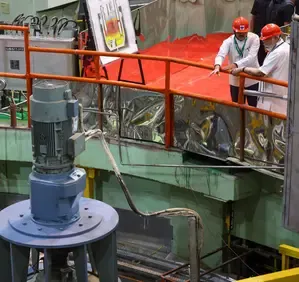
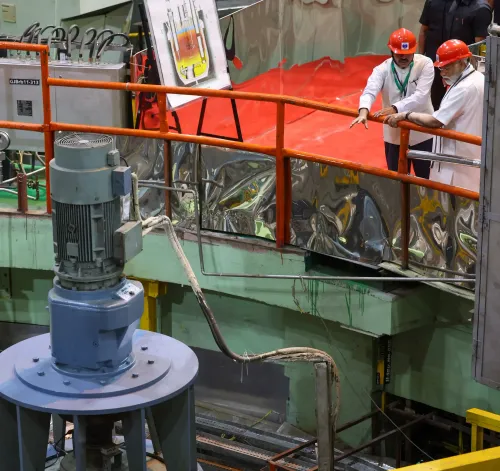
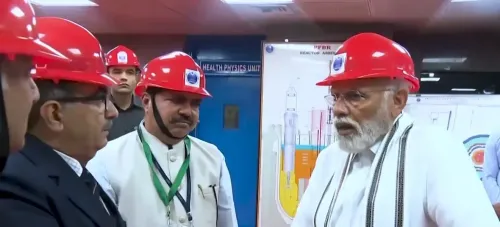
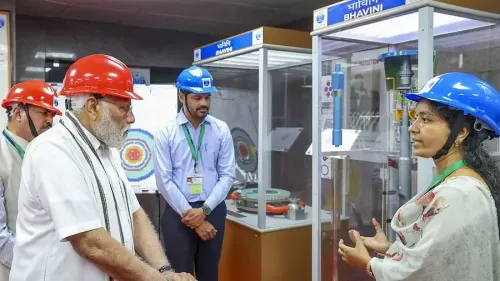
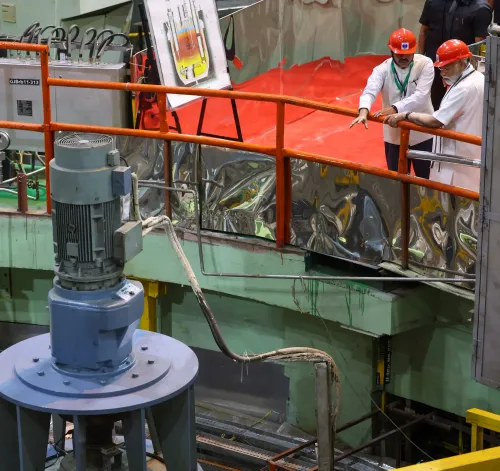
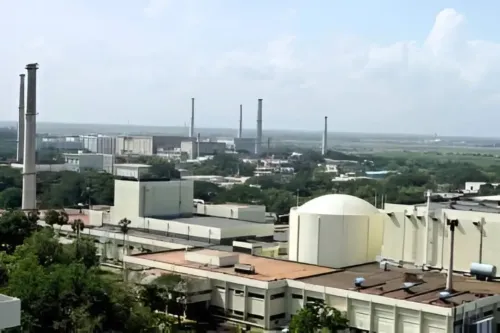
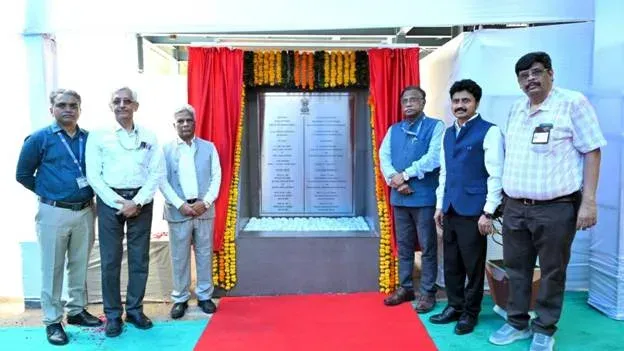
Dr Ajit Kumar Mohanty, Secretary of the Department of Atomic Energy (DAE) and Chairman of the Atomic Energy Commission, on Sunday, 21 June inaugurated the Versatile Deuterated Compounds Production Plant (VDPP) and commissioned the 24 kA Prototype Sodium Cell at the Heavy Water Board facilities in Vadodara. The twin milestones mark a concrete advance in India's drive for self-reliance in strategic nuclear materials.
What the New Facilities Do
The Versatile Deuterated Compounds Production Plant is designed to produce high-purity deuterated solvents indigenously, meeting national demand for specialised compounds used in advanced scientific research, strategic applications, and frontier technology programmes. Until now, such compounds were largely sourced from abroad, making this facility a critical step toward supply-chain independence.
The 24 kA Prototype Sodium Cell addresses a different but equally strategic need: the industrial-scale production of nuclear-grade sodium, a coolant material indispensable for India's Fast Breeder Reactor (FBR) Programme. Developed through sustained in-house research and engineering, the cell represents the first domestic capability of its kind at this scale.
Why It Matters for India's Nuclear Roadmap
India operates a three-stage nuclear power programme conceived by Dr Homi Bhabha — moving from natural-uranium reactors to fast breeders and finally to thorium-based systems. The second stage, centred on Fast Breeder Reactors, requires large quantities of nuclear-grade sodium as a coolant. Indigenous production capability directly removes a critical import dependency from that pathway.
Notably, the Prototype Fast Breeder Reactor (PFBR) at Kalpakkam has been in advanced commissioning stages, making the timely availability of domestically produced nuclear-grade sodium increasingly urgent. The new sodium cell at Vadodara positions India to meet that demand without relying on foreign suppliers.
What Dr Mohanty Said
Addressing the gathering, Dr Mohanty said: 'The inauguration of the VDPP and commissioning of the 24 kA Prototype Sodium Cell reflect India's growing capabilities in developing critical materials and technologies through indigenous research and innovation. These facilities will strengthen strategic self-reliance, support advanced scientific research and contribute to the long-term objectives of India's nuclear energy programme.'
He added that the development of indigenous nuclear-grade sodium production capability is 'particularly important for supporting the future growth of India's Fast Breeder Reactor Programme and advancing the vision of Viksit Bharat through technological excellence.'
Broader Strategic Significance
Both facilities were developed entirely through domestic research and engineering under the DAE's AtmaNirbhar Bharat framework. Officials described the achievements as demonstrating DAE's commitment to technological self-reliance in sectors where import substitution carries direct national security implications.
This comes amid India's broader push to expand nuclear power capacity as part of its long-term clean energy transition. With the FBR programme poised to unlock India's vast thorium reserves in the third stage, securing the material inputs for stage two is a prerequisite that these facilities now help fulfil.
The next phase will involve scaling both facilities to full industrial capacity, with timelines to be detailed by the Heavy Water Board in the months ahead.
Point of View
And a domestic sodium supply gap was one of the quieter bottlenecks. Removing that dependency now — as the PFBR at Kalpakkam edges toward criticality — is operationally significant, not just symbolically. The deuterated compounds plant matters too, but it is the sodium cell that directly unlocks the second stage of a nuclear strategy India has been pursuing for six decades. The question now is whether the Heavy Water Board can scale these prototype capabilities to the volumes the FBR programme will actually need.
NationPress
21 Jun 2026
Frequently Asked Questions
What is the Versatile Deuterated Compounds Production Plant inaugurated in Vadodara?
The Versatile Deuterated Compounds Production Plant (VDPP) is a new facility at the Heavy Water Board in Vadodara, inaugurated on 21 June, that produces high-purity deuterated solvents indigenously. These specialised compounds are needed for advanced scientific research, strategic applications, and frontier technology programmes that previously depended on imports.
What is the 24 kA Prototype Sodium Cell and why does it matter?
The 24 kA Prototype Sodium Cell is a domestically developed facility capable of producing nuclear-grade sodium at industrial scale. Nuclear-grade sodium is the primary coolant for Fast Breeder Reactors, making this cell a critical enabler for the second stage of India's three-stage nuclear power programme.
How do these facilities support India's three-stage nuclear programme?
India's three-stage nuclear programme moves from natural-uranium reactors to Fast Breeder Reactors and finally to thorium-based systems. The sodium cell directly supports stage two by supplying the coolant Fast Breeder Reactors require, while the deuterated compounds plant supports research and strategic needs across multiple stages.
Who inaugurated the facilities and under which government programme?
Dr Ajit Kumar Mohanty, Secretary of the Department of Atomic Energy and Chairman of the Atomic Energy Commission, inaugurated both facilities on 21 June. They were developed under the AtmaNirbhar Bharat framework as part of DAE's push for strategic self-reliance.
What happens next after these inaugurations?
Both facilities are currently at prototype or initial production scale. The Heavy Water Board is expected to detail plans for scaling them to full industrial capacity in the coming months, aligned with the commissioning timeline of India's Fast Breeder Reactor Programme.