New Zealand Parliament passes India FTA 93-29, tariffs to fall on 95% of exports
Synopsis
New Zealand's Parliament voted 93-29 to ratify the India FTA on 16 September, unlocking duty-free access for 57% of NZ exports immediately and 95% eventually. With kiwifruit alone saving NZ$125 million in tariffs over five years and a shared Modi-Luxon goal to double two-way trade by 2030, this is one of Wellington's most consequential trade wins in years.
Key Takeaways
New Zealand's Parliament voted 93-29 on 16 September 2026 to pass the India FTA legislation.
57 per cent of New Zealand's exports to India will become duty-free when the agreement takes effect; 95 per cent will be tariff-free once fully implemented.
The kiwifruit industry alone is expected to save approximately NZ$125 million in tariffs over five years .
Westpac Institutional Bank estimates the FTA could add close to 0.1 per cent to New Zealand's GDP over the next decade.
Negotiations were announced in March 2025 ; the agreement is expected to enter into force later in 2026 pending both countries' ratification.
The deal supports the shared goal of PM Modi and PM Luxon to double two-way trade by 2030 .
New Zealand's Parliament on Wednesday, 16 September 2026, passed the legislation enabling a landmark free trade agreement (FTA) with India, with lawmakers voting 93 to 29 in favour. The strong parliamentary endorsement clears a critical procedural hurdle for a deal that could reshape bilateral trade between the two nations.
Key Provisions of the India-New Zealand FTA
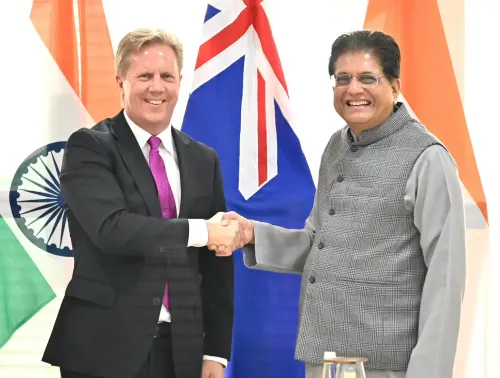
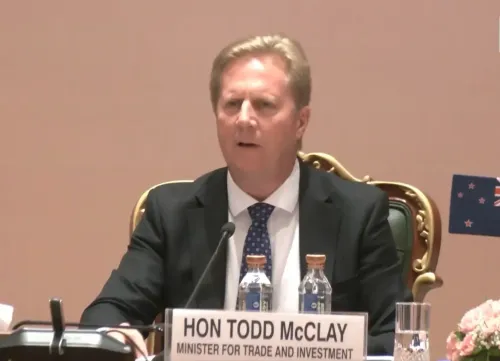
According to Trade and Investment Minister Todd McClay, 57 per cent of New Zealand's exports to India will become duty-free the moment the agreement takes effect. Once fully implemented, tariffs will be removed or significantly reduced on 95 per cent of New Zealand's total exports to India — a sweeping liberalisation that ranks among the most comprehensive market-access packages New Zealand has secured in recent years.
The kiwifruit sector alone stands to benefit substantially, with the industry projected to save approximately NZ$125 million in tariffs over five years. Beyond agriculture, the FTA is expected to deliver faster border clearance and improved access across food, technology, education, tourism, and professional services.
Why India Matters for New Zealand
Minister McClay described India as 'one of the world's largest and fastest-growing economies,' underscoring why Wellington regards the FTA as strategically significant. A report from Westpac Institutional Bank estimated the deal could add close to 0.1 per cent to New Zealand's GDP over the next decade — modest in isolation, but meaningful given New Zealand's export-dependent economic structure.
'India is one of the world's fastest-growing major economies and offers access to a market of 1.4 billion people — one fifth of the world's population,' the Westpac report noted. India's expanding middle class is fuelling demand in precisely the sectors where New Zealand has exportable strengths.
Political and Diplomatic Context
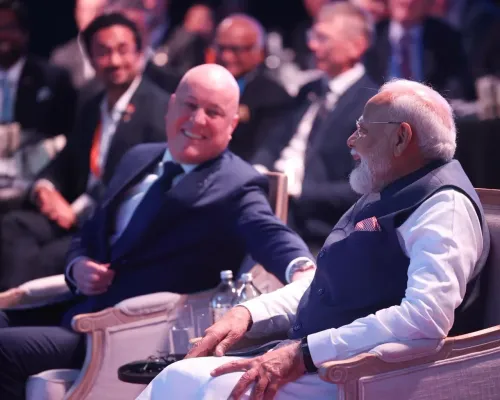
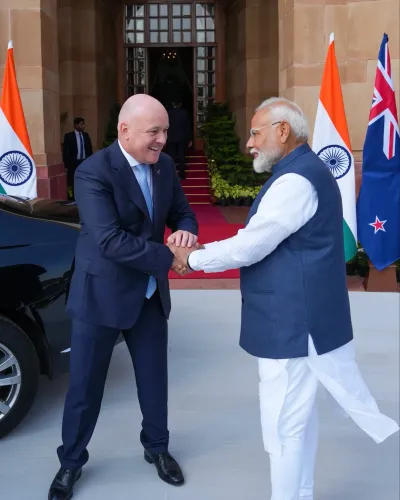
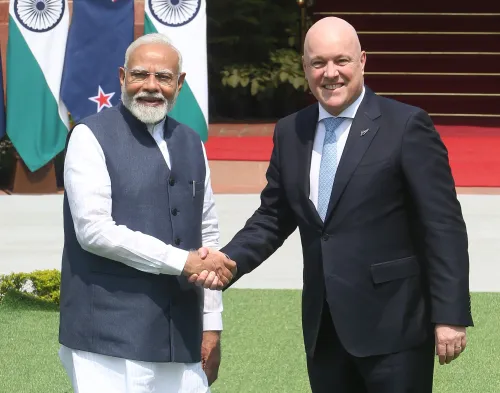
Negotiations for the FTA were formally announced in March 2025, and the swift legislative passage — less than 18 months later — reflects the priority both governments have placed on the deal. The agreement aligns with a shared ambition set by Indian Prime Minister Narendra Modi and New Zealand Prime Minister Christopher Luxon to double two-way trade by 2030.
The strong 93-29 vote signals cross-party support in Wellington, a contrast to the contentious trade debates seen in other Western parliaments. This comes amid India's broader diplomatic push to diversify trade relationships and reduce dependence on any single economic bloc.
What Happens Next
The agreement will formally enter into force once both India and New Zealand complete their respective ratification procedures. The New Zealand government expects that process to conclude later in 2026. India's own ratification timeline has not yet been publicly confirmed, though officials have indicated the domestic process is progressing. Once in force, exporters on both sides can begin availing the preferential tariff rates almost immediately for the first tranche of liberalised goods.
Point of View
And the 0.1 per cent GDP uplift projection for New Zealand, while credible, depends on Indian tariff schedules actually being honoured at the granular product level. The Modi-Luxon 2030 trade-doubling target is politically appealing but arithmetically demanding. What mainstream coverage underplays is the services dimension — faster border clearance and improved access for education and professional services could matter more long-term than the kiwifruit tariff saving that dominates the headlines.
NationPress
16 Sept 2026
Frequently Asked Questions
What is the New Zealand-India FTA and what did Parliament approve?
The New Zealand-India Free Trade Agreement is a bilateral deal that removes or significantly reduces tariffs on the vast majority of New Zealand's exports to India. On 16 September 2026, New Zealand's Parliament voted 93-29 to pass the enabling legislation, clearing the way for the agreement to enter into force once both countries complete ratification.
How much of New Zealand's exports to India will become duty-free?
57 per cent of New Zealand's exports to India will become duty-free when the FTA takes effect. Once fully implemented, tariffs will be removed or significantly reduced on 95 per cent of total New Zealand exports to India.
Which industries benefit most from the India-New Zealand FTA?
The kiwifruit industry is the most cited beneficiary, projected to save around NZ$125 million in tariffs over five years. The deal also improves access for food, technology, education, tourism, and professional services sectors, targeting India's expanding middle class.
When will the New Zealand-India FTA come into force?
The New Zealand government expects the agreement to enter into force later in 2026. It will take effect only after both New Zealand and India complete their respective ratification procedures; India's domestic timeline has not yet been publicly confirmed.
What is the broader economic impact of the deal?
According to a report by Westpac Institutional Bank, the FTA could add close to 0.1 per cent to New Zealand's GDP over the next decade. The deal also supports the goal set by PM Modi and PM Luxon to double two-way trade between the two countries by 2030.