Pakistan's history of military force against its own civilians
Synopsis
Pakistan's reported killing of more than 30 civilians in Balochistan's Surab district is not an aberration — it is the latest entry in a documented record stretching from Operation Searchlight in 1971 to repeated airstrikes in Khyber Pakhtunkhwa and cross-border strikes into Afghanistan. The pattern raises urgent questions about accountability, international law, and whether diplomatic pressure can break a cycle that has cost civilian lives for over five decades.
Key Takeaways
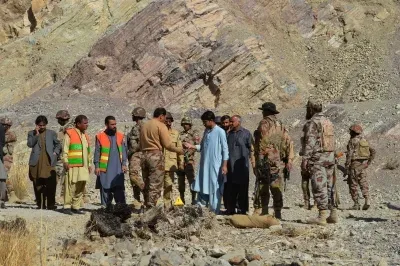
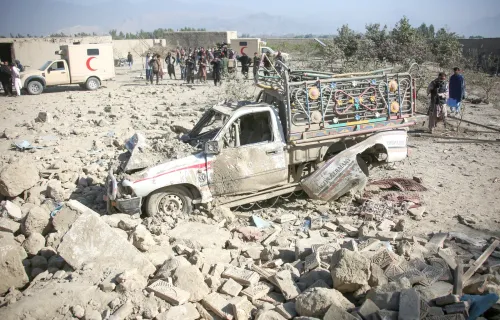
A reported Pakistani airstrike in Balochistan's Surab district on 12 August allegedly killed more than 30 civilians , including women and children.
A near-identical strike in Khyber Pakhtunkhwa province occurred roughly a year earlier, with a comparable death toll.
Operation Searchlight (1971) in East Pakistan remains the worst documented instance — resulting in several lakhs of civilian deaths over nine months; Bangladesh marks 25 March as 'Genocide Day' .
Pakistan's military has also conducted cross-border airstrikes on Afghan territory, drawing international condemnation.
The Geneva Conventions explicitly prohibit using civilian areas for military purposes — a rule critics say Pakistan has repeatedly violated along the Line of Control and in tribal regions.
Regional parallels exist in Myanmar and Sri Lanka , where similar state violence against civilians has drawn UN scrutiny and war crimes allegations.
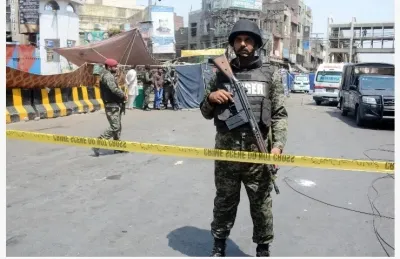
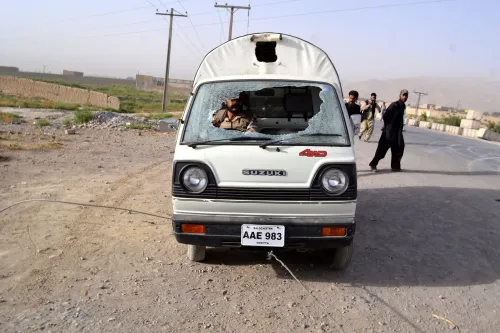
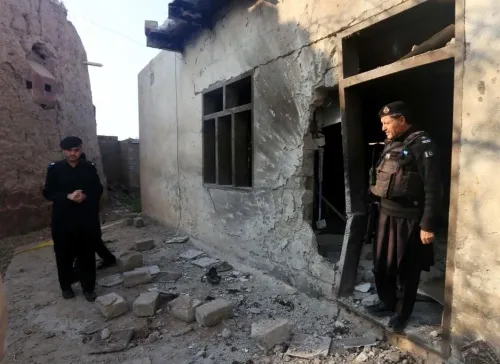
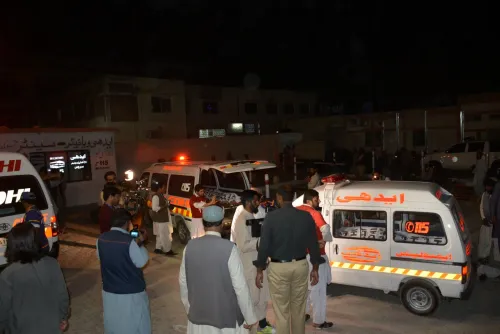
Pakistan has repeatedly deployed military force against its own civilian population — a pattern that critics argue crosses fundamental moral and legal boundaries that most modern states refuse to breach. The latest reported instance, an airstrike in Balochistan's Surab district on Wednesday, 12 August, allegedly killed more than 30 civilians, including women and children, and left several others injured, according to reports.
The Surab Strike and Its Immediate Context
The Surab district strike is not an isolated event. Nearly a year earlier, the Pakistani Air Force reportedly conducted a similar bombing on a village in Khyber Pakhtunkhwa province, resulting in a comparable death toll. Both operations were described by Pakistani authorities as targeting militants, yet civilian casualties dominated the reported outcomes. Human rights groups have consistently criticised the indiscriminate nature of such strikes, which have killed scores and displaced thousands across the country's restive western regions.
The Shadow of 1971: Operation Searchlight
The most devastating chapter in this history dates to 1971, when Islamabad unleashed Operation Searchlight in East Pakistan — now Bangladesh. Using tanks, artillery, and airstrikes, the military sought to suppress Bengali nationalist movements following the Awami League's electoral victory. The operation descended into widespread atrocities — mass killings, sexual violence, and the deliberate targeting of intellectuals. Estimates of civilian deaths from the nine-month carnage run into several lakhs. Bangladesh continues to commemorate 25 March as 'Genocide Day' in memory of the victims.
Tribal Areas and the Afghan Border: A Continuing Pattern
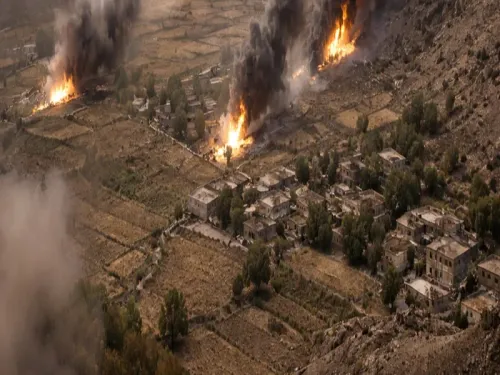
Over the past decade and more, Pakistan's military has conducted repeated airstrikes in the tribal regions, ostensibly targeting alleged Taliban and Al-Qaeda militants. Civilian casualties have been frequently reported, with villages bombed on suspicion of harbouring insurgents. Critics argue that rather than resolving the underlying conflicts, these operations have deepened ethnic divides, fuelled insurgency, and destabilised already fragile border regions. Pakistan has also carried out airstrikes on Afghan territory, drawing international condemnation. Conducted under the stated pretext of targeting terrorists, these cross-border strikes have reportedly killed Afghan civilians, destroyed homes, and uprooted hundreds of families.
Civilian Zones as Military Positions: A Geneva Conventions Concern
There are also documented records of Pakistan's military using civilian settlements as firing positions during its wars against India in 1965 and 1971, a practice that reportedly continues along the Line of Control in Kashmir. The Geneva Conventions explicitly prohibit the use of civilian areas for military purposes, precisely to prevent non-combatants from becoming targets in armed conflict. By blurring the line between civilian and military zones, analysts argue, Islamabad has repeatedly exposed its own population to retaliatory fire.
A Regional Pattern: Myanmar and Sri Lanka
Pakistan is not alone in this grim category. In Myanmar, UN investigators documented airstrikes on homes, schools, hospitals, and displacement camps. In Rakhine State alone, reports indicate 20 civilians were killed in a single month of such strikes. The United States Committee for Refugees and Immigrants noted earlier this year: 'Expanded military operations include indiscriminate attacks on civilians through airstrikes, with the junta targeting schools, hospitals, religious sites, as well as displaced person camps. The military has also made use of drones, as well as motorised paragliders, used to drop bombs.' In Sri Lanka, during the final phase of its civil war around 2009, government forces allegedly shelled civilian zones, sparking allegations of war crimes that remain unresolved. These regional parallels underscore a broader failure of state restraint — one that historians and human rights bodies argue erodes legitimacy and leaves generational scars. The reported Surab strike suggests this pattern in Pakistan is far from over.
Point of View
But it is better understood as a data point in a half-century pattern. What makes Pakistan's case distinct from Myanmar or Sri Lanka is the scale of institutional denial — each strike is framed as a counter-terror operation, and accountability mechanisms remain absent. The 1971 precedent is instructive: Operation Searchlight was also justified as restoring order, and the international community's delayed response allowed the carnage to continue for nine months. The question now is whether the same diplomatic inertia will define the response to Balochistan.
NationPress
12 Aug 2026
Frequently Asked Questions
What happened in Pakistan's Balochistan Surab district airstrike?
A reported Pakistani airstrike in Balochistan's Surab district on 12 August allegedly killed more than 30 civilians, including women and children, and injured several others. The strike drew sharp criticism from human rights observers, who noted it follows a near-identical operation in Khyber Pakhtunkhwa roughly a year earlier.
What is Operation Searchlight and why does it matter?
Operation Searchlight was a Pakistani military crackdown launched in East Pakistan (now Bangladesh) in 1971, using tanks, artillery, and airstrikes to suppress Bengali nationalist movements after the Awami League's electoral victory. Civilian deaths from the nine-month operation are estimated in the several lakhs, and Bangladesh commemorates 25 March as 'Genocide Day' in its memory.
Has Pakistan carried out airstrikes on Afghan territory?
Yes, Pakistan has conducted airstrikes on Afghan territory, reportedly targeting militants but resulting in civilian deaths, destroyed homes, and mass displacement. These strikes have drawn international condemnation and are seen as part of the same pattern of military operations that disregard civilian protection obligations.
What do international laws say about using civilian areas for military purposes?
The Geneva Conventions explicitly prohibit the use of civilian areas and settlements as military positions, precisely to protect non-combatants from becoming targets in armed conflict. Critics argue Pakistan has violated this principle along the Line of Control in Kashmir and in its tribal region operations.
Are there other countries in the region with similar records?
Yes. In Myanmar, UN investigators have documented airstrikes on schools, hospitals, and displacement camps; reports indicate 20 civilians were killed in Rakhine State alone in a single month of strikes. In Sri Lanka, government forces allegedly shelled civilian zones during the final phase of its civil war around 2009, sparking unresolved war crimes allegations.