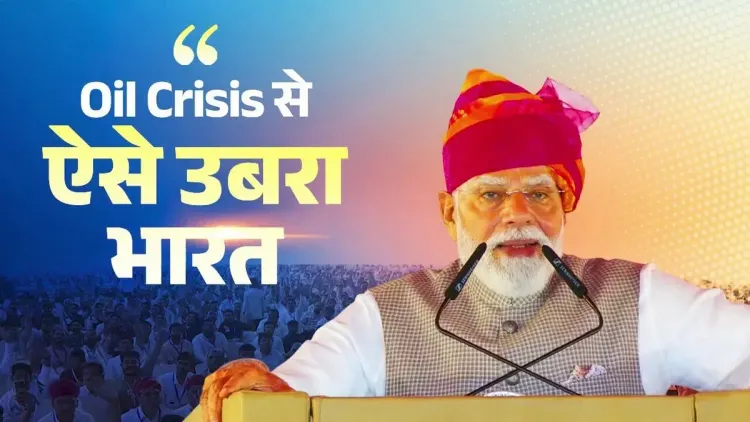
PM Modi: India's diplomacy beat West Asia fuel crisis
Synopsis
Prime Minister Narendra Modi on 4 July 2026 credited India's diplomacy and bilateral friendships for neutralising the fuel supply crisis stemming from the West Asia conflict, dismissing political fear-mongering. The statement underscores New Delhi's long-standing strategy of diversified energy sourcing and proactive Gulf outreach to shield domestic consumers from global oil shocks.
Key Takeaways
PM Modi on 4 July 2026 said India overcame the diesel and petrol supply crisis caused by the West Asia conflict through diplomacy and bilateral friendships.
He directly called out political actors for spreading 'rumours' and engaging in 'fear-mongering' over fuel availability.
India's energy security framework includes strategic petroleum reserves established through Indian Strategic Petroleum Reserves Ltd in 2004 .
India sources crude from diversified partners including Gulf states and Russia to reduce exposure to regional conflicts.
The statement serves as a rebuttal to domestic opposition criticism linking the West Asian conflict to rising fuel prices in India.
Parliamentary scrutiny of fuel pricing mechanisms and Petroleum Ministry import disclosures are expected to follow.
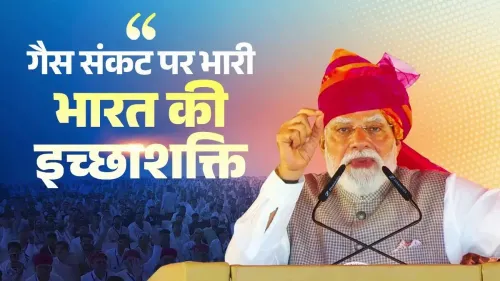
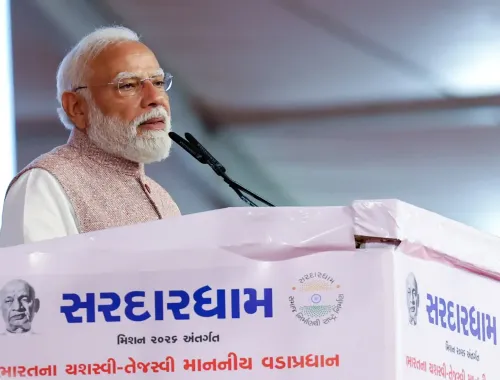
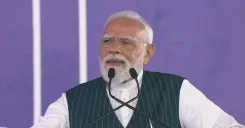
Prime Minister Narendra Modi on Saturday, 4 July 2026, credited India's diplomatic outreach and bilateral friendships for overcoming the fuel supply pressures triggered by the ongoing conflict in West Asia, while dismissing political attempts to spread fear and misinformation over petrol and diesel availability.
In a post on X, Modi wrote in Hindi: 'पश्चिम एशिया में युद्ध की वजह से डीजल-पेट्रोल पर आए संकट को देखते हुए कई तरह की अफवाहें फैलाने और डराने-भड़काने के राजनीतिक खेल खेले गए।' ('Amid the crisis over diesel and petrol caused by the war in West Asia, various rumours were spread and political games of fear-mongering and incitement were played.') He added that India had 'overcome every crisis through its diplomacy and friendships, foiling all ill intentions.'
Context
The conflict in West Asia has repeatedly raised concerns about crude oil supply chains, given the region's outsized role in global energy markets. India imports a substantial share of its crude from Gulf states, making any prolonged disruption in the region a direct concern for domestic fuel prices. The post appears to be a direct rebuttal to opposition criticism linking the West Asian conflict to fuel price volatility inside India.
Domestically, periods of global oil price stress have historically become flashpoints for political contestation, with rival parties pointing to pump-price increases as evidence of policy failure. Modi's post frames the government's response as a diplomatic success story rather than a structural vulnerability.
Policy Backdrop
India's energy security architecture rests on two pillars: diversified import sourcing and strategic reserves. The Indian Strategic Petroleum Reserves Ltd, established in 2004, maintains underground crude stockpiles designed to absorb short-term supply shocks. Successive governments have expanded bilateral energy ties with Gulf Cooperation Council states, and more recently with Russia, to reduce dependence on any single corridor.
Under Modi, energy diplomacy has been woven into the broader foreign policy framework, with state visits to Gulf capitals frequently yielding long-term supply agreements and investment commitments. The government has consistently argued that proactive bilateral engagement insulates Indian consumers from the worst effects of regional conflicts.
Stakeholders and Impact
The most immediate stakeholders are India's roughly 140 crore consumers who depend on affordable petrol and diesel for daily transport and livelihoods. Truckers, farmers relying on diesel-run irrigation pumps, and small businesses with logistics costs are particularly sensitive to any fuel price spike. Refining companies and state-run oil marketing firms also face margin pressure when crude import costs rise sharply.
Opposition parties have used such moments to demand a rollback of central excise duties on fuel, arguing that the tax structure amplifies global price shocks for ordinary consumers. Modi's post implicitly pushes back on that narrative by attributing stability to diplomatic management rather than fiscal intervention.
What's Next
Attention will now turn to the Petroleum Ministry's import contract disclosures and any parliamentary discussion on fuel pricing mechanisms in the upcoming session. Analysts will watch whether India has secured additional long-term supply agreements with Gulf producers or expanded spot purchases from alternative sources to maintain the buffer Modi has publicly claimed. Any escalation in the West Asian conflict that tightens global crude supply would test the resilience of the diplomatic arrangements the Prime Minister has highlighted.
Point of View
The government neutralises opposition attempts to weaponise global oil volatility ahead of any legislative session debate on excise duties. The reference to 'ill intentions' signals that the BJP views opposition fuel-price criticism as bad-faith politics rather than legitimate policy scrutiny. More substantively, the statement reinforces New Delhi's positioning of Gulf diplomacy as a tangible deliverable for ordinary citizens, not merely a foreign-policy abstraction. Whether the claim of full crisis resolution holds will depend on how the West Asian conflict evolves and whether import contracts remain insulated from further disruption.
NationPress
4 Jul 2026
Frequently Asked Questions
Why did PM Modi post about the West Asia fuel crisis?
PM Modi posted on 4 July 2026 to assert that India's diplomacy had successfully managed the fuel supply disruption caused by the West Asia conflict and to counter political rumours about a petrol and diesel shortage in India.
How does the West Asia conflict affect India's petrol and diesel prices?
West Asia is a major source of crude oil for India, so conflict in the region can disrupt supply and push up import costs, which in turn puts upward pressure on domestic petrol and diesel prices.
What is India's strategic petroleum reserve and how does it help?
India's strategic petroleum reserve, managed by Indian Strategic Petroleum Reserves Ltd since 2004 , stores crude oil in underground facilities to provide a buffer of several days' supply in case imports are suddenly disrupted.
Has India diversified its crude oil imports to reduce dependence on West Asia?
Yes. India sources crude from multiple regions including Gulf states , Russia , and other producers, reducing its vulnerability to any single supply corridor being disrupted by conflict or sanctions.
What will happen next regarding India's fuel supply policy?
Observers expect the Petroleum Ministry to release updates on import contracts and Parliament to discuss fuel pricing mechanisms, which will indicate whether the diplomatic arrangements Modi cited are durable.