PMAY transforms lives in Jharkhand's Mohla-Manpur as Modi govt marks 12 years
Synopsis
In Jharkhand's Mohla-Manpur — a forest-edge village historically last in line for government services — PMAY beneficiaries say pucca homes, Ujjwala gas connections, and Swachh Bharat toilets have collectively changed what daily life looks like. Their accounts, emerging as the Modi government marks 12 years, put a human face on welfare delivery data that is often debated in the abstract.
Key Takeaways
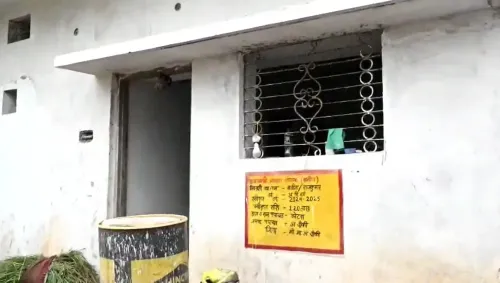
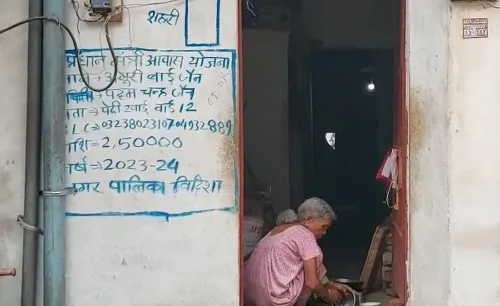
Residents of Mohla-Manpur village , Jharkhand , say the Pradhan Mantri Awas Yojana (PMAY) has replaced fragile mud-and-thatch homes with permanent pucca houses.
Beneficiaries also received LPG connections under Pradhan Mantri Ujjwala Yojana and toilets under the Swachh Bharat Mission .
Villagers report that monsoon-season hardships — including sleepless nights due to leaking roofs — have ended following housing scheme delivery.
Accounts come as the Modi government completes 12 years in office and welfare scheme beneficiaries share transformation stories nationwide.
PMAY-Gramin , launched in 2015 , has prioritised Jharkhand given its high proportion of tribal and forest-dependent communities.
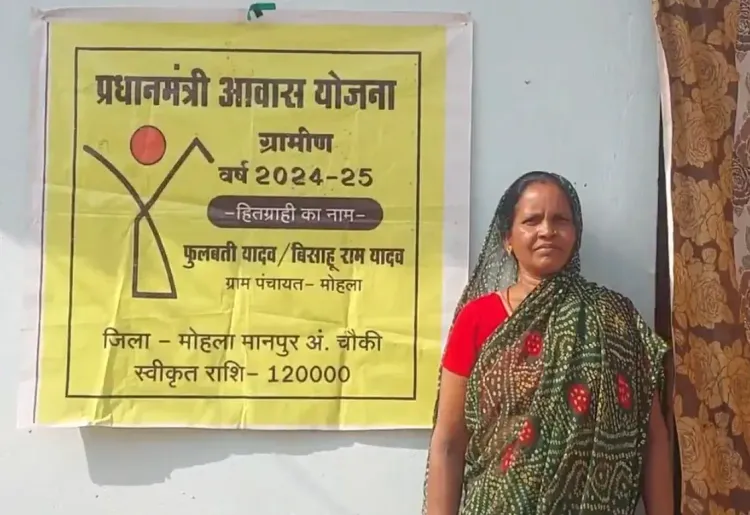
Residents of Mohla-Manpur village in Jharkhand's forested interior say their lives have changed fundamentally over the past 12 years, crediting the Pradhan Mantri Awas Yojana (PMAY) and a cluster of Central Government welfare schemes for lifting them out of conditions marked by crumbling mud homes, open defecation, and energy poverty. As the Modi government completes 12 years in office, beneficiaries across this forest-rich district are among those sharing first-hand accounts of what they describe as a profound shift in their daily lives.
From Leaking Roofs to Pucca Homes
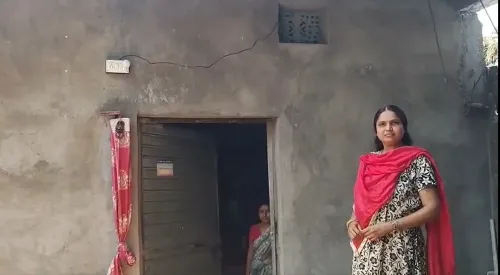
For decades, families in Mohla-Manpur endured the annual ordeal of monsoon season inside fragile mud-and-tile huts. Beneficiaries recalled spending entire nights awake as rainwater seeped through deteriorating roofs, with no reliable shelter for children or the elderly. Multiple dispensations came and went, they noted, without delivering durable housing to the village's most vulnerable households.
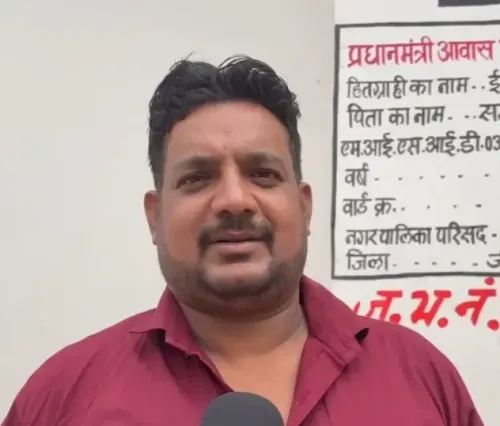
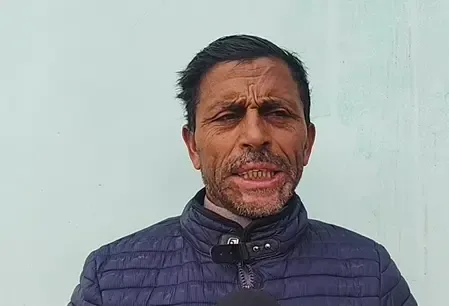
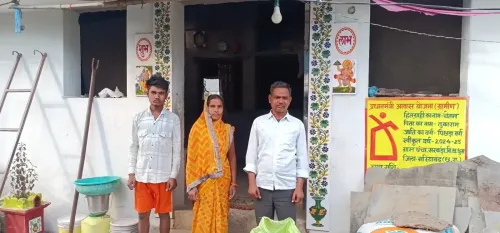
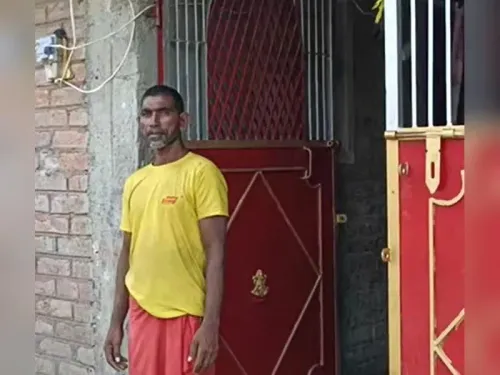
That changed, residents say, after PMAY allocations began reaching the village. Families who once lived in structurally unsafe homes now occupy pucca — permanent, brick-and-mortar — houses, which they describe as a source of both physical security and restored dignity. According to one beneficiary, 'Previously, we lived in a mud-and-thatch house. We faced immense difficulties during the rainy season, as water would leak into the home. Now, thanks to the Pradhan Mantri Awas Yojana, we have received a pucca house, which has brought us significant relief.'
Ujjwala, Swachh Bharat, and the Wider Welfare Net
Housing, while the most visible change, is one strand of a broader welfare delivery that villagers say has reached Mohla-Manpur in recent years. Gas connections under the Pradhan Mantri Ujjwala Yojana have replaced smoky biomass stoves for many households, reducing indoor air pollution and easing the burden on women who previously spent hours collecting firewood. Toilet construction under the Swachh Bharat Mission has addressed sanitation gaps that once posed serious health risks, particularly for women and girls.
Beneficiaries reported that the convergence of these schemes — housing, clean cooking fuel, and sanitation — has collectively raised their standard of living in ways that individual interventions alone could not have achieved. Notably, residents of forest-edge communities like Mohla-Manpur have historically been among the last to receive government services, making the reported reach of these programmes a point of particular emphasis among locals.
What Residents Are Saying
Villagers expressed gratitude to Prime Minister Narendra Modi, with several noting that direct benefit transfers and scheme deliveries have, in their experience, bypassed the intermediary leakages that previously diluted government support. They remarked that rural and forest-dwelling regions — long treated as peripheral — are now, in their words, 'illuminated by development.'
One beneficiary cited benefits from Ujjwala Yojana, toilet construction, and PMAY in the same breath, underscoring how the bundling of schemes has compounded the impact on individual households. 'We express our gratitude to the Prime Minister,' the beneficiary said, according to reports.
Context and What Comes Next
PMAY, launched in 2015, set a target of providing housing for all eligible rural and urban beneficiaries, with the rural component — PMAY-Gramin — specifically aimed at households living in kutcha or dilapidated structures. Jharkhand, with its high proportion of tribal and forest-dependent communities, has been a priority state under the scheme. The government has periodically revised beneficiary lists and extended deadlines to improve coverage.
As the 12-year mark prompts a wider stock-taking of welfare delivery, ground-level accounts from villages like Mohla-Manpur will likely feature in the government's outreach. Whether the pace of delivery accelerates — particularly for households still awaiting allotment — remains the key question for communities still on waiting lists.
Point of View
But they also arrive in a carefully curated political moment — the 12-year milestone — which means the selection of voices and villages warrants scrutiny. The more substantive question is whether PMAY delivery in Jharkhand's tribal belt has been systematic or episodic: beneficiary lists in forest-dependent districts have historically suffered from exclusion errors, leaving the most marginalised households off official rolls. The convergence of PMAY, Ujjwala, and Swachh Bharat in the same households is a genuine policy design achievement worth acknowledging — but the gap between those who received and those still waiting is the story that deserves equal attention.
NationPress
16 Sept 2026
Frequently Asked Questions
What is the Pradhan Mantri Awas Yojana (PMAY) and who benefits from it?
The Pradhan Mantri Awas Yojana is a Central Government housing scheme launched in 2015, aimed at providing permanent pucca homes to eligible rural and urban households living in kutcha or dilapidated structures. In rural areas, the scheme operates as PMAY-Gramin, with Jharkhand — home to a large tribal and forest-dependent population — identified as a priority state.
Which welfare schemes have reached Mohla-Manpur village in Jharkhand?
Residents of Mohla-Manpur report receiving benefits under three Central Government schemes: permanent housing through PMAY, LPG cooking gas connections through the Pradhan Mantri Ujjwala Yojana, and toilet construction under the Swachh Bharat Mission. Villagers say the combined impact of these programmes has substantially improved their standard of living.
Why are PMAY beneficiaries sharing their stories now?
The accounts are emerging as the Modi government marks 12 years in office, prompting a nationwide stock-taking of welfare scheme delivery. Beneficiaries from rural and forest-edge communities — historically underserved — are among those sharing first-hand transformation stories.
What were living conditions like in Mohla-Manpur before these schemes?
Before PMAY delivery, many families in Mohla-Manpur lived in mud-and-tile or mud-and-thatch homes that leaked during the monsoon, forcing residents to stay awake through rain-filled nights. They also lacked clean cooking fuel and household toilets, conditions that persisted across multiple government tenures.
What remains to be done for villages like Mohla-Manpur?
While delivered beneficiaries report significant improvement, households still on PMAY waiting lists — a persistent issue in tribal and forest districts — represent the next challenge. The government has periodically revised beneficiary lists and extended scheme deadlines; the pace of coverage for remaining eligible families is the key metric to watch.