Modi govt welfare schemes in Jharkhand: PMAY, PM KUSUM beneficiaries share impact
Synopsis
Twelve years after Modi took office, beneficiaries in rural Jharkhand are putting numbers to the change: a farmer in Jamtara has cut irrigation costs from ₹10,000 a month to zero, while families in Gumla describe their first monsoon without a leaking roof. The ground-level accounts offer a human ledger of a welfare agenda that has reshaped village life — and set a high bar for continuity.
Key Takeaways
PM Narendra Modi completed 12 years in office on 26 May 2025 .
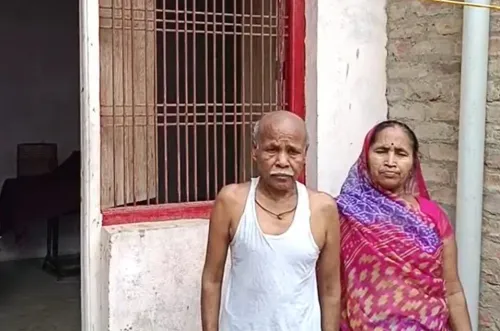
PMAY beneficiaries in Gumla district , Jharkhand — including Meena Devi and Anita Devi — said the scheme ended years of monsoon-related hardship in substandard housing.
Farmer Damodar Singh in Jamtara district said a PM KUSUM solar pump reduced his monthly irrigation cost from ₹8,000–₹10,000 to zero.
Modi has governed under a stated 'Citizen First' welfare framework since taking oath as India's 14th Prime Minister on 26 May 2014 .
Beneficiaries say sustained scheme implementation — not one-time support — will determine long-term impact in rural Jharkhand.
As Prime Minister Narendra Modi marked 12 years in office on 26 May 2025, beneficiaries of Central welfare schemes across Jharkhand described measurable improvements in their living conditions, citing housing support and solar-powered irrigation as the most transformative interventions.
Housing Relief in Gumla District
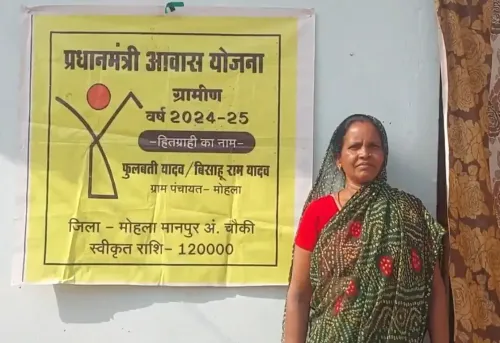
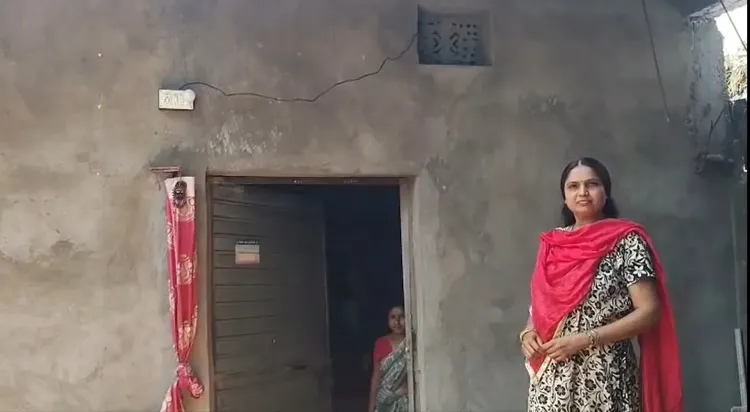
In Gumla district, residents who received homes under the Pradhan Mantri Awas Yojana (PMAY) said the scheme has fundamentally altered daily life for poor families. Meena Devi, a PMAY beneficiary, recalled how her family had previously endured every monsoon in a mud-tiled house with severe water leakage.
'Rainwater used to drip from all sides, and we spent every monsoon in fear and discomfort. After receiving a house under the Prime Minister's scheme, we feel safe and secure. Our biggest worry has ended,' she said.
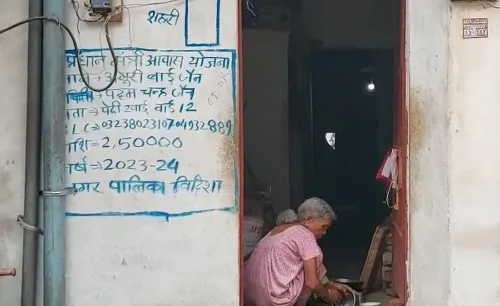
Another resident, Anita Devi, said her family had earlier lived under an asbestos roof where water leakage was a persistent problem. 'Now we have a good house and can live comfortably without worrying about rain damaging the house. Every poor family should get this kind of support,' she said.
Solar Pumps Cut Irrigation Costs in Jamtara
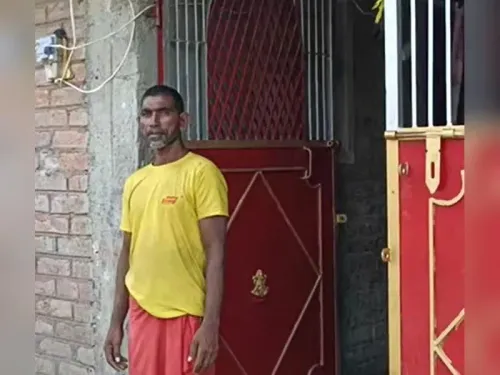
In Jamtara district, farmer Damodar Singh credited the Pradhan Mantri Kisan Urja Suraksha evam Utthan Mahabhiyan (PM KUSUM Yojana) for significantly reducing his agricultural expenses. Singh said the solar pump provided under the scheme freed him from dependence on costly diesel and unreliable grid power.
'Earlier, irrigation through diesel pumps cost me nearly ₹8,000 to ₹10,000 every month. Now irrigation is free, and there is no concern about diesel or power bills,' he said.
Twelve Years of Welfare Delivery
Since taking oath as India's 14th Prime Minister on 26 May 2014, Modi has framed welfare delivery around a 'Citizen First' approach, targeting housing, water access, and essential services for the poorest households. Beneficiaries in Jharkhand say the ground-level impact of these programmes is now visible in rural areas.
This comes amid broader national data showing PMAY has sanctioned over 4 crore rural homes since its launch, though independent assessments have noted uneven completion rates across states. Jharkhand, classified among India's more economically vulnerable states, has been a significant focus of Central welfare outreach.
What Beneficiaries Say About the Road Ahead
Residents in Gumla said that if welfare schemes continue at the current pace, rural shelter deprivation could be substantially reduced. Beneficiaries across both districts indicated that consistent scheme implementation — rather than one-time disbursements — would be key to sustaining the gains. Whether housing and solar irrigation can drive broader livelihood transformation in Jharkhand's rural belt will depend on programme continuity and last-mile delivery.
Point of View
But they represent a curated sample on a politically significant anniversary. The harder question is whether PMAY completion rates and PM KUSUM installation targets in Jharkhand — one of India's poorer states — match the ground-level satisfaction being expressed. National data on PMAY shows persistent gaps between sanctions and completions, and solar pump schemes have faced last-mile delays in several states. Individual beneficiary accounts matter, but a full accountability audit would require district-level completion data that the Centre has not uniformly published. The 12-year mark is as good a moment as any to demand that scorecard.
NationPress
12 Oct 2026
Frequently Asked Questions
What is the Pradhan Mantri Awas Yojana (PMAY) and who benefits from it?
PMAY is a Central government scheme that provides financial assistance for constructing permanent homes for economically weaker sections and low-income households. In rural Jharkhand, beneficiaries like Meena Devi and Anita Devi in Gumla district received pucca houses, replacing leaking mud-tiled and asbestos-roofed shelters.
What is PM KUSUM Yojana and how has it helped farmers in Jharkhand?
PM KUSUM (Pradhan Mantri Kisan Urja Suraksha evam Utthan Mahabhiyan) provides solar-powered irrigation pumps to farmers, reducing dependence on diesel and unreliable grid electricity. Jamtara farmer Damodar Singh said the scheme cut his monthly irrigation expenditure from ₹8,000–₹10,000 to nil.
Why is 26 May 2025 significant for PM Modi?
26 May 2025 marks 12 years since Narendra Modi was sworn in as India's 14th Prime Minister on 26 May 2014. The anniversary has prompted reviews of welfare scheme implementation across states, including beneficiary accounts from Jharkhand.
Which districts in Jharkhand were highlighted for welfare scheme impact?
Gumla district was cited for PMAY housing benefits, with residents describing improved shelter during the monsoon season. Jamtara district was highlighted for PM KUSUM solar pump adoption, with farmers reporting significant savings on irrigation costs.
What challenges remain for welfare scheme delivery in rural Jharkhand?
Beneficiaries and observers note that consistent implementation — rather than one-time disbursements — is critical for lasting impact. Jharkhand, among India's economically more vulnerable states, has seen uneven progress on scheme completion rates, according to broader national assessments.