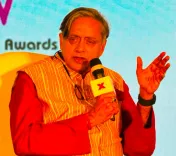
Pralhad Joshi shares President Murmu's Independence Eve climate call
Synopsis
On the eve of India's 80th Independence Day, President Droupadi Murmu declared India is achieving its 2030 Sustainable Development Goals ahead of schedule. Union Minister Pralhad Joshi amplified the statement, spotlighting India's renewable energy scale-up and its claim to global climate leadership.
Key Takeaways
President Droupadi Murmu stated on 14 August 2026 that India is achieving its 2030 SDGs ahead of schedule .
Union Minister Pralhad Joshi shared the quote on X, underlining the government's renewable energy narrative.
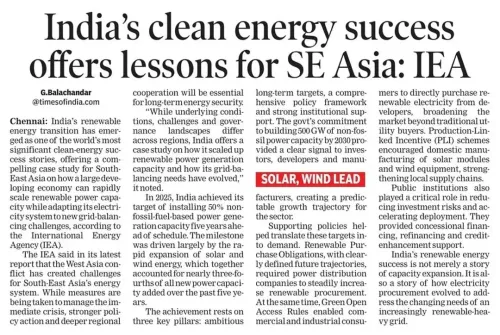
India's non-fossil fuel capacity target stands at 500 GW by 2030 , up from an earlier goal of 175 GW by 2022 .
India's Panchamrit strategy, presented at COP26 Glasgow 2021 , includes a net-zero commitment by 2070 .
NITI Aayog's SDG India Index , published annually since 2018 , tracks state-level progress on clean energy and climate indicators.
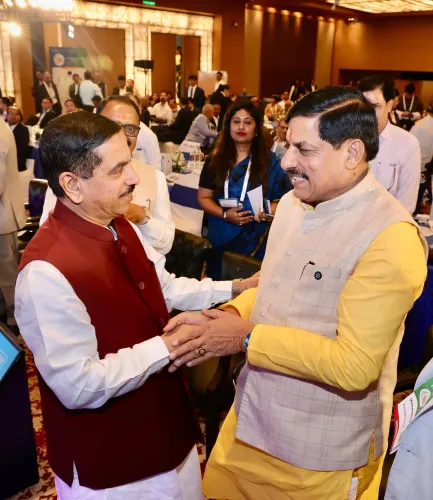
On the eve of India's 80th Independence Day, President Droupadi Murmu delivered a striking assertion — that India is not merely on track for its 2030 Sustainable Development Goals, but is clearing them ahead of schedule. Union Minister Pralhad Joshi, who helms the Ministry of New and Renewable Energy alongside Consumer Affairs, amplified the message on X on Friday, 14 August 2026, framing it as a statement of national momentum.
Quoting President Murmu directly, Joshi shared: 'India is not just progressing towards its 2030 Sustainable Development Goals, it is achieving them ahead of schedule. From Renewable Energy to environmental protection, Bharat is leading by example and contributing to a greener, more sustainable world.'
What the President's claim rests on
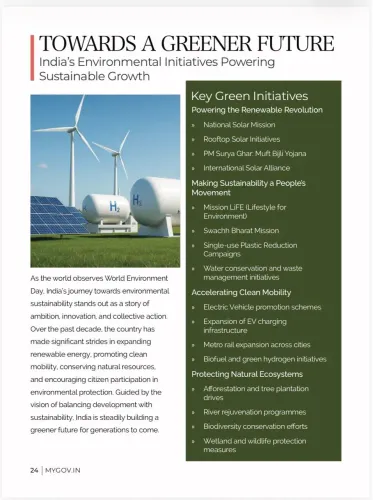
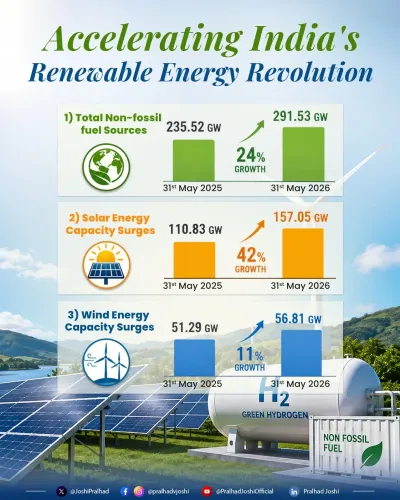
The SDGs are the United Nations' 17-goal global framework adopted in 2015, with a hard deadline of 2030. India has tracked its state-level progress through the NITI Aayog SDG India Index, published annually since 2018. Clean energy and climate action indicators have shown consistent improvement across successive editions of that index. On renewable energy specifically, India's ambition has grown sharply — from a target of 175 GW of non-fossil fuel capacity by 2022 to 500 GW by 2030, backed by programmes including PM-KUSUM, utility-scale solar parks, and the Green Hydrogen Mission. India has scaled capacity at one of the fastest rates globally, and its leadership of the International Solar Alliance has reinforced its role in multilateral climate diplomacy.Panchamrit to Independence Day: the arc of India's climate narrative
The rhetorical ground for President Murmu's statement was laid at COP26 in Glasgow in 2021, when India presented its Panchamrit strategy — five climate commitments including net-zero by 2070 and 50 percent non-fossil fuel electricity capacity by 2030. Presidential addresses on Independence Eve have since routinely woven these domestic programmes into a broader story of India's global climate leadership, and Murmu's statement follows that established pattern. For Minister Joshi, who oversees renewable energy policy directly, amplifying the President's words carries particular weight — it signals alignment between the executive and the ministry on India's green credentials at a symbolically charged moment. The next concrete test of these claims will come with the forthcoming NITI Aayog SDG India Index release and any updated capacity figures India presents at upcoming COP negotiations — numbers that will either validate or complicate the 'ahead of schedule' framing.Point of View
Not yet a verified statistical claim — the research flags this assertion as unconfirmed. For Minister Joshi, amplifying it ties his renewable energy portfolio directly to the national pride moment of Independence Day, a deliberate alignment of ministerial identity with the government's climate-leadership brand. The statement fits a well-established pattern: India has used multilateral forums from COP26 to the G20 to project itself as a developing-world climate leader, and domestic presidential addresses reinforce that image for home audiences. The credibility of the 'ahead of schedule' framing will ultimately be tested by the next NITI Aayog SDG Index and India's COP submissions — both of which will draw close scrutiny.
NationPress
14 Aug 2026
Frequently Asked Questions
What did President Droupadi Murmu say about India's SDG progress?
President Murmu stated on the eve of India's 80th Independence Day that India is not merely progressing toward its 2030 Sustainable Development Goals but is achieving them ahead of schedule, citing renewable energy and environmental protection as key areas.
What are India's renewable energy targets for 2030?
India aims to install 500 GW of non-fossil fuel electricity capacity by 2030, supported by schemes such as PM-KUSUM, solar parks, and the Green Hydrogen Mission.
What is the Panchamrit climate strategy India announced at COP26?
At COP26 in Glasgow in 2021, India announced five climate commitments — the Panchamrit — including achieving net-zero emissions by 2070 and sourcing 50 percent of electricity from non-fossil fuels by 2030.
What is the NITI Aayog SDG India Index?
The NITI Aayog SDG India Index is an annual report published since 2018 that tracks each Indian state's progress across the 17 UN Sustainable Development Goals, including clean energy and climate action.
Why did Minister Pralhad Joshi share President Murmu's statement?
Joshi, who leads the Ministry of New and Renewable Energy, shared the President's Independence Eve statement to highlight India's climate achievements — a message directly relevant to his ministerial portfolio.