Indian Railways approves ₹170 crore for Kavach 4.0 on 712 km Moradabad stretch
Synopsis
Indian Railways has sanctioned ₹170 crore to roll out Kavach 4.0 — its indigenous collision-prevention system — across 712 route kilometres of Moradabad Division. The move is part of a national safety push that has already cut train accidents by 88 per cent since 2014–15, with the Consequential Accident Index falling 91 per cent in the same period.
Key Takeaways
Indian Railways approved ₹170 crore for Kavach Version 4.0 deployment on 1 September .
The system will cover 712 route kilometres across Moradabad Division, Northern Railway .
Kavach prevents Signal Passing at Danger (SPAD), auto-applies brakes, and reduces collision risk.
Train accidents have fallen 88 per cent — from 135 in 2014–15 to 16 in 2025–26.
The Consequential Accident Index dropped 91 per cent , from 0.11 to 0.01 per million train-kilometres.
Safety expenditure has grown from ₹39,200 crore in 2013–14 to ₹1,20,389 crore in 2026–27.
Indian Railways has approved the deployment of Kavach Version 4.0 across the remaining sections of Moradabad Division, Northern Railway, covering 712 route kilometres at a total outlay of ₹170 crore, according to an official statement issued on 1 September. The move extends the indigenous Automatic Train Protection network deeper into one of the busiest rail corridors in northern India.
What Kavach 4.0 Covers
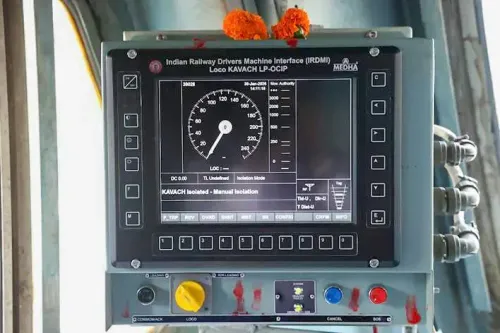
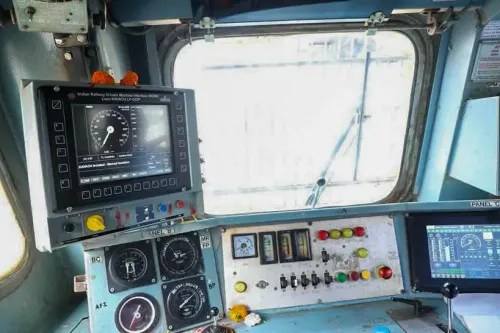
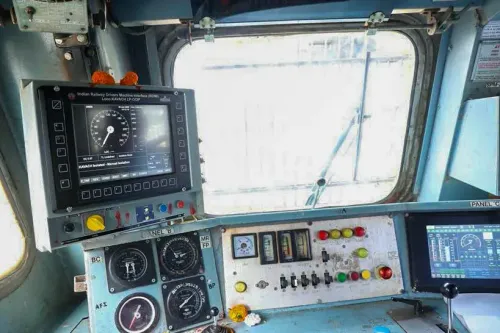
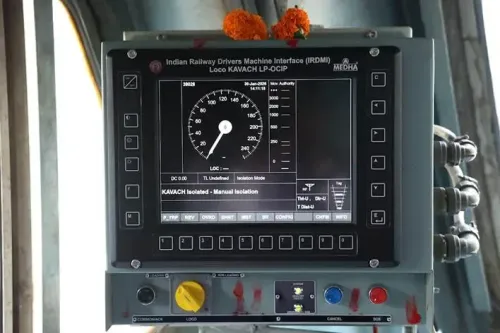
The approved deployment will roll out the Automatic Train Protection (ATP) system across identified sections of the Moradabad Division, strengthening the division's safety infrastructure. Kavach is designed to prevent Signal Passing at Danger (SPAD), automatically apply brakes to avert unsafe situations, regulate train speed in critical conditions, and significantly reduce collision risk.
The Ministry of Railways described the initiative as part of Indian Railways' sustained effort to expand Kavach coverage across its national network and modernise signalling and train protection systems.
India's Railway Safety Trajectory
The approval comes against a backdrop of markedly improved railway safety metrics. Train accidents have dropped 88 per cent — from 135 incidents in 2014–15 to just 16 in 2025–26 — with only two incidents recorded in the current year through June, according to figures the ministry shared in July.
The Consequential Accident Index — which measures accidents per million train-kilometres — fell to 0.01 in 2025–26 from 0.11 in 2014–15, a reduction of approximately 91 per cent. Expenditure on safety-related activities has risen sharply over the same period, from ₹39,200 crore in 2013–14 to ₹1,20,389 crore in 2026–27.
Broader Infrastructure Upgrades
Beyond Kavach, Indian Railways has been upgrading its signalling ecosystem at scale. Electrical and electronic interlocking systems with centralised operation are now in place at 6,671 stations, with complete track circuiting at all these locations. Interlocking of Level Crossing (LC) Gates has been provided at 10,395 level crossings to further reduce accident risk at unmanned and manned crossings alike.
Notably, this is not a standalone project — the Moradabad Division approval is one in a series of Kavach expansion orders that have been progressively covering high-density routes across the national network.
What Comes Next
With the Moradabad Division work now sanctioned, implementation is expected to proceed in phases across the 712 route kilometres. The Railways has indicated that Kavach coverage will continue to be extended to additional divisions, with the broader goal of creating a nationwide automatic train protection layer across the entire network.
Point of View
With accident counts and the Consequential Accident Index both at historic lows. The real question is pace: Kavach coverage still accounts for a fraction of the total network, and high-density corridors outside the northern zone remain exposed. Approvals at ₹170 crore per 712 km suggest the rollout will take years at current funding velocity. The ministry's own safety expenditure data — rising from ₹39,200 crore to ₹1,20,389 crore — shows political will, but execution timelines and independent progress audits remain opaque.
NationPress
17 Oct 2026
Frequently Asked Questions
What is Kavach 4.0 and what does it do?
Kavach 4.0 is the latest version of Indian Railways' indigenously developed Automatic Train Protection (ATP) system. It prevents trains from passing danger signals, automatically applies brakes in unsafe situations, controls speed in critical zones, and reduces the risk of collisions.
Why has Indian Railways approved Kavach 4.0 for Moradabad Division?
The ₹170 crore approval covers the remaining 712 route kilometres of Moradabad Division on Northern Railway that were yet to receive Kavach coverage. The deployment is part of a broader national effort to extend the ATP system across high-density rail corridors.
How much has Indian Railways spent on safety in recent years?
Safety-related expenditure has risen from ₹39,200 crore in 2013–14 to ₹1,20,389 crore in 2026–27, reflecting a sustained increase in investment across signalling, track circuiting, and train protection systems.
How much have train accidents fallen on Indian Railways?
Train accidents dropped 88 per cent, from 135 incidents in 2014–15 to 16 in 2025–26, with only two incidents recorded in the current year through June. The Consequential Accident Index fell 91 per cent over the same period.
What other safety upgrades has Indian Railways carried out?
Beyond Kavach, Indian Railways has installed electrical and electronic interlocking systems with centralised operation at 6,671 stations and complete track circuiting at all those locations. Level Crossing Gate interlocking has been provided at 10,395 gates across the network.