Rajasthan bans govt foreign travel, mandates EVs and carpooling in fuel-saving drive

Synopsis
Rajasthan has gone further than most states in responding to PM Modi's fuel-conservation appeal — banning foreign travel at government expense, mandating an all-EV vehicle fleet in phases, and pushing carpooling, solar, and digital governance in a single Finance Department circular. The real test is execution: EV infrastructure in Rajasthan remains thin, and compliance with carpooling directives in a state bureaucracy is historically patchy.
Key Takeaways
The Rajasthan Finance Department has issued a circular banning foreign travel by ministers, officials, and employees at government expense.
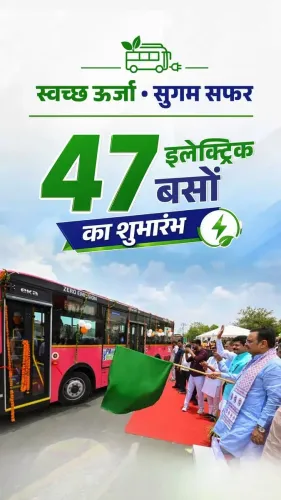
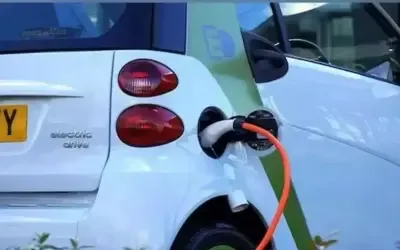
All future government vehicle purchases must be Electric Vehicles (EVs) ; existing petrol and diesel vehicles will be replaced in phases.
Officials travelling in the same direction must carpool ; government and private vehicles may both be used for shared commuting.
Meetings and events by departments, autonomous bodies, and PSUs can no longer be held in hotels — only in government buildings.
Use of e-Office, e-Files , and the 'Raj-Kaaj' portal made mandatory; training programmes shifted fully online.
Government offices to install solar plants ; rooftop solar promoted under the PM Surya Ghar scheme .
The Rajasthan government has issued a sweeping circular banning foreign travel by ministers, officials, and employees at state expense, while mandating a shift to Electric Vehicles (EVs), carpooling, and digital governance — moves framed as a direct response to Prime Minister Narendra Modi's appeal to conserve petrol and diesel. The circular, issued by the state's Finance Department, directs all departments to implement the guidelines strictly.
Foreign Travel Banned, Convoys Trimmed
In a significant policy shift, the circular prohibits ministers, government officials, and employees from undertaking any foreign travel at government expense. Additionally, dignitaries entitled to official convoys have been directed to cut non-essential vehicles from their motorcades, reducing both fuel consumption and logistical overhead.
Full EV Transition in Phases
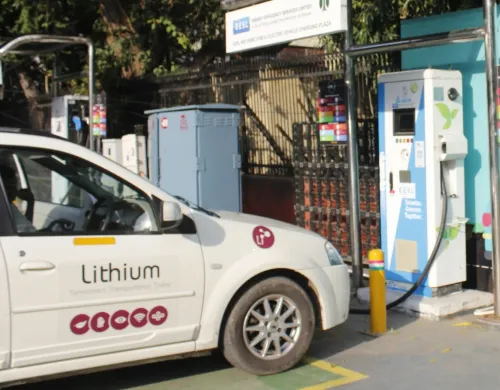
All future vehicle purchases by government departments and public institutions must now be Electric Vehicles. Existing petrol and diesel vehicles will be replaced with EVs in a phased manner — in the first phase, only EVs will be procured for officials operating within city limits. The EV mandate will be progressively extended to vehicles hired by the government on contract. The government has also committed to preparing an action plan to strengthen EV charging infrastructure and fast-track approvals for pending charging station proposals.
Carpooling, Video Conferencing, and Digital Governance
Officials and employees travelling in the same direction have been directed to carpool, using both government and private vehicles for shared commuting. Departments, autonomous bodies, and Public Sector Undertakings (PSUs) are no longer permitted to organise meetings or events in hotels — all official programmes must be held in government buildings. Meetings are to be conducted via video conferencing wherever possible, minimising physical gatherings. Training programmes for officers and employees will now be held online rather than requiring staff to congregate at a single location.
Digital Offices and Solar Push
The use of e-Office, e-Files, and the 'Raj-Kaaj' portal has been made mandatory to reduce paper-based correspondence. Government offices will install solar plants to meet their electricity requirements, and rooftop solar installations will be promoted under the PM Surya Ghar scheme. A special campaign will also be launched to reduce non-agricultural use of urea and encourage balanced fertiliser consumption.
Energy Conservation at Office Level
The circular stresses basic energy discipline as well, directing officers and employees to switch off lights, fans, coolers, and air conditioners before leaving their offices. This comes amid a broader national push to reduce dependence on fossil fuels, with the Centre signalling that state governments must lead by example. Whether Rajasthan's circular translates into measurable fuel savings will depend on departmental compliance — and the pace at which EV charging infrastructure actually comes online.
Point of View
A foreign travel ban, carpooling rules, and a digital-governance push into a single order. But breadth and depth are different things. The EV transition is contingent on charging infrastructure that the state itself acknowledges needs building out, and carpooling mandates in large bureaucracies tend to be honoured in the breach. The circular's real value may be signalling: it aligns the state visibly with the Centre's fuel-conservation messaging ahead of a politically sensitive period. Whether departments comply or file the circular away is a monitoring question the government has not yet answered.
NationPress
16 Sept 2026
Frequently Asked Questions
What has the Rajasthan government announced in its new circular?
The Rajasthan Finance Department has issued a circular banning foreign travel by ministers, officials, and employees at government expense, mandating a phased shift to Electric Vehicles, requiring carpooling, and pushing digital governance and solar energy adoption. All departments have been directed to implement the guidelines strictly.
Why has Rajasthan issued this fuel-conservation circular?
The circular is framed as a direct response to Prime Minister Narendra Modi's appeal to conserve petrol and diesel. It is part of a broader national effort to reduce government dependence on fossil fuels and cut non-essential expenditure.
How will Rajasthan's EV mandate work?
All future vehicle purchases by government departments and public institutions must be Electric Vehicles. In the first phase, only EVs will be bought for officials operating within city limits. Existing petrol and diesel vehicles will be replaced in a phased manner, and the mandate will extend to contract-hired vehicles over time.
What restrictions have been placed on government meetings and events?
Departments, autonomous bodies, and PSUs can no longer hold meetings or events in hotels. All official programmes must take place in government buildings, and meetings must be conducted via video conferencing wherever possible.
What digital and energy measures are included in the circular?
The circular makes use of e-Office, e-Files, and the 'Raj-Kaaj' portal mandatory to cut paper-based work. Training programmes will move online. Government offices will install solar plants, and rooftop solar will be promoted under the PM Surya Ghar scheme. Staff have also been directed to switch off lights and appliances before leaving offices.