Rajasthan CM Bhajanlal Pushes Anicut, Canal Restoration Drive
Synopsis
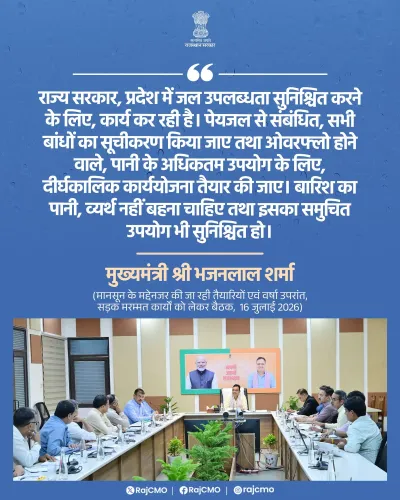
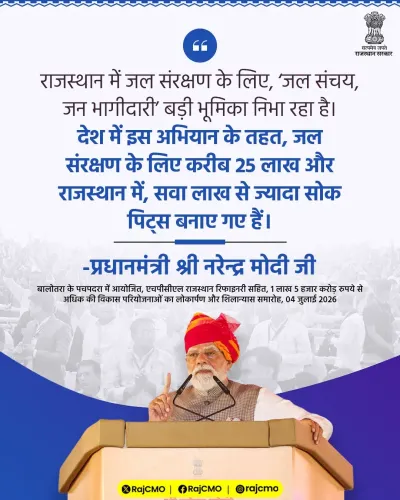
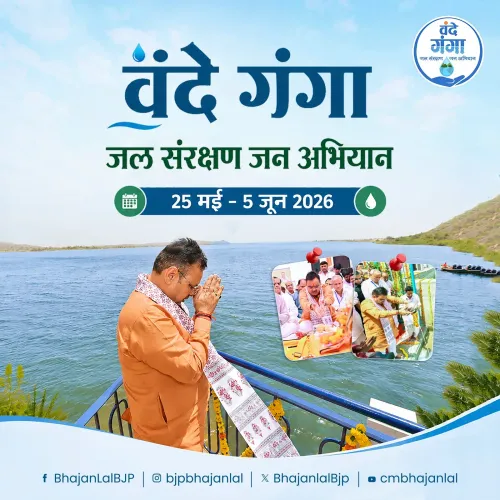
The Chief Minister's Office of Rajasthan has directed districts to restore anicuts, canals and ponds and clean earthen canals under the Vande Ganga Jal Sanrakshan Jan Abhiyan, with CM Bhajan Lal Sharma personally tagged in the pre-monsoon push for community-led water conservation.
Key Takeaways
The Rajasthan CMO issued a directive on 26 May 2026 under the Vande Ganga Jal Sanrakshan Jan Abhiyan .
District administrations have been instructed to restore anicuts, canals and ponds and clean earthen canals .
The campaign builds on the state's earlier Mukhya Mantri Jal Swavalamban Abhiyan launched in 2016 .
The timing targets the pre-monsoon window to maximise rainwater capture and groundwater recharge.
Primary beneficiaries are farmers and rural communities in Rajasthan's arid and semi-arid districts.
Chief Minister Bhajan Lal Sharma was directly tagged, signalling top-level political ownership of the drive.
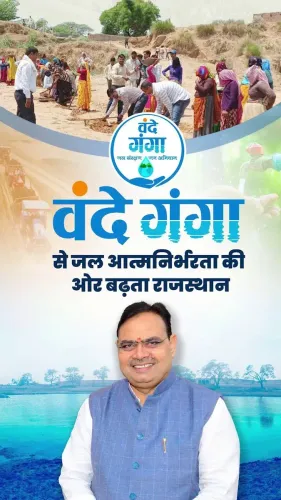
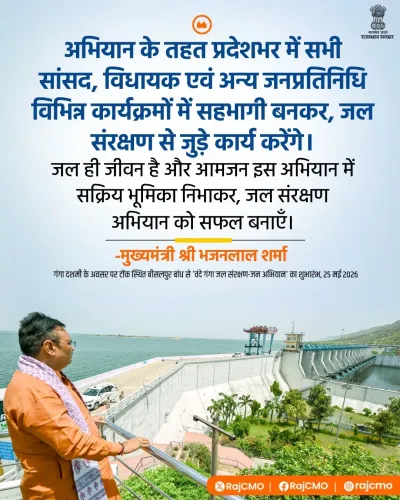
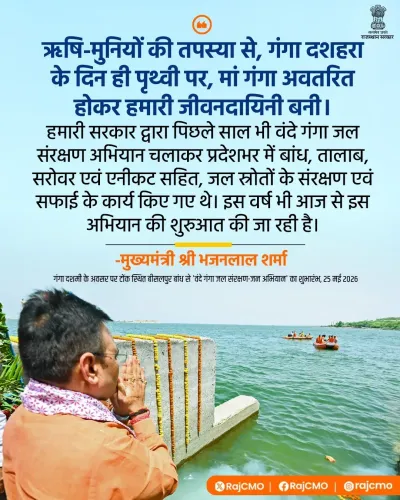
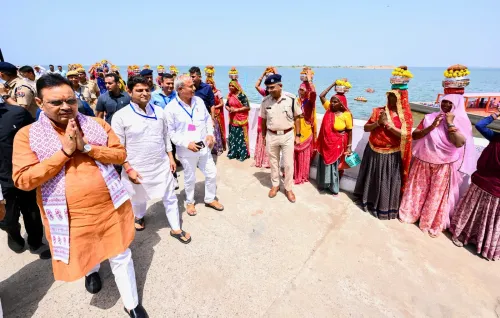
The Chief Minister's Office of Rajasthan, on behalf of Chief Minister Bhajan Lal Sharma, on Tuesday, 26 May 2026, directed district administrations across the state to undertake restoration of anicuts, canals, and ponds and ensure cleaning of earthen canals under the Vande Ganga Jal Sanrakshan Jan Abhiyan.
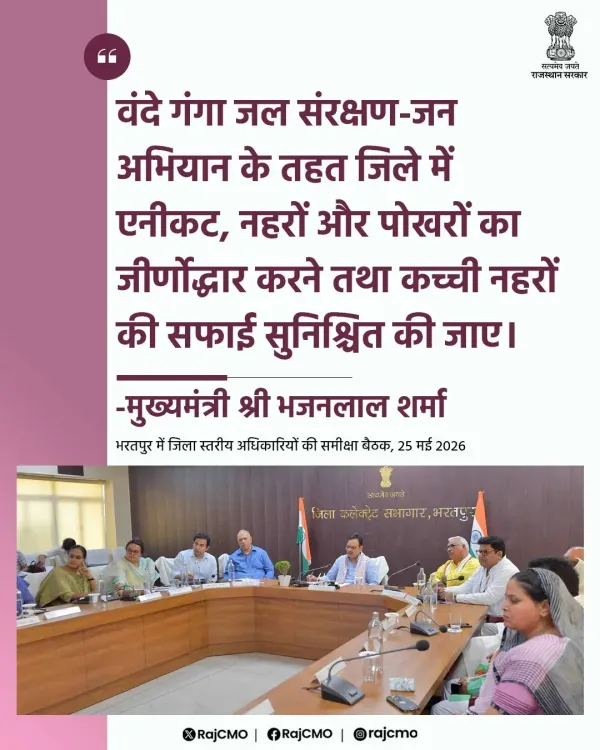
The post, shared from the official CMO handle with the hashtag #आपणो_अग्रणी_राजस्थान ('Our Foremost Rajasthan'), states: 'Vande Ganga Jal Sanrakshan-Jan Abhiyan ke tahat jile mein anikat, naharon aur pokharon ka jirnoddhaar karne tatha kachchi naharon ki safaai sunischit ki jaae' — translated as: 'Under the Vande Ganga Water Conservation People's Campaign, restoration of anicuts, canals and ponds in the district must be carried out, and cleaning of earthen canals must be ensured.'
Context
The directive arrives weeks before the onset of the southwest monsoon, a critical window when pre-season desilting and structural repair of minor irrigation works can maximise rainwater capture. Rajasthan, which spans some of India's most arid and semi-arid geography, has historically suffered from recurrent drought and groundwater depletion. Restoring anicuts — small check dams that arrest runoff — and rehabilitating earthen canals directly supports kharif sowing by improving soil moisture and local recharge.Policy Backdrop
The current push sits within a longer state tradition of community-led water management. Rajasthan launched the Mukhya Mantri Jal Swavalamban Abhiyan in 2016 to encourage village-level restoration of ponds, anicuts and traditional water bodies, combining local knowledge with district-level execution. The state has also participated in the central Pradhan Mantri Krishi Sinchayee Yojana since 2015 to expand irrigation coverage and improve canal infrastructure. The Vande Ganga Jal Sanrakshan Jan Abhiyan appears to extend this lineage, framing conservation as a mass public movement rather than a purely administrative exercise.Stakeholders and Impact
The primary beneficiaries are farmers and rural communities across Rajasthan's drought-prone districts. Functional anicuts and clean irrigation canals reduce dependence on groundwater pumping, lower input costs for smallholder farmers, and improve the reliability of water supply ahead of the sowing season. Earthen canal cleaning, in particular, is a labour-intensive activity that can generate short-term rural employment while delivering long-term agrarian benefits. District administrations have been placed at the centre of execution, signalling that accountability will be tracked at the collector level.What's Next
Attention will now shift to district-level progress reports on anicut and pond restoration works before the monsoon arrives. Any supplementary budget provisions for canal cleaning in the next Rajasthan Legislative Assembly session will be watched as a measure of fiscal commitment behind the campaign. Chief Minister Bhajan Lal Sharma's direct tagging in the post underlines that the state's top leadership intends to keep the campaign visible, and sustained follow-through at the block and panchayat level will determine whether this season's works translate into measurable improvements in groundwater tables and crop yields across the state.Point of View
Low immediate cost, and resonant with Rajasthan's deep anxiety about water scarcity. By tagging CM Bhajan Lal Sharma directly, the CMO is tying the BJP government's rural credibility to a tangible, verifiable deliverable at the district level. The campaign also fits a broader national pattern in which state governments repackage community water-harvesting as a 'jan andolan' to generate grassroots buy-in ahead of sowing season. Whether the drive moves beyond optics will depend on whether district collectors receive ring-fenced funds and hard deadlines before the first monsoon rains.
NationPress
10 Oct 2026
Frequently Asked Questions
What is the Vande Ganga Jal Sanrakshan Jan Abhiyan in Rajasthan?
The Vande Ganga Jal Sanrakshan Jan Abhiyan is a water conservation people's campaign run by the Rajasthan government that directs district administrations to restore anicuts, canals and ponds and clean earthen canals, particularly ahead of the monsoon season.
What is an anicut and why does Rajasthan restore them?
An anicut is a small check dam built across a stream or seasonal watercourse to slow runoff and recharge groundwater. Rajasthan restores anicuts to improve water availability for farming in its arid and semi-arid districts, especially before the kharif sowing season.
What is the Mukhya Mantri Jal Swavalamban Abhiyan?
The Mukhya Mantri Jal Swavalamban Abhiyan is a Rajasthan government programme launched in 2016 to promote village-level restoration of ponds, anicuts and traditional water bodies through community participation and district-level execution.
Who is Bhajan Lal Sharma?
Bhajan Lal Sharma is the Chief Minister of Rajasthan, in office since December 2023 and representing the Bharatiya Janata Party. He was tagged by the CMO in the Vande Ganga campaign post, indicating direct political ownership of the water conservation drive.
Why is canal and pond restoration done before the monsoon in Rajasthan?
Pre-monsoon restoration ensures that anicuts, canals and ponds are structurally sound and desilted before rains arrive, maximising rainwater capture, improving groundwater recharge and supporting reliable irrigation for the kharif crop cycle.