Rajasthan CMO orders Jan Seva Shivirs to fix water, roads
Synopsis
The Chief Minister's Office of Rajasthan has directed that drinking water shortages, waterlogging, and road problems be resolved on priority through Jan Seva Shivirs — periodic on-spot grievance camps — tagging CM Bhajanlal Sharma directly in the 25 September 2026 post.
Key Takeaways
The Rajasthan CMO issued a directive on 25 September 2026 to resolve drinking water, waterlogging, and road problems on priority.
Jan Seva Shivirs — on-the-spot public service camps — are the designated mechanism for citizen grievance redressal.
The directive tags Chief Minister Bhajanlal Sharma , signalling direct accountability at the top.
The BJP government intensified grievance camps after winning the December 2023 Rajasthan assembly elections.
Shivirs complement central schemes like Jal Jeevan Mission and PMGSY at the village-level administrative interface.
Primary beneficiaries are rural residents and village panchayats across Rajasthan's arid and semi-arid districts.
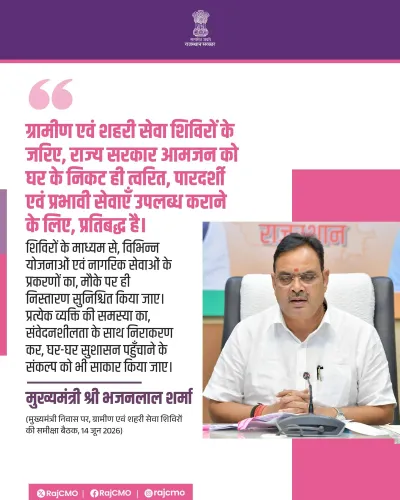
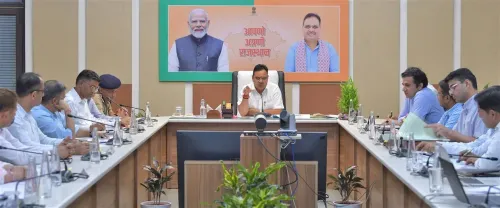
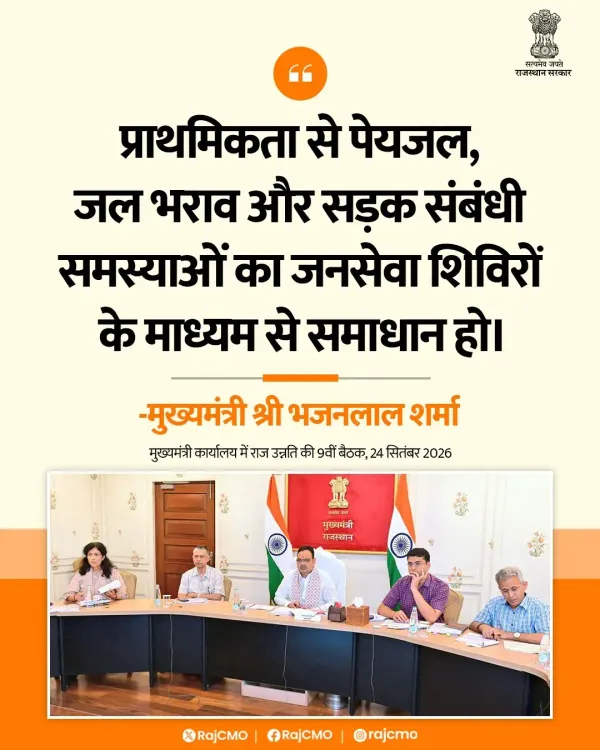
Drinking water shortages, waterlogging on village streets, and broken road connectivity — three problems that dog rural Rajasthan year after year — have been placed at the top of the state government's immediate action list. The Chief Minister's Office of Rajasthan directed, on Friday, 25 September 2026, that these grievances be resolved on priority through Jan Seva Shivirs (public service camps), tagging Chief Minister Bhajanlal Sharma directly in the instruction.
The post, shared from the official Rajasthan CMO account, reads: 'Prathamikta se peyajal, jal bharav aur sadak sambandhit samasyaon ka Jan Seva Shivaron ke madhyam se samadhan ho' — 'Drinking water, waterlogging and road-related problems should be resolved on priority through Jan Seva Shivirs.' The hashtag #AapnoAgraniRajasthan ('Our Leading Rajasthan') frames the directive as part of the BJP government's broader brand promise of responsive, citizen-first administration.
What Jan Seva Shivirs actually do
Jan Seva Shivirs are periodic, on-the-spot grievance camps deployed by the Rajasthan government at the district and block level. Officials from relevant departments — public health engineering, roads and transport, local bodies — assemble in one location so citizens can register complaints and, where possible, receive same-day resolution without navigating bureaucratic hierarchies. Since the BJP government came to power after the December 2023 assembly elections, district administrations were directed to intensify these camps as a visible proof-of-governance mechanism.Why drinking water and waterlogging still dominate complaints
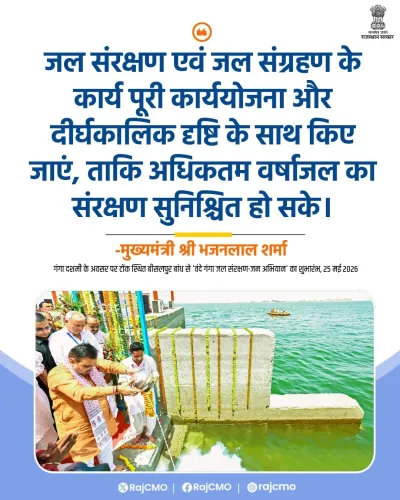
Rajasthan — a western Indian state with large arid and semi-arid tracts — has historically struggled with reliable piped water supply in rural areas. Even as the Central government's Jal Jeevan Mission has expanded tap connections, last-mile maintenance and seasonal shortfalls continue to generate grievances at the village level. Waterlogging, paradoxically, is a monsoon-season companion to water scarcity: inadequate drainage infrastructure in low-lying habitations floods roads and homes during heavy rains, cutting off connectivity. The Pradhan Mantri Gram Sadak Yojana (PMGSY) has improved rural road coverage, but patch maintenance gaps persist. Shivirs act as the administrative bridge between flagship scheme intent and ground reality.Sharma's name on the directive — and what it signals
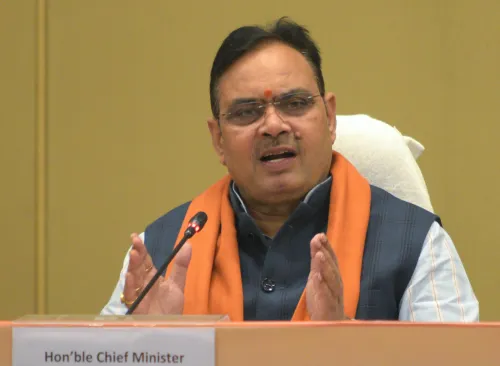
Tagging @BhajanlalBjp in an official CMO post is a deliberate visibility move: it signals that the Chief Minister's office holds him personally accountable for follow-through, and it puts district collectors and divisional commissioners on notice that the top of the government is watching. District-level outcomes from these camps — how many complaints were logged, resolved, or escalated — will be the real measure of whether the directive translates into results for Rajasthan's rural residents and village panchayats. The camps are a starting gun. Whether they clear the backlog or simply document it is the question the next review meeting will have to answer.Point of View
Boots-on-the-ground mechanism to address problems that flagship central schemes have not fully resolved at the last mile. By tagging CM Bhajanlal Sharma publicly, the CMO is layering personal accountability onto a bureaucratic instruction, a tactic that raises political stakes for district officials. This sits within a broader BJP pattern of branding routine administrative acts under aspirational hashtags — here, #AapnoAgraniRajasthan — to link governance delivery to electoral identity ahead of future cycles. The real test will be whether Shivir outcomes are independently tracked and publicised, or remain opaque.
NationPress
25 Sept 2026
Frequently Asked Questions
What are Jan Seva Shivirs in Rajasthan?
Jan Seva Shivirs are periodic public service camps organised by the Rajasthan government at the district and block level where officials from multiple departments assemble to register and resolve citizen complaints on the spot, covering issues like drinking water, waterlogging, and roads.
What did the Rajasthan CMO post on 25 September 2026?
The Rajasthan CMO's official X account directed that drinking water shortages, waterlogging, and road-related problems be resolved on priority through Jan Seva Shivirs, tagging Chief Minister Bhajanlal Sharma in the post.
Who is Bhajanlal Sharma?
Bhajanlal Sharma is the Chief Minister of Rajasthan, serving since December 2023 after the BJP won the state assembly elections. He oversees state administration including public grievance mechanisms.
How do Jan Seva Shivirs relate to Jal Jeevan Mission?
While Jal Jeevan Mission funds tap water connections at the national level, Jan Seva Shivirs provide a direct administrative interface at the village level to handle last-mile maintenance gaps, seasonal shortfalls, and local grievances that central scheme portals do not resolve quickly.
What problems do Rajasthan villages face with water and roads?
Rajasthan's arid and semi-arid regions face persistent rural drinking water shortages. Paradoxically, monsoon season brings waterlogging due to inadequate drainage. Road connectivity gaps, particularly in maintenance of existing rural roads, also remain a recurring complaint across district administrations.