Rajnath Singh Hails 12 Years of NDA Welfare Delivery
Synopsis
Union Defence Minister Rajnath Singh has marked twelve years of NDA governance by highlighting seven flagship welfare schemes — from Jan Dhan to Ayushman Bharat — as evidence of the government's Antyodaya commitment and progress toward a Viksit Bharat.
Key Takeaways
Defence Minister Rajnath Singh posted on 8 June 2026 under #12YearsOfGaribKalyan , marking twelve years of NDA rule.
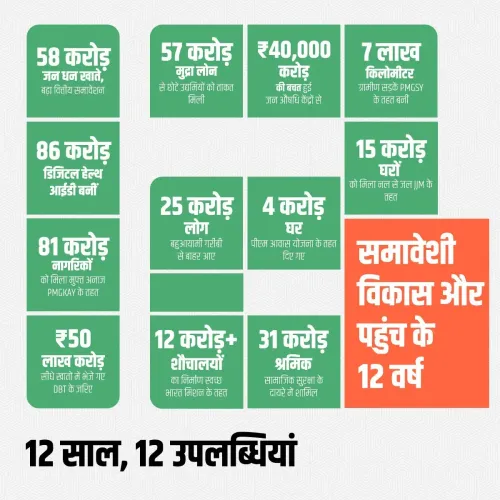
Seven schemes were cited: Jan Dhan Yojana , PM Awas Yojana , Ujjwala Yojana , Swachh Bharat Mission , Jal Jeevan Mission , Ayushman Bharat and Direct Benefit Transfer .
Ayushman Bharat provides health coverage of up to Rs 5 lakh per family to economically vulnerable households.
The schemes share a common design: Aadhaar-linked authentication and direct bank transfers targeting the lowest income deciles.
Singh framed the twelve-year record as fulfilment of the Antyodaya principle and a foundation for Viksit Bharat 2047 .
Future Union Budget allocations and parliamentary outcome evaluations of these programmes remain key watchpoints.
Union Defence Minister Rajnath Singh on Monday, 8 June 2026, marked twelve years of the NDA government under Prime Minister Narendra Modi by crediting a cluster of flagship welfare schemes with transforming delivery of public services to India's poorest citizens. Singh posted his remarks on X under the hashtag #12YearsOfGaribKalyan, enumerating seven major programmes and framing their collective impact as a fulfilment of the Antyodaya principle.
Context
Singh's post arrives as the NDA government completes twelve years in office, a milestone the ruling coalition has marked with coordinated messaging across ministries. The Defence Minister listed Jan Dhan Yojana, PM Awas Yojana, Ujjwala Yojana, Swachh Bharat Mission, Jal Jeevan Mission, Ayushman Bharat and Direct Benefit Transfer as the pillars of this welfare architecture. His statement characterised the twelve-year record as 'a testament to the Government's unwavering commitment to Antyodaya, inclusive development and the welfare of every citizen.'
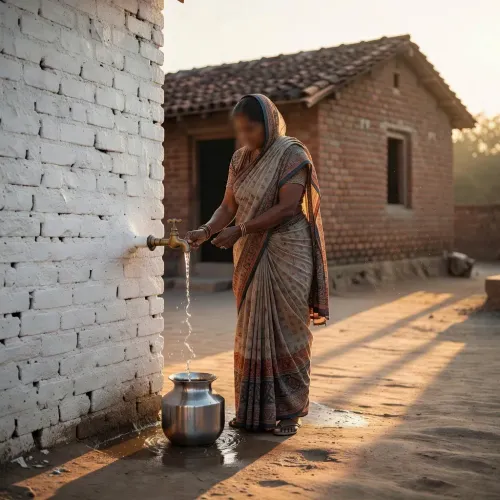
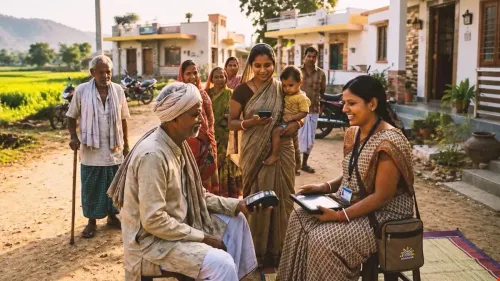
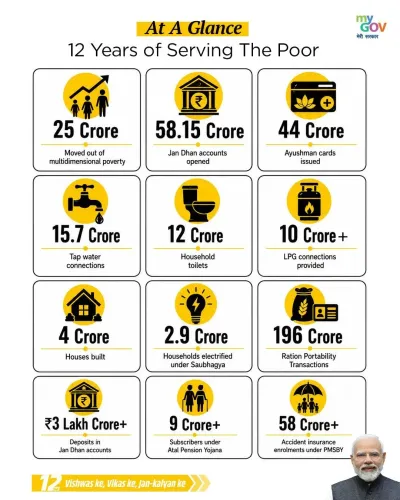
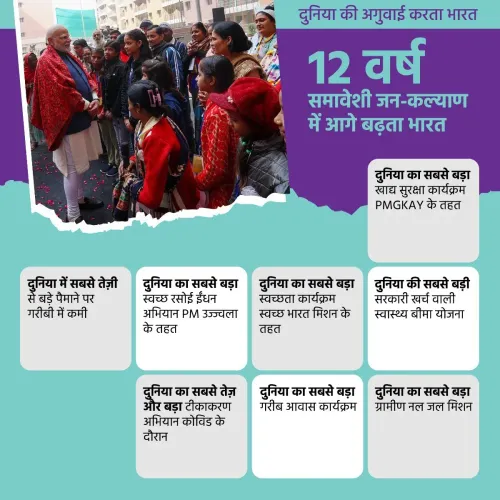
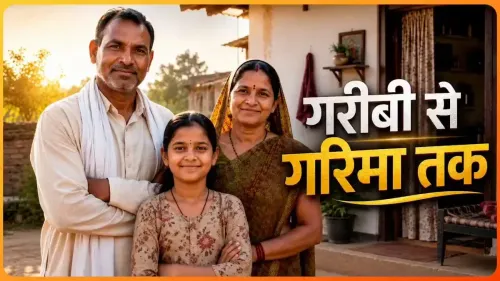
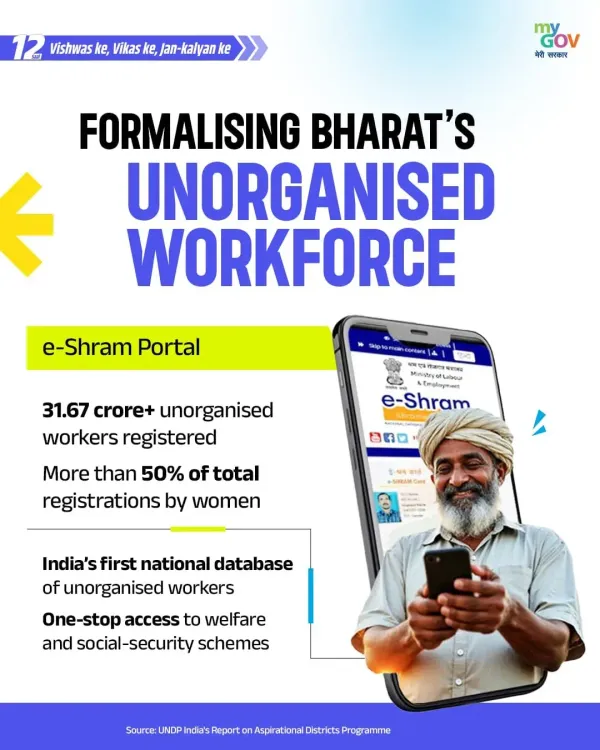
The post was accompanied by four images, signalling an organised communications push rather than an impromptu remark. Senior cabinet ministers across portfolios have used the occasion to amplify the government's welfare narrative ahead of future electoral cycles.
Policy Backdrop
Pradhan Mantri Jan Dhan Yojana, launched on 28 August 2014, was designed to bring unbanked households into the formal financial system through zero-balance accounts linked to Aadhaar. It laid the technological foundation for the Direct Benefit Transfer mechanism, which routes subsidies and cash assistance directly to beneficiaries, reducing leakage.
Swachh Bharat Mission, launched on 2 October 2014, targeted open-defecation-free status across Indian villages and towns. Ujjwala Yojana, introduced in 2016, provided liquefied petroleum gas connections specifically to women from below-poverty-line families, addressing indoor air pollution. Ayushman Bharat, launched in 2018, extended health insurance coverage of up to Rs 5 lakh per family to economically vulnerable households. Jal Jeevan Mission, announced in 2019, set out to deliver piped tap water to every rural household.
These programmes share a common design logic: universal eligibility for the lowest income deciles, Aadhaar-linked authentication and direct bank transfers, all of which the NDA frames as efficiency and anti-corruption measures. Together they form a foundational layer of the Viksit Bharat 2047 roadmap, which treats basic service delivery as a prerequisite for inclusive economic growth.
Stakeholders and Impact
The primary beneficiaries of these schemes are rural and peri-urban households, particularly women, agricultural labourers and those without formal employment. PM Awas Yojana targets eligible families in both rural and urban settings with subsidised housing, while Ujjwala Yojana specifically addressed the energy poverty faced by women who relied on biomass fuel for cooking.
Singh's framing of welfare delivery as a matter of 'transparency, efficiency and dignity' reflects the government's consistent emphasis on technology-enabled governance as a corrective to the leakages associated with older intermediary-based subsidy systems. Opposition parties have periodically contested coverage figures and questioned whether scheme benefits have reached the most marginalised, though those debates fall into the broader political discourse around welfare outcomes.
What's Next
Attention will now turn to forthcoming Union Budget allocations for these schemes and any parliamentary discussion on coverage audits and outcome evaluations. The Viksit Bharat 2047 framework means welfare spending will remain a central political and fiscal conversation as India approaches the midpoint between its independence centenary goal and the present. Singh's post, coming from the Defence Ministry rather than a social-sector portfolio, underscores how the twelve-year welfare record has become a whole-of-government political asset for the NDA.
Point of View
Technology-driven programme rather than a collection of isolated schemes — a framing that serves the party's broader electoral narrative. By invoking Antyodaya and Viksit Bharat in the same breath, the statement ties legacy welfare delivery to a future-oriented growth vision, making the record harder to dismiss as mere populism. The choice of a senior Defence Minister, rather than a social-sector counterpart, to anchor this message signals a whole-of-cabinet communications strategy. It also previews the terrain on which the NDA intends to contest the political debate: outcomes for the poorest, not just macroeconomic aggregates.
NationPress
23 Oct 2026
Frequently Asked Questions
What is #12YearsOfGaribKalyan?
#12YearsOfGaribKalyan is a hashtag used by NDA leaders to mark twelve years of the Modi government's welfare programmes, highlighting schemes such as Jan Dhan Yojana, PM Awas Yojana and Ayushman Bharat as evidence of inclusive governance since 2014.
What did Rajnath Singh say about NDA welfare schemes?
Rajnath Singh said the NDA government, under PM Modi's leadership, has redefined welfare delivery over twelve years through transparency, efficiency and dignity, citing seven flagship programmes that together address banking access, housing, cooking fuel, sanitation, water, healthcare and direct subsidy transfers.
What is Ayushman Bharat and how much coverage does it provide?
Ayushman Bharat is a government health insurance scheme launched in 2018 that provides coverage of up to Rs 5 lakh per year per family to economically vulnerable households, aiming to reduce out-of-pocket medical expenses for the poor.
What is the Antyodaya principle mentioned by Rajnath Singh?
Antyodaya, meaning 'upliftment of the last person,' is a governance philosophy that prioritises the welfare of the poorest and most marginalised citizens. The NDA government has used it as the guiding principle for its cluster of targeted welfare schemes.
What is Viksit Bharat 2047?
Viksit Bharat 2047 is the Indian government's long-term development vision to make India a developed nation by the centenary of its independence in 2047, with foundational welfare delivery — housing, health, water and financial inclusion — treated as prerequisites for inclusive growth.