Rajnath Singh: India Now a Global Defence Manufacturer
Synopsis
Union Defence Minister Rajnath Singh, posting on the eve of Independence Day 2026, declared India has become a global manufacturer and exporter of defence equipment. He cited unprecedented growth in production and exports as proof of the country's self-reliance, capability, and rising international standing.
Key Takeaways
Union Defence Minister Rajnath Singh declared on 14 August 2026 that India is now a manufacturer and exporter of defence equipment for the world.
He described the growth in defence production and exports as evidence of India's aatmanirbharta (self-reliance) and global recognition.
The Make in India initiative (2014) and Atmanirbhar Bharat Abhiyan (2020) form the policy backbone of India's defence indigenisation push.
The Ministry of Defence's negative import list , starting with 101 banned items in 2020 , has been a key driver of domestic production.
The post's Independence Day eve timing directly links strategic defence autonomy to the broader narrative of national sovereignty.
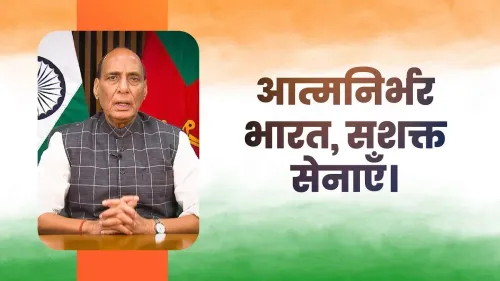
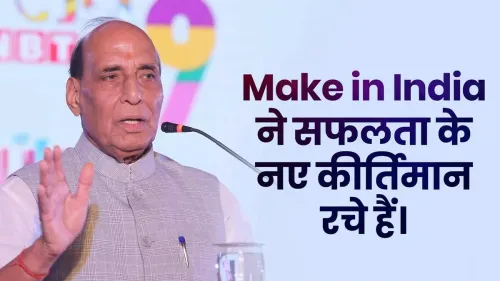
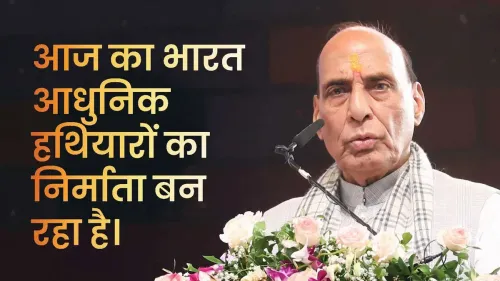
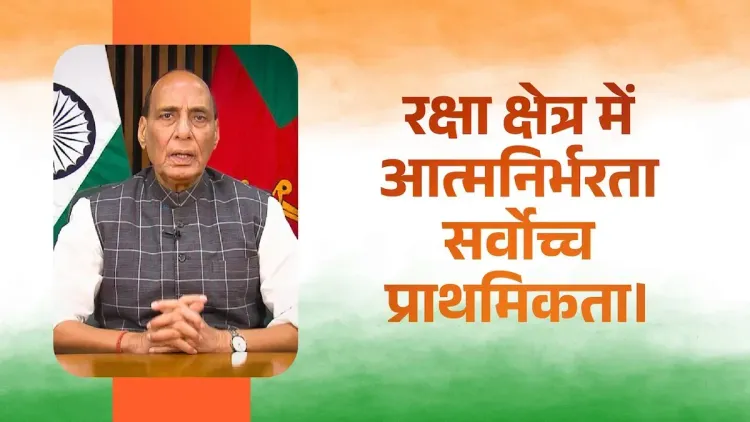
India is no longer just a buyer on the global arms market — it is becoming a builder for the world. On the eve of Independence Day, Union Defence Minister Rajnath Singh declared on 14 August 2026 that India has transformed into a manufacturer and exporter of defence equipment for the world, calling the surge in defence production and exports proof of the country's growing self-reliance, capability, and global standing.
In his post, Singh wrote — 'Bharat ab raksha upakaranon ka duniya ke liye nirmaata aur niryatak ban raha hai' — 'India is now becoming a manufacturer and exporter of defence equipment for the world.' He described the unprecedented growth in defence production and exports as evidence of India's aatmanirbharta (self-reliance), capability, and global recognition.
From Buyer to Builder: The Policy Shift That Made It Possible
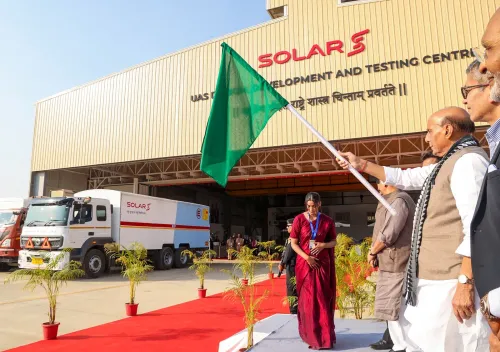
The journey from net importer to aspiring exporter did not happen overnight. It was architected through a sequence of deliberate policy moves. The Make in India initiative, launched in 2014, first designated defence as a priority sector, unlocking incentives for domestic production. Then in May 2020, the Atmanirbhar Bharat Abhiyan gave the push structural teeth — higher foreign direct investment limits, wider private-sector access, and a landmark negative import list banning 101 defence items to force indigenisation.
That list has since grown. The Ministry of Defence has issued successive negative lists covering hundreds of components, platforms, and systems — each addition a signal to domestic industry that the government's commitment is not rhetorical. The Defence Research and Development Organisation (DRDO) has been the technical backbone of this transition, developing indigenous platforms that reduce dependence on foreign suppliers.
The Independence Day Timing Is Deliberate
Singh's post lands on the eve of Independence Day — and that framing is not incidental. Posting on 14 August ties the defence self-reliance narrative directly to the founding idea of national sovereignty. For a government that has made aatmanirbharta a central political and economic identity, the message is calibrated: strategic autonomy in defence is the modern expression of independence.
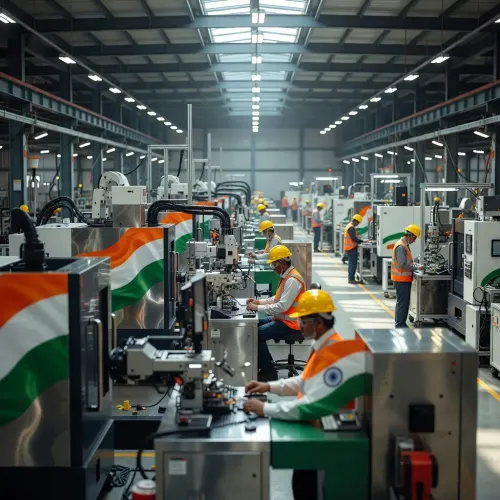
The broader pattern here is consistent. India has spent the better part of a decade reshaping its defence industrial base — combining public-sector reform with private participation, and pairing domestic production targets with export facilitation. Singh's statement fits squarely within that arc, framing rising output not as a work in progress but as an arrived reality.
Watch the next editions of DefExpo and Aero India for the concrete proof points: new indigenous platforms, export memoranda of understanding, and partnership deals that will either validate or test that claim on the world stage.
Point of View
Sovereignty-coded domain on the most resonant date in the calendar. The defence indigenisation arc, running from Make in India through successive negative import lists, gives the claim a genuine policy foundation, even if specific export figures remain unverified. For the BJP, positioning India as a defence exporter reframes the country's global role from dependent buyer to strategic supplier — a narrative with clear electoral and diplomatic utility. The real test will come at platforms like DefExpo and Aero India, where export MoUs and indigenous platform showcases will either substantiate or complicate the minister's framing.
NationPress
14 Aug 2026
Frequently Asked Questions
What did Rajnath Singh say about India's defence exports?
Rajnath Singh stated on 14 August 2026 that India is now becoming a manufacturer and exporter of defence equipment for the world, calling the growth in production and exports proof of the country's self-reliance and global standing.
What is India's Atmanirbhar Bharat policy in defence?
Atmanirbhar Bharat Abhiyan, launched in May 2020, is a national self-reliance initiative with defence manufacturing as a core pillar. It introduced higher FDI limits, private-sector entry into defence production, and a negative import list banning 101 defence items to accelerate indigenisation.
What is India's negative import list in defence?
The Ministry of Defence issued its first negative import list in 2020, banning 101 defence items from import to force domestic production. Successive lists have expanded the number of banned items, covering more components, platforms, and systems.
What role does DRDO play in India's defence manufacturing?
The Defence Research and Development Organisation (DRDO) is India's primary government agency for developing indigenous defence technologies and systems, serving as the technical backbone of the country's shift from importer to domestic producer.
Why is India's defence self-reliance significant on Independence Day?
Posting on Independence Day eve ties the defence indigenisation narrative to national sovereignty — the idea that strategic autonomy in defence is a modern expression of the independence India achieved in 1947, a framing the government has consistently used to give the policy emotional and political resonance.