Rajnath Singh visits Japan Maritime Self-Defense Force base in Yokosuka
Synopsis
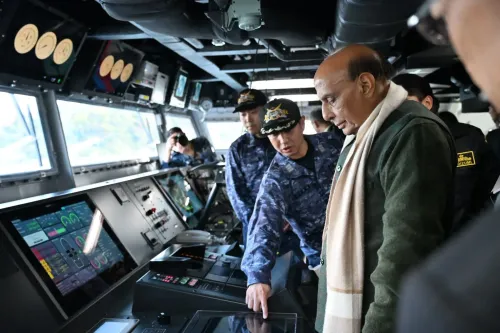
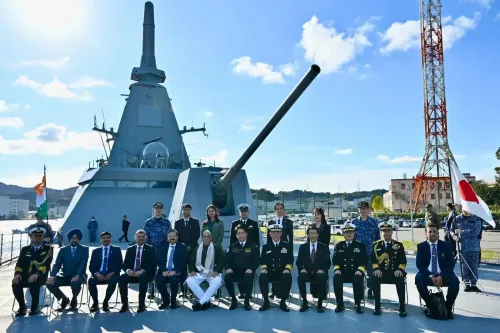
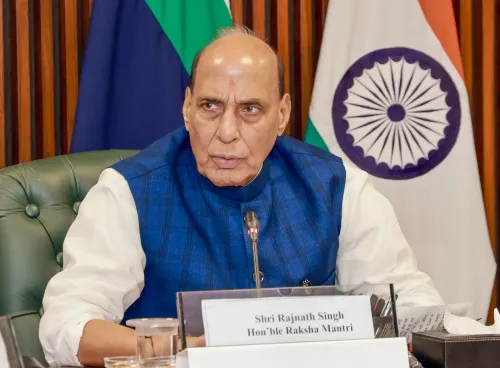
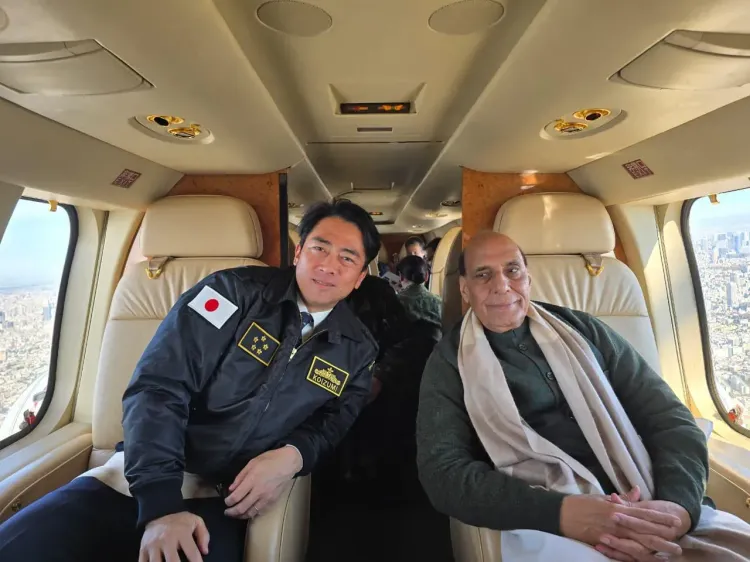
Union Defence Minister Rajnath Singh is visiting the JMSDF base at Yokosuka in Japan on 18 November 2026, hosted by Defence Minister Shinjiro Koizumi, deepening India-Japan maritime and defence cooperation under the two countries' Act East and Indo-Pacific frameworks.
Key Takeaways
Union Defence Minister Rajnath Singh is visiting the JMSDF base at Yokosuka, Kanagawa Prefecture , on 18 November 2026 .
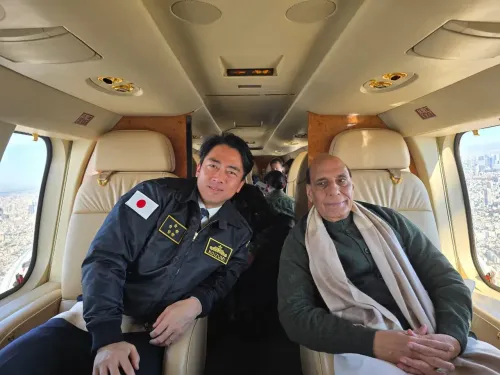
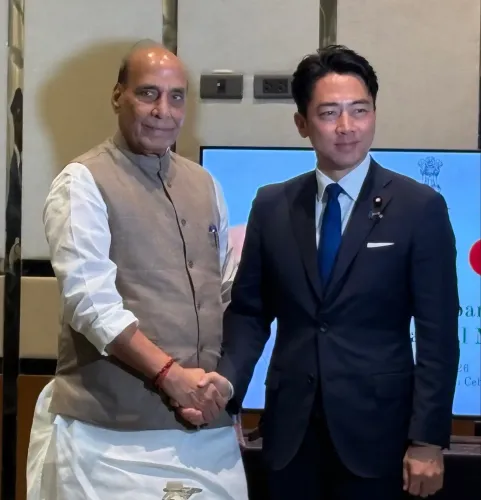
Singh is being hosted by Japanese Defence Minister Shinjiro Koizumi , with Singh noting 'wonderful hospitality' in his post.
Yokosuka is the principal base of Japan's Maritime Self-Defense Force and one of the most strategically significant naval installations in the Indo-Pacific.
India-Japan defence cooperation is anchored in the 2008 Joint Declaration on Security Cooperation and annual 2+2 ministerial meetings launched in 2019 .
The visit advances India's Act East Policy and Indo-Pacific strategy, with both countries also aligned as Quad partners.
Analysts are watching for announcements on defence equipment, technology cooperation, and the next 2+2 dialogue.
Aboard a visit that signals the quiet but steady deepening of India-Japan defence ties, Union Defence Minister Rajnath Singh is headed to the Japan Maritime Self-Defense Force (JMSDF) base at Yokosuka, one of the most strategically significant naval installations in the Indo-Pacific, on Wednesday, 18 November 2026. Singh noted he is receiving 'wonderful hospitality' from Japan's Defence Minister Shinjiro Koizumi — a warm signal of the bilateral warmth that has come to characterise high-level India-Japan defence engagement.
Yokosuka: The nerve centre of Japan's maritime power
The JMSDF base at Yokosuka, located in Kanagawa Prefecture southwest of Tokyo, is the principal homeport of Japan's Maritime Self-Defense Force and among the most consequential naval bases in East Asia. A visit here by an Indian Defence Minister is not a ceremonial photo-op — it is a deliberate statement of strategic proximity. For India, gaining a close look at how Japan organises and operates its premier maritime force feeds directly into the two countries' shared interest in a free and open Indo-Pacific.
A partnership built on two decades of architecture
The India-Japan defence relationship rests on a durable institutional scaffold. The India-Japan Joint Declaration on Security Cooperation, signed in 2008, first formalised the framework for defence exchanges. A decade later, both countries upgraded the channel significantly: annual 2+2 Foreign and Defence Ministerial meetings, which began in 2019, now serve as the premier forum for aligning security postures on issues ranging from maritime domain awareness to defence technology transfers.
Reciprocal visits to naval facilities — Indian admirals boarding Japanese destroyers, Japanese officials touring Indian shipyards — have become a recognisable feature of this relationship. Singh's stop at Yokosuka fits squarely in that tradition, adding ministerial weight to what is already a robust military-to-military calendar.
Act East meets the Indo-Pacific: why this visit matters
India's Act East Policy and its broader Indo-Pacific strategy both name Japan as a 'special strategic and global partner.' Defence Minister Singh's engagement with his Japanese counterpart, Shinjiro Koizumi — an LDP politician and son of former Prime Minister Junichiro Koizumi — reinforces the personal diplomatic layer that sits atop the institutional one. Agenda items watched closely by analysts include progress on defence equipment cooperation, interoperability between the two navies, and coordination on maritime security in the Indian Ocean and the Western Pacific.
India and Japan are also both members of the Quad — alongside the United States and Australia — giving their bilateral maritime conversations a multilateral echo that neither side can ignore.
When a defence minister visits an ally's most consequential naval base, the message is rarely confined to the visit itself — it is a signal to every other audience watching the Indo-Pacific map.
Point of View
The stop at Japan's premier naval base signals that maritime interoperability — not just policy statements — is the new currency of the relationship. For Tokyo, hosting India's Defence Minister at Yokosuka is equally deliberate: Japan has been steadily expanding its defence footprint and partnerships, and a close alignment with New Delhi strengthens its own Indo-Pacific posture. The next 2+2 dialogue and any defence equipment or technology announcements will reveal how much this visit translated into concrete deliverables.
NationPress
18 Nov 2026
Frequently Asked Questions
Why is Rajnath Singh visiting Japan?
Union Defence Minister Rajnath Singh is visiting Japan for high-level defence engagement, including a stop at the Japan Maritime Self-Defense Force base at Yokosuka, as part of India-Japan bilateral defence cooperation under the two countries' Act East and Indo-Pacific strategies.
What is the JMSDF base at Yokosuka?
The Japan Maritime Self-Defense Force base at Yokosuka, located in Kanagawa Prefecture, is the principal homeport of Japan's Maritime Self-Defense Force and one of the most strategically important naval bases in the Indo-Pacific region.
Who is Shinjiro Koizumi?
Shinjiro Koizumi is a Japanese LDP politician and Defence Minister, and the son of former Prime Minister Junichiro Koizumi.
What is the India-Japan 2+2 dialogue?
The India-Japan 2+2 Foreign and Defence Ministerial meeting is an annual high-level forum, launched in 2019, where the foreign and defence ministers of both countries meet to align their security and defence postures.
What is India's Act East Policy?
India's Act East Policy is a strategic initiative to deepen economic, diplomatic, and security engagement with East and Southeast Asian nations, with Japan identified as a 'special strategic and global partner' central to India's Indo-Pacific vision.