Jairam Ramesh links BRICS 2025 summit to Nehru's 1955 Bandung vision
Synopsis
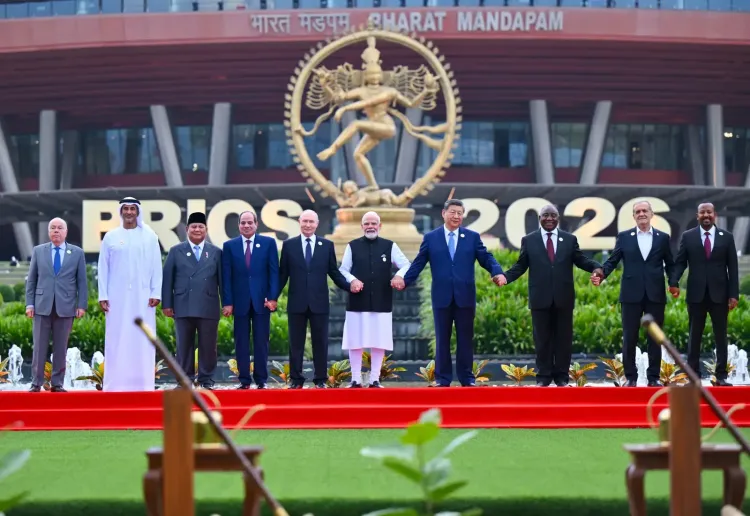
Jairam Ramesh used the BRICS New Delhi Declaration to stake a Nehruvian claim on the expanded bloc's multilateral ambitions, drawing a direct line to the 1955 Bandung Conference. It is as much a foreign-policy observation as a political dig — reminding the BJP that BRICS walks in Nehru's shadow.
Key Takeaways
Jairam Ramesh drew a parallel between the 18th BRICS summit and the 1955 Bandung Conference in a post on X .
He highlighted Paragraph 16 of the BRICS New Delhi Declaration , which explicitly invokes the Bandung principles of equality, non-intervention, and mutual benefit.
Ramesh described the expanded BRICS grouping as a 'high-tech, well-resourced' evolution of the Non-Aligned Movement vision championed by Jawaharlal Nehru .
He referenced scholar Vineet Thakur's article on Nehru's personal notes from the 22 April 1955 Bandung session.
The comparison is a political claim on foreign-policy lineage at a time when the BJP prefers a 'multi-alignment' framing over Nehruvian non-alignment.
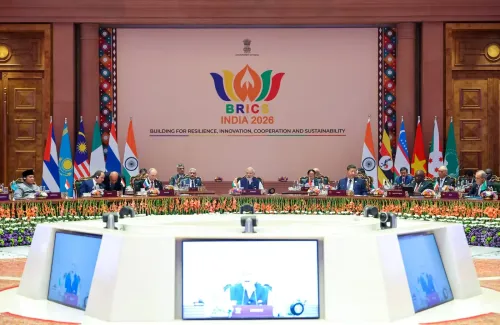
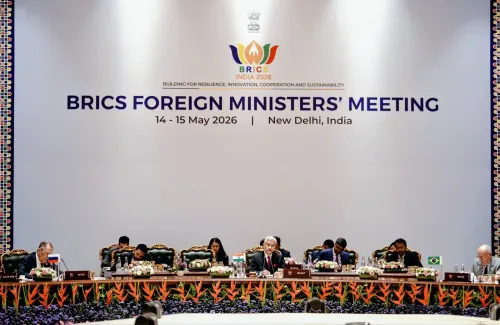
Congress General Secretary Jairam Ramesh on Saturday drew a striking historical parallel between the ongoing 18th BRICS summit in New Delhi and the landmark 1955 Bandung Conference, arguing that the expanded grouping carries forward the multilateral vision first articulated by India's first Prime Minister Jawaharlal Nehru and other Afro-Asian leaders seven decades ago.
What Ramesh Said on X
In a post on X (formerly Twitter), Ramesh shared an excerpt from the newly adopted BRICS New Delhi Declaration to place the current gathering firmly in the lineage of Nehru, Egypt's Gamal Abdel Nasser, and Indonesia's Sukarno. He described today's expanded BRICS as a 'high-tech, well-resourced and far more powerful evolution' of the cooperative vision of equality and mutual benefit that the Bandung meeting had seeded.
Ramesh specifically highlighted Paragraph 16 of the New Delhi Declaration, which states: 'We recall the 1955 Asian-African Conference in Bandung, Indonesia, that proclaimed general principles, including equality, independence, non-intervention, and mutual benefit. We stress that the Bandung Spirit serves as a reference in the pursuit of a fairer, more inclusive, and representative multilateral system.'
The Bandung Connection
The 1955 Bandung Conference brought together Asian and African nations determined to chart an independent course outside the competing Western and Soviet blocs, laying the intellectual groundwork for the Non-Aligned Movement. By invoking that gathering, Ramesh sought to frame the current summit not merely as a meeting of emerging economies but as the latest chapter in a long struggle for a fairer international system.
The Congress leader also recalled Nehru's personal jottings made on the afternoon of 22 April 1955 during the Bandung proceedings, directing readers to a recent article by scholar Vineet Thakur that examines Nehru's notes, doodles, and reflections from the historic gathering. This comes amid broader efforts by Indian political figures across the spectrum to claim ownership of the country's non-alignment legacy.
A Bollywood Flourish
Ramesh closed his post with a playful cultural reference, quoting the classic Bollywood song 'Tu jahan jahan chalega mera saya saath hoga' from the 1966 suspense thriller Mera Saaya, as a light-hearted nod to what he described as the enduring presence of the Bandung spirit in contemporary multilateral diplomacy.
Why It Matters
The comparison underscores the Congress leader's broader political argument: that the ruling Bharatiya Janata Party (BJP) government's engagement with BRICS, however welcome, builds on foundations laid by Nehru-era foreign policy rather than departing from it. Notably, the BJP has historically distanced itself from the Nehruvian non-alignment framework, preferring a 'multi-alignment' framing under Prime Minister Narendra Modi. Ramesh's invocation of Bandung is therefore as much a claim on intellectual lineage as it is a commentary on current diplomacy.
With the BRICS grouping now expanded beyond its original five members, the question of whether the bloc can deliver on the Bandung promise of a more equitable global order — or whether it remains a forum of convenience among disparate powers — will likely shape both diplomatic and domestic political debate in the months ahead.
Point of View
' distancing it from Nehruvian non-alignment. By pointing out that the BRICS declaration itself cites Bandung, Ramesh forces an uncomfortable acknowledgement: the ideological scaffolding of the summit the Modi government is hosting was erected by the very leader the ruling party routinely downplays. Whether BRICS in 2025 truly mirrors Bandung's spirit or merely borrows its language for declaratory convenience is a separate question — but politically, the Congress leader landed a pointed jab.
NationPress
28 Oct 2026
Frequently Asked Questions
What parallel did Jairam Ramesh draw between BRICS and Bandung?
Ramesh argued that the expanded BRICS grouping carries forward the vision of equality and mutual benefit first articulated at the 1955 Bandung Conference by Nehru, Nasser, and Sukarno. He highlighted Paragraph 16 of the BRICS New Delhi Declaration, which explicitly invokes the Bandung principles.
What is the 1955 Bandung Conference?
The Bandung Conference was a gathering of Asian and African nations in Bandung, Indonesia, in April 1955. It laid the groundwork for the Non-Aligned Movement by proclaiming principles of equality, independence, and non-intervention outside the Western and Soviet blocs.
What does Paragraph 16 of the BRICS New Delhi Declaration say?
It recalls the 1955 Asian-African Conference in Bandung and its principles of equality, independence, non-intervention, and mutual benefit. It states that the 'Bandung Spirit' serves as a reference for pursuing a fairer and more inclusive multilateral system.
Why is the Bandung–BRICS comparison politically significant in India?
The BJP-led government has favoured a 'multi-alignment' foreign policy framing, distancing itself from Nehruvian non-alignment. Ramesh's comparison is a political claim that BRICS builds on Nehru-era foundations, challenging the ruling party's narrative.
What cultural reference did Ramesh use in his post?
Ramesh quoted the classic Bollywood song 'Tu jahan jahan chalega mera saya saath hoga' from the 1966 film Mera Saaya, using it as a metaphor for the enduring influence of the Bandung spirit in modern multilateral diplomacy.