CM Saini Hails 12 Years of Stronger National Security Under Modi
Synopsis
Haryana CM Nayab Singh Saini marked 12 years of the Modi government by crediting it with a decisive shift in India's national security — from surgical strikes and border infrastructure to cybersecurity and intelligence reforms — framing security as the foundation of the Viksit Bharat vision.
Key Takeaways
Haryana CM Nayab Singh Saini posted on 17 June 2026 under #12YearsOfSurakshitBharat , crediting PM Modi with transforming India's national security since 2014 .
The post specifically cited the 2016 surgical strikes across the Line of Control as a landmark shift in India's counter-terrorism posture.
CM Saini highlighted digital surveillance, a cybersecurity framework, and intelligence coordination as key upgrades to India's security capabilities.
Border infrastructure and connectivity in border areas were presented as dual-purpose investments — reinforcing security while driving local economic development.
The post links national security directly to the #ViksitBharat (Developed India) goal, framing a secure environment as a prerequisite for self-reliance, investment, and global leadership.
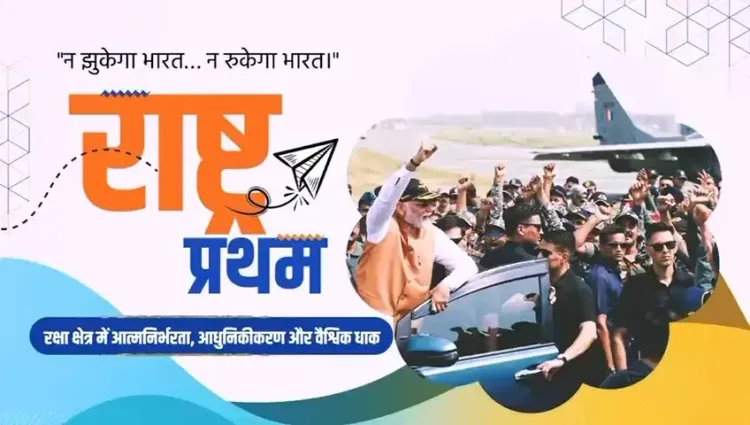
Haryana Chief Minister Nayab Singh Saini on Wednesday, 17 June 2026, credited Prime Minister Narendra Modi's twelve years in office with transforming India's national security architecture, citing surgical strikes, border infrastructure, and digital surveillance as pillars of what he called a 'decisive change' in the country's security posture.
Context
Posting under the hashtag #12YearsOfSurakshitBharat (12 Years of a Secure India), CM Saini wrote that since 2014, India had experienced a 'decisive transformation' (निर्णायक परिवर्तन) in the direction of strengthening national security and securing citizens' futures. He attributed this shift to what he described as Modi's 'visionary leadership and people-centric policies,' which, he argued, have made security the 'cornerstone of development' and instilled confidence and stability in every citizen.
The post comes as the BJP marks a symbolic milestone — twelve years since the party came to power at the Centre in May 2014 — and reflects a coordinated messaging effort across party ranks to consolidate the government's national security narrative.
Policy Backdrop
CM Saini specifically invoked the 2016 surgical strikes across the Line of Control — conducted following the Uri attack in September of that year — as a landmark example of India's shift toward proactive counter-terrorism. He noted that a 'strict policy against terrorism' and 'modernisation of the security apparatus' had given India's defence framework 'new strength' over the past twelve years.
On the digital front, the post pointed to improvements in digital surveillance, a strengthened cybersecurity framework, and better intelligence coordination as factors that have made India more capable of dealing with emerging threats. These measures align with the government's broader push since 2014 under the Make in India defence production initiative, which sought greater indigenisation of military hardware and technology.
The abrogation of Article 370 in August 2019, which fully integrated Jammu and Kashmir into the Indian Union, is also part of this policy lineage — a move the government has consistently presented as a step toward improving internal security management in the region.
Stakeholders and Impact
CM Saini highlighted that modern infrastructure, improved connectivity, and development in border areas had simultaneously reinforced security and accelerated local economic growth. He argued that a secure environment has created 'favourable conditions for economic activity, investment, and innovation' — framing national security not as an end in itself but as an enabler of prosperity.
The post's beneficiaries, as described, span defence forces, border communities, and the broader civilian population. For border regions in particular, the convergence of strategic infrastructure projects with security objectives has been a recurring theme of central government policy since 2014.
What's Next
CM Saini concluded by asserting that India has emerged as a nation that is 'alert, capable, and decisive' about its own security. He linked this to the larger vision of #ViksitBharat (Developed India), framing a secure nation as a prerequisite for achieving self-reliance, development, and global leadership.
Looking ahead, parliamentary discussions on the next defence budget and potential legislation on cybersecurity or border infrastructure in the upcoming monsoon session will be key markers of whether the policy commitments invoked in this narrative translate into new legislative or fiscal action.
Point of View
Deploying the surgical strikes and border infrastructure as the most resonant symbols of a security-first governance narrative. By tying national security to economic development and the Viksit Bharat slogan, the party is attempting to broaden the appeal of its defence record beyond traditional hawk constituencies to include investors, border communities, and aspirational voters. The timing — amid ongoing geopolitical sensitivities and ahead of a likely defence budget debate — gives the messaging a policy anchor beyond mere anniversary rhetoric. Whether this narrative sustains scrutiny will depend on concrete legislative and budgetary outcomes in the coming monsoon session.
NationPress
20 Sept 2026
Frequently Asked Questions
What is #12YearsOfSurakshitBharat?
#12YearsOfSurakshitBharat is a BJP hashtag campaign marking twelve years of the Narendra Modi government (since May 2014), highlighting the administration's claimed achievements in national security, border infrastructure, and defence modernisation.
What did Haryana CM Nayab Singh Saini say about national security?
CM Saini said India has experienced a 'decisive transformation' in national security since 2014, crediting PM Modi's leadership for measures including the 2016 surgical strikes, cybersecurity upgrades, border infrastructure development, and improved intelligence coordination.
What were the 2016 surgical strikes that CM Saini mentioned?
The 2016 surgical strikes were cross-Line of Control military operations conducted by Indian forces in September 2016 following the Uri attack, widely regarded as a significant departure from India's previous policy of restraint in responding to cross-border terrorism.
How does the BJP connect national security to Viksit Bharat?
The BJP argues that a stable and secure environment is a prerequisite for economic growth, investment, and innovation — framing security achievements as foundational to the broader Viksit Bharat (Developed India) vision of self-reliance and global leadership by 2047.
What is Make in India in defence?
Make in India in defence is a government initiative launched in 2014 aimed at reducing India's dependence on imported military hardware by boosting domestic defence manufacturing and technology indigenisation.