Karnataka bus fares will fall if Centre cuts fuel prices: Shivakumar
Synopsis
Karnataka CM D.K. Shivakumar has thrown the bus-fare controversy back at the Centre — pledging to cut fares if the Union government reduces fuel taxes, while revealing that state transport corporations nearly ran out of diesel money. The move reframes a state-level pricing row as a federal fiscal fight, right before the opposition's statewide protest.
Key Takeaways
Shivakumar said bus fares will be reduced if the Centre cuts petrol and diesel prices , speaking at Vidhana Soudha on 4 November .
Transport corporations were reportedly left with funds for only 10 to 21 days of diesel before the government intervened financially.
The Shakti scheme — free bus travel for women — has added to the financial burden on transport corporations, contributing to a fare hike of ₹2–₹3 on certain routes.
Shivakumar challenged opposition parties to urge PM Narendra Modi to cut cesses and taxes on fuel rather than protest state-level fare revisions.
The CM clarified that the milk price variation — ₹12 per litre in some areas versus the announced ₹8 — is due to differences in quality and fat content across milk varieties.
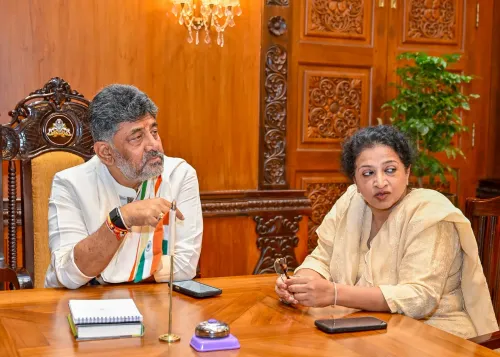
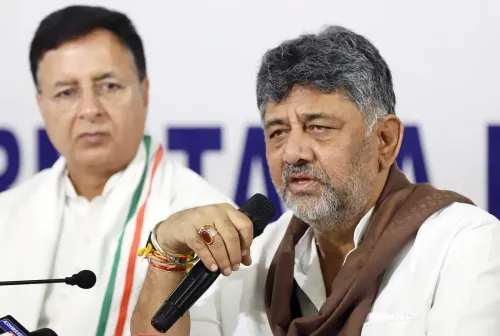
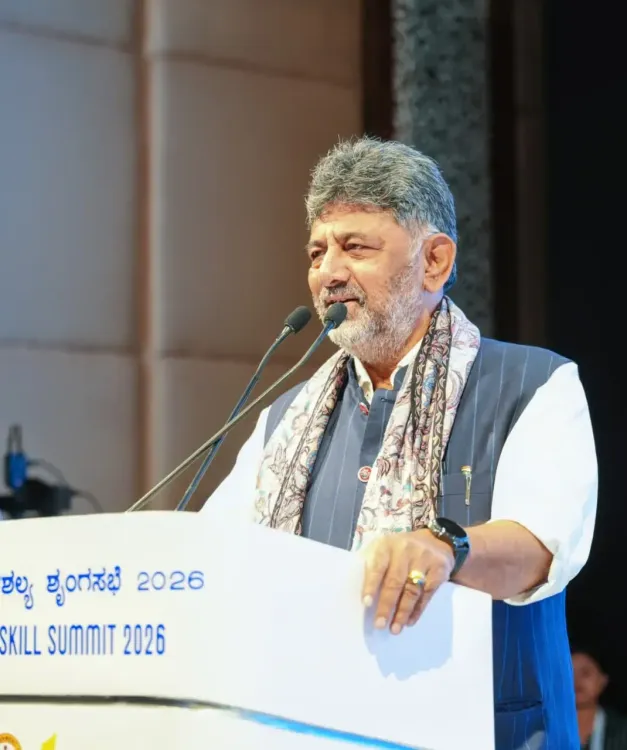
Karnataka Chief Minister D.K. Shivakumar on Wednesday, 4 November said the state government will reduce bus fares if the Central government brings down petrol and diesel prices. The Chief Minister made the remarks at Vidhana Soudha in Bengaluru while responding to media questions about an opposition-called statewide protest against the recent hike in bus fares.
Why Bus Fares Were Raised
Shivakumar defended the fare revision, stating that Karnataka's transport corporations had been running at a loss and had reportedly reached a point where they lacked sufficient funds to purchase diesel for even the next 10 to 21 days. 'The Government had to step in and provide the necessary financial assistance,' he said.
He also attributed part of the financial strain to the state's flagship 'Shakti' scheme, which provides free bus travel for women. The scheme, while socially beneficial, has placed an additional burden on the transport corporations' finances, he noted. As a result, fares on certain routes were increased by ₹2 to ₹3.
Shivakumar Challenges the Opposition
Turning the tables on the opposition, Shivakumar questioned why parties protesting the bus fare hike had remained silent when petrol and diesel prices were raised at the Centre. 'Why did they not raise their voices when cooking gas prices went up? Why did they not protest against the increase in the prices of fertilisers, pesticides, steel, cement and medicines?' he asked.
He went further, challenging opposition parties to appeal to Prime Minister Narendra Modi to reduce the cesses and taxes levied on fuel. 'Let the opposition parties appeal to the Prime Minister to reduce the burden of cesses and taxes levied on petrol and diesel. If the Central government reduces fuel prices, the state government will take appropriate steps accordingly,' Shivakumar said.
On Farmers and the Drought
The Chief Minister acknowledged the hardship facing farmers amid an ongoing drought in Karnataka. 'I am fully aware of the hardships faced by farmers during the ongoing drought in the state. We understand their difficulties and struggles,' he said, while simultaneously asserting that transport corporations must remain financially viable and be allowed to recover from their fiscal difficulties.
Clarification on Milk Price Variation
Separately, Shivakumar addressed reports that milk prices in some areas had risen by ₹12 per litre rather than the announced ₹8 per litre. He clarified that the variation stems from differences in quality and fat content across milk varieties — including regular milk, milk from desi cows, and buffalo milk — and urged consumers to understand these distinctions.
The political standoff over fuel taxes and transport pricing is likely to intensify ahead of the opposition's statewide protest on Thursday, 5 November, with both sides now squarely blaming the other for the burden on commuters and farmers.
Point of View
He shifts accountability upward while avoiding a direct rollback that would deepen transport corporation losses — which are real, not manufactured. What mainstream coverage is missing is the deeper tension between Karnataka's social schemes like Shakti and the fiscal health of the public transport network: the two are in direct conflict, and the state has not yet articulated how it will fund both sustainably. The opposition's protest is opportunistic, but the underlying question — who bears the cost of subsidised mobility — deserves a more honest answer than a Centre-blame deflection.
NationPress
4 Nov 2026
Frequently Asked Questions
Why did Karnataka increase bus fares?
Karnataka raised bus fares by ₹2 to ₹3 on certain routes because state transport corporations were running at a loss and had reportedly run low on funds — with barely enough to buy diesel for 10 to 21 days. The state government had to provide emergency financial assistance to keep the buses running.
What is the Shakti scheme and how does it relate to the bus fare hike?
The Shakti scheme provides free bus travel to women across Karnataka. While it is a flagship welfare initiative, Chief Minister Shivakumar acknowledged that it has placed an additional financial burden on the transport corporations, contributing to the need for a fare revision.
What is Shivakumar's condition for reducing bus fares?
Shivakumar has said the state government will reduce bus fares if the Central government cuts petrol and diesel prices by reducing cesses and taxes. He challenged opposition parties to appeal to Prime Minister Narendra Modi on this front instead of protesting at the state level.
Why are milk prices higher than announced in some areas of Karnataka?
Chief Minister Shivakumar clarified that the variation — ₹12 per litre in some places versus the announced ₹8 — is due to differences in milk quality and fat content. Regular milk, desi cow milk, and buffalo milk are priced differently based on their fat composition.
What is the opposition protesting about?
Opposition parties called for a statewide protest on 5 November against the hike in bus fares in Karnataka. Shivakumar countered by questioning why they had not protested when fuel, cooking gas, fertiliser, and other essential commodity prices rose under the Central government.