Sikkim Assembly passes AYUSH Medical Council Bill 2026 to regulate practitioners
Synopsis
Sikkim has passed a landmark Bill to create a statutory AYUSH Medical Council — the first dedicated regulatory body for traditional medicine practitioners in the Himalayan state. The move plugs a long-standing governance gap, aligns with the NCISM Act 2020, and could open doors for AYUSH colleges and wellness centres in a state uniquely positioned to leverage Sowa Rigpa and Naturopathy.
Key Takeaways
The Sikkim Legislative Assembly passed the Sikkim Medical Council for Indian System of Medicine Bill, 2026 on 22 July 2026 .
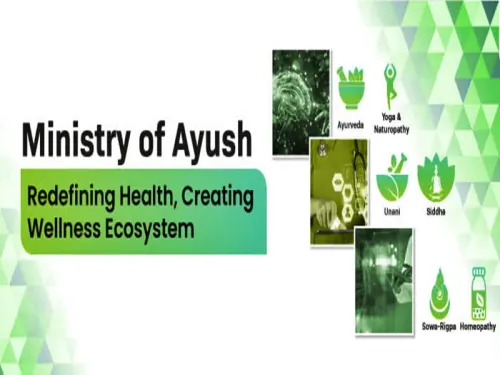
The Bill establishes a statutory council to regulate practitioners of Ayurveda, Yoga, Naturopathy, Unani, Siddha, Sowa Rigpa, and Homoeopathy .
The legislation aligns with the National Commission for Indian System of Medicine (NCISM) Act, 2020 .
Sikkim currently has no statutory mechanism to regulate AYUSH practitioners — a gap this Bill directly addresses.
Financial outlay for the Council will come from future budgetary allocations; no immediate burden on the State Consolidated Fund .
Dhungel said the Council will facilitate AYUSH colleges, wellness centres, and employment opportunities across the state.
The Sikkim Legislative Assembly on 22 July 2026 passed the Sikkim Medical Council for Indian System of Medicine Bill, 2026, clearing the path for a dedicated statutory body to regulate AYUSH practitioners across the Himalayan state. The legislation fills a long-standing regulatory gap and aligns Sikkim with the national framework established under the National Commission for Indian System of Medicine (NCISM) Act, 2020.
What the Bill Establishes
The new law creates the Sikkim Medical Council for Indian System of Medicine as the state's statutory regulatory authority for practitioners of Ayurveda, Yoga and Naturopathy, Unani, Siddha, Sowa Rigpa, and Homoeopathy. The Bill was passed during the Budget Session 2026-27 of the Assembly, according to officials.
The Council will be empowered to register and renew qualified practitioners, enforce professional ethics and standards, initiate disciplinary proceedings, inspect and recognise educational institutions, maintain academic standards and qualifying examinations, and regulate AYUSH medical colleges in line with central law.
Why the Legislation Was Needed
According to the Statement of Objects and Reasons of the legislation, Sikkim currently lacks a statutory mechanism to regulate the registration, professional conduct, and practice of AYUSH practitioners. This absence made the creation of a dedicated regulatory body essential, officials noted.
Notably, this Council is framed as the logical institutional successor to the state's existing AYUSH Department — while the department sets policy and runs programmes, a statutory regulator is required to maintain a credible practitioners' register and enforce ethical standards. This is a distinction that several other states have already formalised under the NCISM framework.
Key Powers and Financial Provisions
The Bill authorises both the Central and State governments to provide grants to the Council for its statutory functions. Financial implications are yet to be fully determined; however, the government stated that establishment costs will be met through future budgetary allocations, without imposing any immediate recurring or non-recurring burden on the State's Consolidated Fund.
What Lawmakers Said
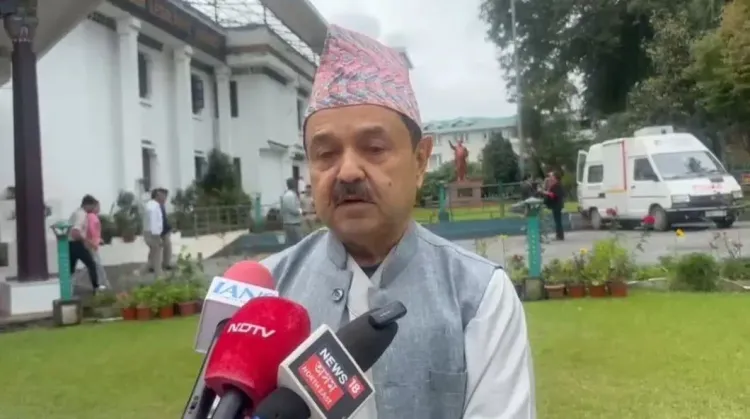
MLA G.T. Dhungel described the legislation as a significant milestone in strengthening the institutional framework for AYUSH in Sikkim. He said the Council would help facilitate the establishment of medical institutions, colleges, and wellness centres across the state, creating new educational and employment avenues for young people in traditional systems of medicine.
Dhungel also noted that traditional practices including Naturopathy and Sowa Rigpa — the latter being a Himalayan healing tradition — have long been valued for their holistic approach to healthcare, and that a robust regulatory framework is expected to expand their role in Sikkim's healthcare delivery system.
Broader Significance
The passage of the Bill positions Sikkim as a state that has moved to formally integrate traditional medicine into its mainstream health governance architecture. With AYUSH gaining policy momentum at the national level, a dedicated state council could attract investment in wellness tourism and AYUSH education — sectors where Sikkim's geography and cultural heritage offer a natural advantage. Implementation timelines and the Council's composition are expected to be notified in the coming months.
Point of View
Staffed, and made functional. Several states that passed similar legislation under the NCISM framework have seen councils remain dormant for years due to delayed appointments and funding gaps. Sikkim's decision to defer financial quantification to future budgets is a pragmatic hedge, but it also risks postponing the Council's operationalisation. The inclusion of Sowa Rigpa — a healing tradition with deep roots in the Himalayan belt — is the most distinctive element here, and one that could give Sikkim a differentiated identity in the national AYUSH landscape if the regulatory architecture is built with that specificity in mind.
NationPress
21 Oct 2026
Frequently Asked Questions
What is the Sikkim Medical Council for Indian System of Medicine Bill, 2026?
It is a state legislation passed by the Sikkim Legislative Assembly on 22 July 2026 to establish a statutory council that will register, regulate, and oversee practitioners of AYUSH — Ayurveda, Yoga and Naturopathy, Unani, Siddha, Sowa Rigpa, and Homoeopathy — in Sikkim. The Bill aligns the state with the National Commission for Indian System of Medicine (NCISM) Act, 2020.
Why did Sikkim need a dedicated AYUSH Medical Council?
Sikkim previously lacked any statutory mechanism to regulate the registration, professional conduct, and practice of AYUSH practitioners. The new Council fills this gap by providing a formal regulatory body to maintain a practitioners' register, enforce ethics, and oversee AYUSH education in the state.
Which traditional medicine systems does the new Council cover?
The Council will regulate practitioners of Ayurveda, Yoga and Naturopathy, Unani, Siddha, Sowa Rigpa, and Homoeopathy — collectively referred to as AYUSH. Sowa Rigpa, a traditional Himalayan healing system, is notably included.
What are the Council's key powers under the new law?
The Council is empowered to register and renew qualified practitioners, enforce professional ethics, initiate disciplinary proceedings, inspect and recognise educational institutions, maintain qualifying examination standards, and regulate AYUSH medical colleges in line with central law.
How will the Sikkim AYUSH Medical Council be funded?
Both the Central and State governments are authorised to provide grants to the Council. The government has stated that establishment costs will be met through future budgetary allocations, without any immediate recurring or non-recurring burden on Sikkim's Consolidated Fund.