Sonowal, Gadkari, Conrad Sangma meet at NE Summit
Synopsis
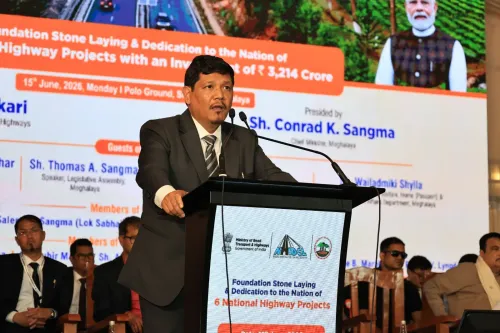
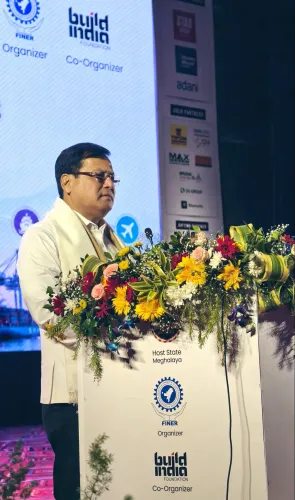
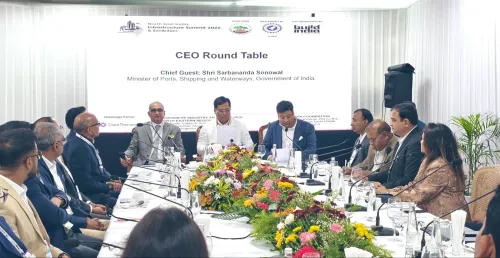
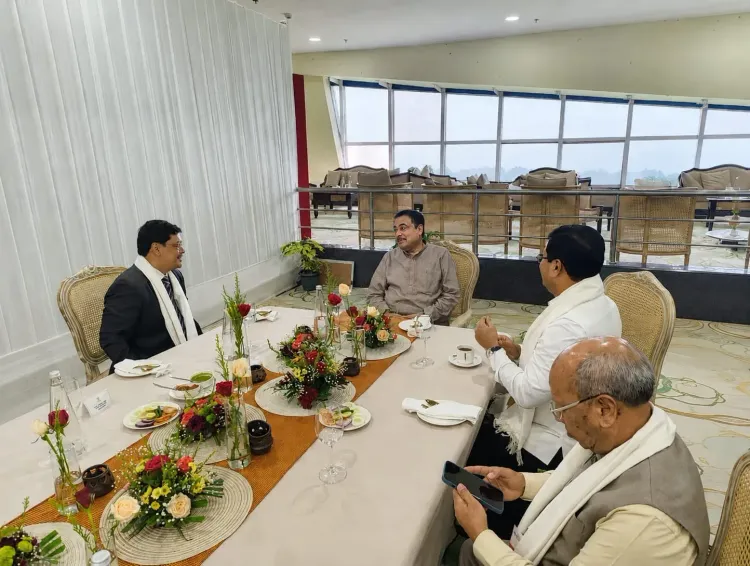
Union Minister Sarbananda Sonowal met Nitin Gadkari and Meghalaya CM Conrad Sangma at the North East India Infrastructure Summit in Shillong on 15 June 2026, pledging a seamless multimodal ecosystem linking highways and waterways across the Northeast.
Key Takeaways
Union Minister Sarbananda Sonowal met Nitin Gadkari and Meghalaya CM Conrad Sangma on the sidelines of the North East India Infrastructure Summit in Shillong on 15 June 2026 .
The three leaders discussed building a 'seamless world-class multimodal ecosystem' covering both highways and waterways for the Northeast.
The meeting aligns with the PM Gati Shakti National Master Plan (2021) , which mandates integrated multimodal planning across central ministries.
Policy groundwork includes the Act East Policy (2014) , Bharatmala Pariyojana (2015) , and the National Waterways Act 2016 .
Northeast traders, logistics operators, and cross-border trade with Bangladesh and Bhutan are key beneficiaries of improved connectivity.
Concrete project timelines are expected to emerge at forthcoming Union Budget sessions or North Eastern Council meetings.
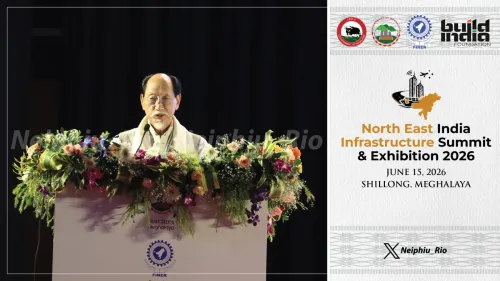
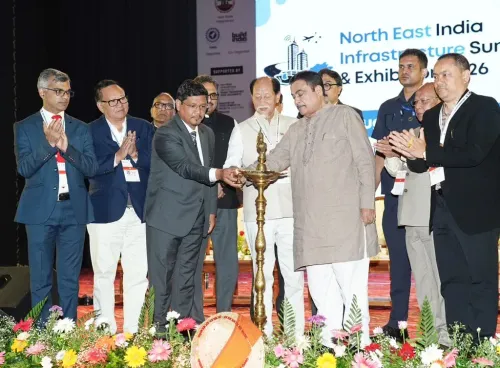
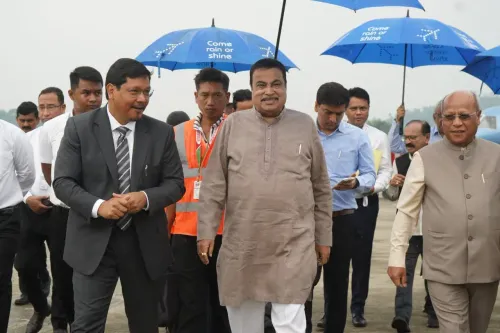
Union Minister of Ports, Shipping and Waterways Sarbananda Sonowal met Union Road Transport Minister Nitin Gadkari and Meghalaya Chief Minister Conrad Sangma on the sidelines of the North East India Infrastructure Summit in Shillong on Monday, 15 June 2026, signalling fresh momentum for a coordinated multimodal connectivity push across the Northeast.
Context
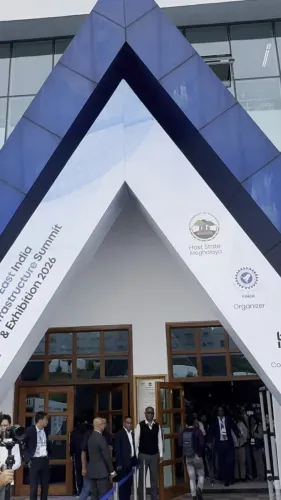
Sonowal described the trilateral meeting as 'great synergy for Northeast's growth,' noting that the three leaders discussed building 'a seamless world-class multimodal ecosystem for the region' spanning highways and waterways. The North East India Infrastructure Summit in Shillong served as the backdrop, bringing together central ministers and state governments to align large-scale development projects across the eight northeastern states.
The presence of both the road transport and the ports-and-waterways ministers at the same forum underscores the Centre's intent to move beyond siloed infrastructure planning and integrate road and inland water corridors under a single strategic framework.
Policy Backdrop
The meeting draws on a long policy lineage. The Act East Policy, upgraded in 2014, made Northeast connectivity a strategic priority, targeting road, rail, and waterway links to open trade corridors toward ASEAN. The Bharatmala Pariyojana, launched in 2015, earmarked multiple national highway corridors running through the northeastern states.
The National Waterways Act 2016 expanded Inland Water Transport on rivers including the Brahmaputra and the Barak, while the PM Gati Shakti National Master Plan, announced in 2021, mandated integrated multimodal planning across ministries — precisely the kind of cross-ministry coordination that the Shillong meeting exemplifies. Sonowal's ministry and Gadkari's Ministry of Road Transport and Highways are two of the principal implementing agencies under Gati Shakti.
Stakeholders and Impact
Northeast traders and logistics operators stand to benefit most directly from any convergence between highway expansion and inland waterway development. Better multimodal links could cut freight costs and transit times on routes that currently depend almost entirely on road transport through difficult terrain.
Conrad Sangma, leading Meghalaya's National People's Party government, brings a state-level perspective to the table: Meghalaya shares international borders with Bangladesh and Bhutan, making cross-border trade facilitation a direct downstream benefit of improved internal connectivity. Centre-state alignment at summits like this one has increasingly become the operational mechanism for translating national schemes into on-ground project timelines.
What's Next
Analysts and industry observers will watch for concrete project announcements in the next Union Budget or at forthcoming North Eastern Council meetings, where integrated multimodal corridor timelines under PM Gati Shakti are expected to be formalised. The Shillong meeting, though a sideline interaction, adds political weight to calls for a single-window coordination mechanism between road and waterway agencies in the region.
If the momentum translates into joint project notifications, the Northeast could see its first fully integrated highway-waterway freight corridors — a development that would redefine the region's role in India's broader Act East trade strategy.
Point of View
Moving from ministry-by-ministry project lists to joint multimodal planning sessions. Sonowal's simultaneous presence at a road-transport-dominated summit signals that the Ministry of Ports, Shipping and Waterways is asserting waterways as an equal pillar in the Northeast connectivity matrix, not an afterthought. The inclusion of a state chief minister reinforces the Gati Shakti model of centre-state co-ownership, which is politically useful for the BJP in a region where coalition arithmetic with parties like the NPP is important. The real test will be whether this synergy produces binding project timelines before the next general election cycle.
NationPress
14 Sept 2026
Frequently Asked Questions
What was discussed at the North East India Infrastructure Summit in Shillong?
The summit brought together central ministers and state leaders to coordinate large-scale infrastructure projects in the Northeast, with Sonowal, Gadkari, and Conrad Sangma meeting on the sidelines to align highway and waterway development plans.
Who is Sarbananda Sonowal?
Sarbananda Sonowal is the Union Minister of Ports, Shipping and Waterways, a senior BJP leader, and a former Chief Minister of Assam.
What is PM Gati Shakti and how does it relate to the Northeast?
PM Gati Shakti is a National Master Plan announced in 2021 that mandates integrated multimodal planning across central ministries; it is a key framework under which road and waterway projects in the Northeast are being coordinated.
How does this meeting affect Northeast traders and logistics operators?
Better coordination between highway and inland waterway projects could reduce freight costs and transit times in the Northeast, directly benefiting traders and logistics operators who currently rely almost entirely on road transport through difficult terrain.
What is the Act East Policy and its connection to Northeast infrastructure?
The Act East Policy, upgraded in 2014, made Northeast connectivity a strategic priority to open trade corridors toward ASEAN nations; it underpins current investments in roads, railways, and waterways across the eight northeastern states.