Sonowal hails INS Sanshodhak induction on World Hydrography Day
Synopsis
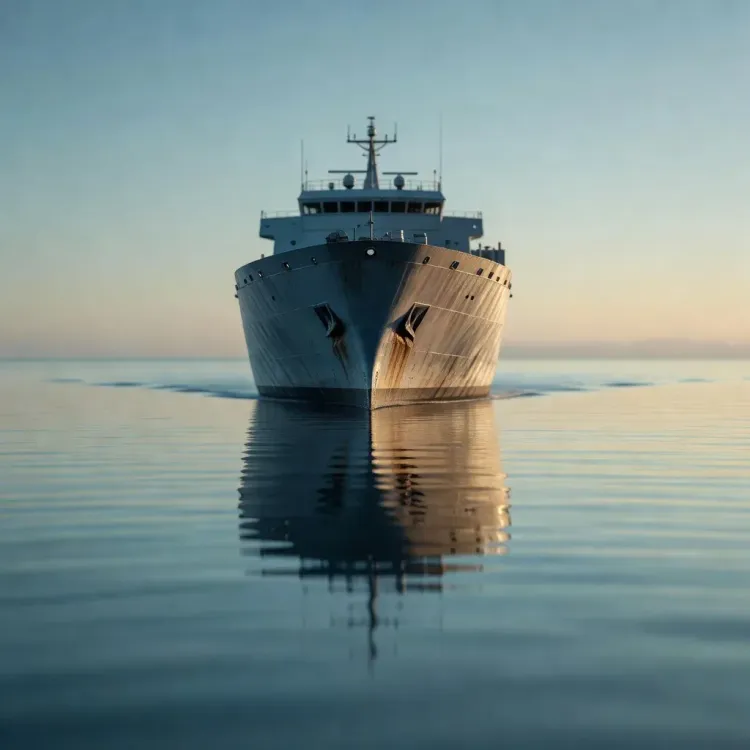
Union Minister Sarbananda Sonowal on 21 June 2026 hailed the induction of INS Sanshodhak — India's most advanced hydrographic ship — into the Indian Navy, calling the timing on World Hydrography Day fitting and underscoring that India's prosperity and security are inextricably linked to the seas.
Key Takeaways
INS Sanshodhak has been inducted into the Indian Navy as India's most advanced hydrographic survey vessel.
The induction coincided with World Hydrography Day on 21 June 2026 , an annual observance promoted by the International Hydrographic Organisation .
Union Minister Sarbananda Sonowal linked the development to India's 'blue economy' vision and the argument that national prosperity and security are tied to maritime strength.
India's Naval Hydrographic Office has operated since 1954 , producing nautical charts and supporting safe navigation.
The induction aligns with the SAGAR vision announced in 2015 , which prioritised hydrographic cooperation across the Indian Ocean Region .
Hydrographic data from the vessel will serve both commercial port development and military maritime domain awareness.
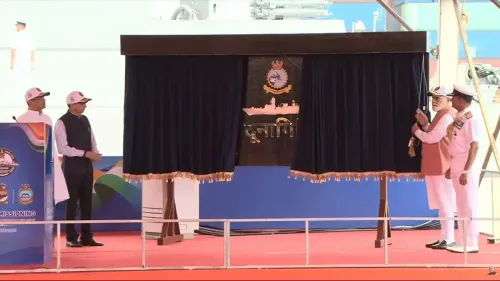
Union Minister of Ports, Shipping and Waterways Sarbananda Sonowal on Sunday, 21 June 2026 welcomed the induction of INS Sanshodhak into the Indian Navy, describing the advanced hydrographic survey vessel as a milestone that coincides with World Hydrography Day and reflects India's deepening maritime ambitions.
Context
Responding to a post on X, Minister Sonowal noted that the timing of the induction was 'fitting,' writing: 'A nation's prosperity, security and global influence are inextricably linked to the seas and the future is truly blue.' The remark links a specific naval acquisition to the broader philosophical argument that India's rise is inseparable from its command of the maritime domain.
World Hydrography Day, observed every year on 21 June, is promoted by the International Hydrographic Organisation (IHO) to raise awareness about hydrography — the science of surveying and charting bodies of water. India's Naval Hydrographic Office has been producing nautical charts and supporting safe navigation since 1954.
Policy Backdrop
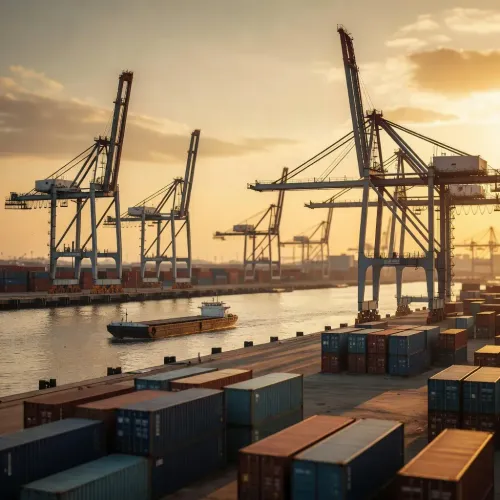
The induction of INS Sanshodhak fits squarely within India's SAGAR (Security and Growth for All in the Region) vision, announced in 2015, which elevated hydrographic cooperation and capacity-building in the Indian Ocean Region as strategic priorities. Hydrographic data is dual-use: it underpins the safe berthing of commercial vessels at major ports and simultaneously supports naval operations and maritime domain awareness.
India has steadily expanded its fleet of survey vessels in recent years, driven by the need to chart its extensive coastline and Exclusive Economic Zone (EEZ). The push also aligns with the government's emphasis on the blue economy — a framework that treats ocean resources, shipping lanes, and underwater infrastructure as engines of national growth.
Stakeholders and Impact
The Indian Navy is the primary operator of INS Sanshodhak and will use the vessel's advanced survey capabilities to generate high-resolution nautical charts critical for both military planning and civilian port development. The Ministry of Ports, Shipping and Waterways, which Sonowal heads, has a direct stake in accurate hydrographic data as it drives infrastructure investment along India's coastline and inland waterways.
The maritime industry — including port operators, shipping companies, and offshore energy firms — benefits from improved charting that reduces navigational risk and lowers insurance costs. Neighbouring Indian Ocean nations that rely on Indian hydrographic cooperation for their own charting programmes are also indirect stakeholders in India's expanded survey capacity.
What's Next
Attention will now turn to the commissioning of additional survey vessels as India works to modernise its hydrographic fleet. India's participation in upcoming IHO assemblies and the possibility of new bilateral hydrographic agreements with Indian Ocean partner nations will be closely watched. Minister Sonowal's public endorsement signals that the Ministry of Ports, Shipping and Waterways views naval hydrography not merely as a defence matter but as a cornerstone of the country's blue-economy strategy — a framing likely to influence budget allocations and inter-ministerial coordination in the months ahead.
Point of View
Not a siloed naval function. The timing on World Hydrography Day maximises diplomatic visibility, particularly with Indian Ocean partner nations that depend on Indian charting support. It also reinforces the BJP government's broader narrative of indigenisation and maritime power projection ahead of what is expected to be an active season of IHO diplomacy. The move suggests growing inter-ministerial coordination between the Ministry of Ports, Shipping and Waterways and the Ministry of Defence on ocean-domain strategy.
NationPress
21 Jun 2026
Frequently Asked Questions
What is INS Sanshodhak and why is it significant?
INS Sanshodhak is described as India's most advanced hydrographic survey vessel, inducted into the Indian Navy to improve charting of the country's coastline, Exclusive Economic Zone, and the broader Indian Ocean Region. Advanced hydrographic data supports both commercial shipping safety and military maritime operations.
What is World Hydrography Day and when is it observed?
World Hydrography Day is observed every year on 21 June to raise awareness about hydrography — the science of surveying and charting bodies of water. It is promoted by the International Hydrographic Organisation (IHO).
What is India's SAGAR vision and how does it relate to hydrography?
SAGAR, which stands for 'Security and Growth for All in the Region,' is a framework announced in 2015 that prioritises India's maritime engagement in the Indian Ocean Region, including hydrographic cooperation and capacity-building with neighbouring nations.
What role does the Ministry of Ports, Shipping and Waterways play in naval hydrography?
While the Indian Navy operates hydrographic survey vessels, the Ministry of Ports, Shipping and Waterways has a direct interest in accurate nautical charts because they are essential for port infrastructure development, safe navigation, and advancing India's blue-economy agenda.
Who is Sarbananda Sonowal?
Sarbananda Sonowal is the Union Minister of Ports, Shipping and Waterways in the Government of India, a senior BJP leader, and a former Chief Minister of Assam.