Assam CM Office: Tata Electronics chip plant nears production
Synopsis
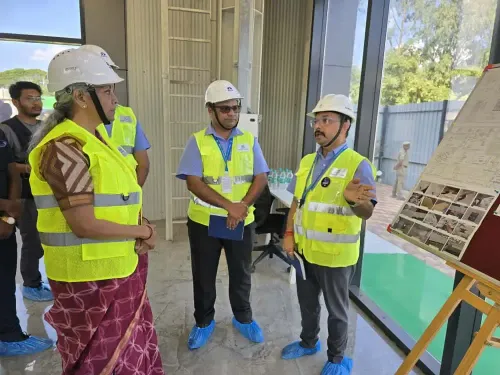
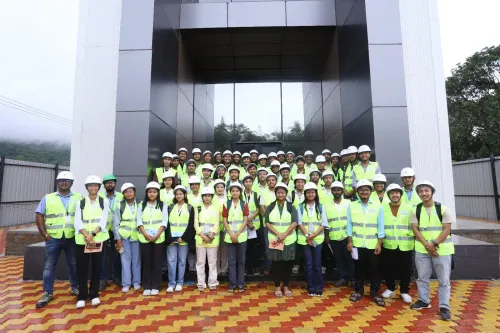
The Chief Minister's Office of Assam has flagged accelerating progress at Tata Electronics' semiconductor assembly and test facility in Morigaon district, marking a key step in the state's bid to anchor high-tech manufacturing in northeastern India under the India Semiconductor Mission.
Key Takeaways
The Chief Minister's Office of Assam on June 2, 2026 announced that the Tata Electronics chip plant is moving closer to production.
The facility is located in Morigaon district , Assam, and focuses on semiconductor assembly and testing.
The project stems from an MoU signed in 2023 between Tata Electronics and the Government of Assam.
The plant is backed by the India Semiconductor Mission , launched in 2021 by the central government.
The project is expected to create direct employment and a downstream MSME ecosystem in northeastern India.
Assam is positioning itself as a semiconductor hub, diversifying beyond tea, agriculture and oil.
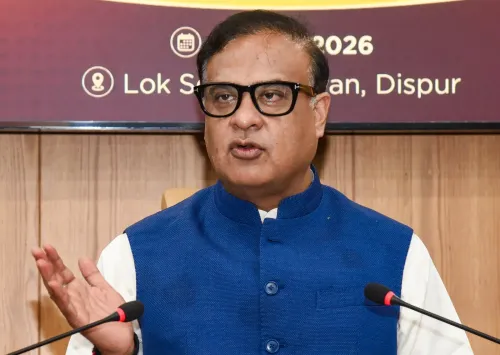
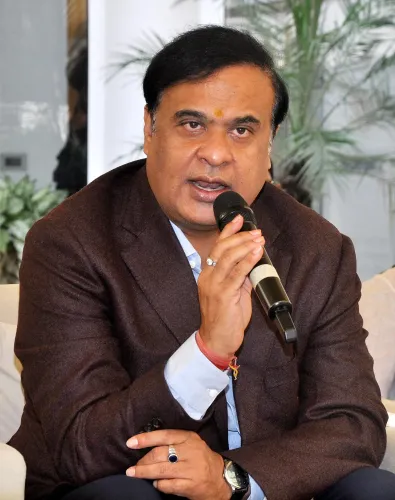
The Chief Minister's Office of Assam on Tuesday, June 2, 2026, highlighted the accelerating progress of Tata Electronics' semiconductor facility in the state, noting that the chip plant is moving closer to production in what the office described as a significant milestone in Assam's semiconductor journey.
Context
The post, shared by the official CMO Assam handle, signals the state government's active communication around a project it has closely championed. The facility, being developed by Tata Electronics — the electronics manufacturing subsidiary of the Tata Group — is located in Morigaon district, a site chosen to anchor high-tech industrial growth in northeastern India.
The state administration has been vocal about positioning Assam as a destination for semiconductor investment, a sector that has historically been concentrated in South India and western industrial corridors. Tuesday's communication underscores that the project is no longer in its preliminary phases.
Policy Backdrop
The facility draws directly from the architecture of the India Semiconductor Mission, a central government initiative approved in 2021 to build a domestic chip ecosystem through targeted incentives, infrastructure support and design-linked programmes. The mission was designed to reduce India's near-total import dependence on semiconductors — a vulnerability exposed sharply during the global chip shortage of 2020–2022.
In 2023, Tata Electronics signed a memorandum of understanding with the Government of Assam to establish a semiconductor assembly and test facility in Morigaon. The agreement was accompanied by state-level policy incentives covering land allocation and single-window clearances. The project also sits within the broader Production Linked Incentive (PLI) scheme for electronics, which has drawn multiple chipmakers and assemblers into India's manufacturing map.
Multiple Indian states competed aggressively for projects from Tata Electronics, Micron Technology and other global players, creating a new geography of high-tech manufacturing that deliberately extends beyond traditional hubs such as Bengaluru, Pune and Chennai.
Stakeholders and Impact
The most immediate beneficiaries of the plant's progression are workers in Assam and the surrounding northeastern region, where formal manufacturing employment in advanced industries has historically been scarce. Semiconductor assembly and testing facilities typically generate both direct employment and a downstream ecosystem of local micro, small and medium enterprises supplying packaging, logistics and ancillary services.
Electronics manufacturers dependent on imported chips stand to gain from a domestically assembled supply, while the broader Indian electronics value chain benefits from reduced exposure to global supply-chain disruptions. For Assam specifically, the plant represents a structural diversification away from agriculture, tea and oil — the state's traditional economic pillars.
What's Next
The government's framing — 'moves closer to production' — suggests the project has crossed key pre-production milestones, though precise timelines and investment figures remain to be confirmed through official disclosures. Observers will watch for formal announcements on equipment installation, trial production runs and job-creation targets, which are expected in subsequent government releases.
As India's semiconductor ambitions intensify, Assam's ability to operationalise the Tata Electronics plant on schedule will be closely watched as a test case for whether high-tech manufacturing can take root in India's northeastern states — and whether the India Semiconductor Mission can deliver on its promise of geographic diversification in chip production.
Point of View
Landing and now advancing a Tata chip facility carries outsized symbolic weight: it reframes the state's identity from a periphery economy to a node in global electronics supply chains. Whether the plant's production timeline holds will determine how durable that narrative proves to be.
NationPress
16 Oct 2026
Frequently Asked Questions
Where is the Tata Electronics semiconductor plant in Assam located?
The Tata Electronics semiconductor assembly and test facility is located in Morigaon district in Assam, northeastern India.
What is the India Semiconductor Mission?
The India Semiconductor Mission is a central government initiative approved in 2021 to develop a domestic semiconductor ecosystem through incentives, infrastructure support and design-linked programmes aimed at reducing India's chip import dependence.
When did Tata Electronics sign the MoU with the Assam government?
Tata Electronics signed a memorandum of understanding with the Government of Assam in 2023 to establish the semiconductor assembly and test facility in Morigaon.
What jobs will the Tata chip plant create in Assam?
The plant is expected to generate direct manufacturing employment and a downstream ecosystem of local MSMEs in packaging, logistics and ancillary services, though specific job-creation figures are yet to be officially disclosed.
Why is Assam investing in semiconductor manufacturing?
Assam is pursuing semiconductor investment to diversify its economy beyond traditional sectors such as tea, agriculture and oil, and to integrate into global electronics supply chains under the national PLI and semiconductor incentive frameworks.