Union Minister Vaishnaw hails women's reservation Cabinet step
Synopsis
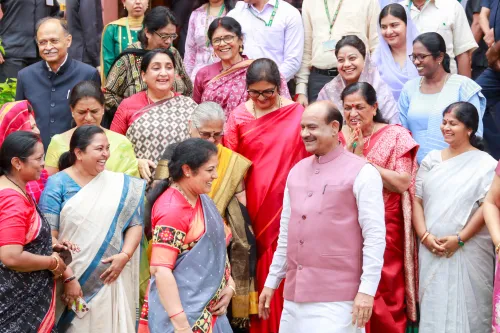
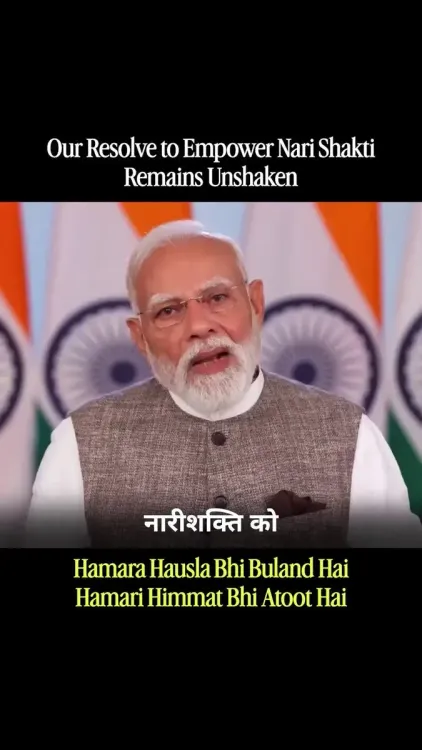
Union Minister Ashwini Vaishnaw on 28 November 2026 hailed a Union Cabinet decision on women's reservation as a landmark step under PM Narendra Modi. The 2023 Nari Shakti Vandan Adhiniyam already reserves one-third of Lok Sabha and assembly seats, pending census-linked delimitation.
Key Takeaways
Union Minister Ashwini Vaishnaw on 28 November 2026 called a Union Cabinet decision on women's reservation a landmark step towards a more inclusive democracy.
He credited Prime Minister Narendra Modi's leadership and said the move would strengthen women's representation and participation.
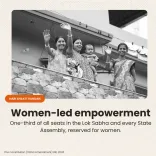
The Nari Shakti Vandan Adhiniyam — the Constitution (One Hundred and Sixth Amendment) Act, 2023 — reserves one-third of seats in the Lok Sabha and state assemblies.
Implementation is sequenced after the next census and the delimitation of constituencies.
Vaishnaw tagged the post with Nari Shakti and Delimitation Bill.
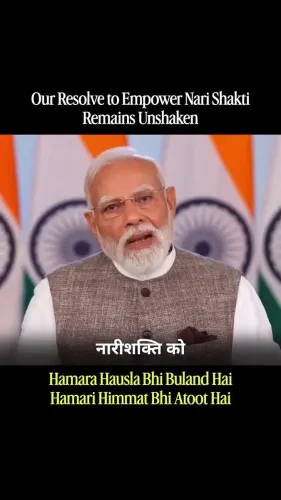
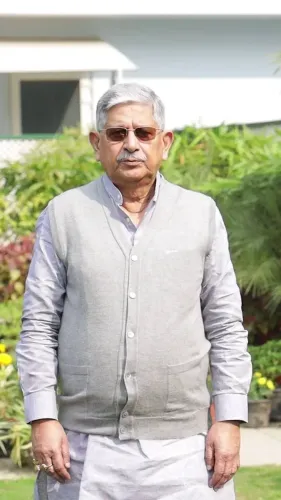
Union Minister of Railways, Information and Broadcasting, and Electronics and Information Technology Ashwini Vaishnaw on 28 November 2026 called a Union Cabinet decision on women's reservation a landmark step towards a more inclusive democracy, placing it under Prime Minister Narendra Modi. He said the move would strengthen women's representation and participation in shaping India's future, tagging Nari Shakti and Delimitation Bill.
In the post he wrote: ‘A landmark step towards a more inclusive democracy!’ He added that under Modi, ‘the Union Cabinet's decision on women's reservation will strengthen women's representation and participation in shaping India's future.’
Nari Shakti Vandan Adhiniyam already on the statute book
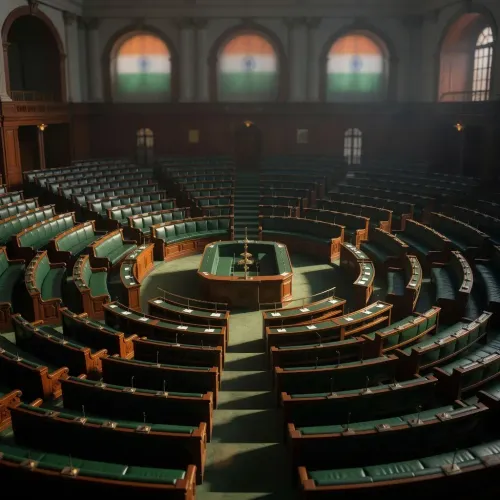
The legal spine of that claim is already in the Constitution. Parliament in September 2023 passed the Nari Shakti Vandan Adhiniyam — the Constitution (One Hundred and Sixth Amendment) Act, 2023 — and it received presidential assent the same month. The amendment reserves one-third of seats for women in the Lok Sabha and in state legislative assemblies.
Those seats did not light up overnight. Lawmakers built a delay into the design: the quota takes effect only after a fresh delimitation of constituencies, sequenced after the next national census. That is why women's reservation and a delimitation bill sit in the same political sentence.
Delimitation is the gate the quota cannot skip
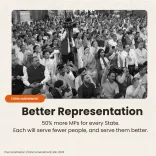
Redrawing India's electoral map is not clerical work. Population shifts, seat totals and the rotation of reserved constituencies must be settled before a woman candidate can contest a specifically reserved parliamentary or assembly seat. Parties will then have to find, train and ticket a much larger pool of women. Voters will meet a different ballot.
Decades of earlier women's reservation bills never cleared both Houses. The 2023 amendment broke that deadlock by tying implementation to post-census delimitation rather than an immediate cutover. Vaishnaw's Saturday message keeps that unfinished sequence in public view.
Census first, then the new electoral map
The operational clock still runs through two national processes: the census, then delimitation. Until those conclude, one-third reservation is constitutional text, not yet a block of names on the treasury and opposition benches. Women candidates and party organisations are the first stakeholders who will feel the change when the maps are published.
The quota is already written into the Constitution. The map still has to be drawn before Nari Shakti becomes a third of the House.
Point of View
The real test will be candidate supply and ticket distribution once reserved seats exist on a map, not only in the Gazette. Watch the census timetable: that, more than any Cabinet communique, will decide when one-third of India's legislatures actually change gender.
NationPress
28 Nov 2026
Frequently Asked Questions
What did Ashwini Vaishnaw say about the Union Cabinet and women's reservation?
Union Minister Ashwini Vaishnaw on 28 November 2026 called the Union Cabinet's decision on women's reservation a landmark step towards a more inclusive democracy under Prime Minister Narendra Modi. He said it would strengthen women's representation and participation in shaping India's future.
What is the Nari Shakti Vandan Adhiniyam?
It is the Constitution (One Hundred and Sixth Amendment) Act, 2023, which reserves one-third of seats for women in the Lok Sabha and state legislative assemblies. Implementation is linked to delimitation after the next census.
Why is women's reservation tied to delimitation?
The 2023 amendment provides that the one-third reservation takes effect only after constituencies are redrawn following the next census. Delimitation assigns which seats are reserved so the quota can operate on an updated electoral map.
When will reserved seats for women become operational?
Reserved seats become operational after the national census and the subsequent delimitation exercise are completed. The 2023 law is already on the statute book, but the seats themselves await that sequence.
Who is Ashwini Vaishnaw?
Ashwini Vaishnaw is the Union Minister of Railways, Information and Broadcasting, and Electronics and Information Technology, and a senior BJP leader. He posted in support of the Cabinet decision on women's reservation.