Uttarakhand CM Office Announces ₹169 Cr for Crop Fencing, Weather Stations
Synopsis
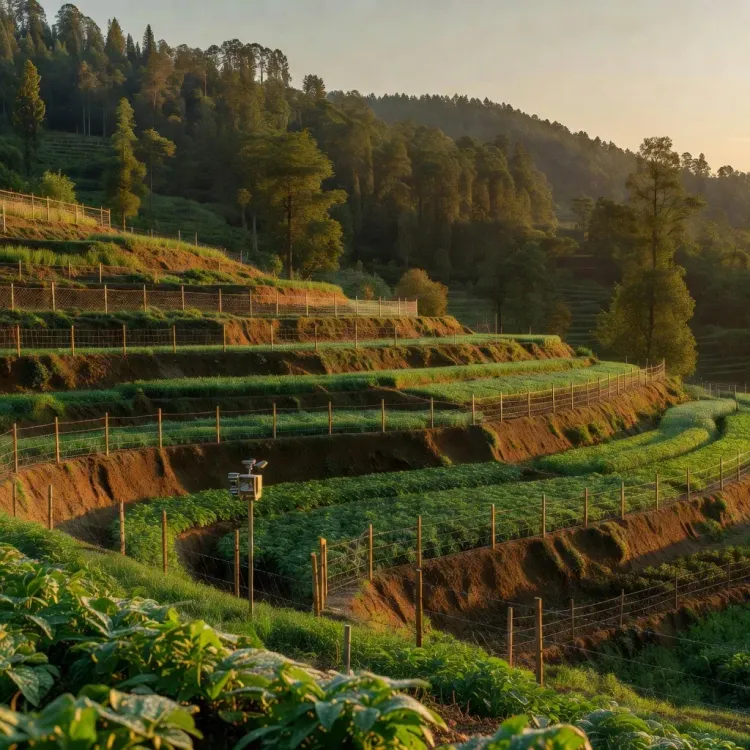
The Uttarakhand Chief Minister's Office announced ₹65 crore for crop-protection fencing against wild animals and ₹104 crore for automatic weather stations, totalling ₹169 crore in dual allocations aimed at protecting hill farmers from wildlife damage and improving climate resilience across the Himalayan state.
Key Takeaways
₹65 crore will be made available for fencing works to protect crops from wild animals in Uttarakhand . ₹104 crore is being sanctioned for the installation of automatic weather stations across the state.
The combined outlay of ₹169 crore was announced by the Chief Minister's Office of Uttarakhand on 26 June 2026 .
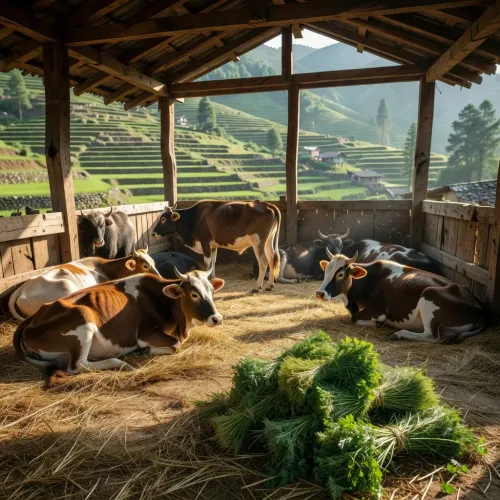
Fencing targets chronic crop losses caused by species such as monkeys, wild boar and elephants in forest-fringe villages.
The automatic weather station network is intended to support farmer advisories, crop insurance and disaster early warning systems.
Chief Minister Pushkar Singh Dhami has positioned the dual allocation as combining immediate agricultural protection with longer-term climate adaptation.
The Chief Minister's Office of Uttarakhand announced on Friday, 26 June 2026 that the state government will allocate ₹65 crore for fencing works to protect farmland from wild animals and approve ₹104 crore to establish a network of automatic weather stations across the state. The twin allocations, totalling ₹169 crore, signal a dual push on immediate crop protection and longer-term climate resilience for Uttarakhand's hill farming communities.
The official post, shared from the Chief Minister's Office account, quoted a senior official stating that fencing funds would be made available to shield crops from wildlife incursions — 'jangali jaanwaron se faslon ki suraksha ke liye gherbaad (fencing) karya hetu ₹65 crore' (₹65 crore for fencing work to protect crops from wild animals) — while the ₹104 crore outlay for automatic weather stations is being sanctioned simultaneously.
Context
Uttarakhand's forested Himalayan terrain has long placed its farming communities at the frontline of human-wildlife conflict. Species including monkeys, wild boar and elephants routinely damage standing crops in villages bordering forest zones, causing recurring economic losses for smallholder farmers. State governments have periodically announced fencing schemes in wildlife-prone districts, but the scale of the current allocation marks a significant commitment to addressing the problem systematically. The ₹65 crore fencing outlay is intended to cover physical barrier installation in areas most vulnerable to crop depredation, providing rural households with a tangible safeguard for their livelihoods.Policy Backdrop
The parallel investment in Automatic Weather Stations (AWS) fits within a broader national effort, led in part by the Indian Meteorological Department, to expand real-time meteorological data coverage across Indian states. Since the early 2000s, AWS networks have been progressively deployed to improve forecast accuracy, support rain-fed agriculture and underpin early warning systems for extreme weather events. For Uttarakhand — a state frequently exposed to cloudbursts, flash floods and erratic monsoon patterns — a denser AWS network carries particular value. Real-time weather data can feed directly into farmer advisories, crop insurance assessments and disaster risk reduction frameworks, making the ₹104 crore sanction a long-term investment in agricultural resilience rather than a short-term relief measure.Stakeholders and Impact
The primary beneficiaries are Uttarakhand's hill farming communities, many of whom depend on rain-fed agriculture and have limited resources to absorb crop losses caused by either wildlife or adverse weather. For these households, effective fencing can mean the difference between a viable harvest and a season of losses, while improved weather data can help them plan sowing and harvesting cycles with greater confidence. Under Chief Minister Pushkar Singh Dhami, the state has increasingly sought to combine immediate welfare measures with infrastructure investments aimed at structural change in the agricultural sector. The dual announcement reflects that approach: one scheme addresses a chronic, ground-level problem; the other builds the data infrastructure needed for smarter agricultural planning.What's Next
Attention will now turn to the district-level rollout of fencing works and the timeline for procuring and installing the automatic weather stations. The integration of new weather data into existing farmer advisory services and crop insurance schemes will be a key indicator of whether the ₹104 crore investment translates into measurable agricultural outcomes. If implemented effectively, the AWS network could also support disaster management agencies in issuing more granular, localised alerts ahead of extreme weather events — a critical need for a state that has witnessed several high-impact natural disasters in recent years.Point of View
While the other builds the data infrastructure that modern agricultural policy increasingly demands. Together they allow the Dhami government to present a welfare narrative that is both immediate and forward-looking ahead of any electoral calculus. The scale of the AWS allocation — ₹104 crore — also suggests the state is positioning itself to leverage central climate-adaptation frameworks, potentially unlocking matching funds. Whether the announcements translate into on-ground implementation at the district level will determine their true political and policy value.
NationPress
25 Sept 2026
Frequently Asked Questions
Why is Uttarakhand spending ₹65 crore on crop fencing?
The ₹65 crore is earmarked for physical fencing to protect farmland from wild animals such as monkeys, wild boar and elephants, which have long caused significant crop losses in Uttarakhand's forest-fringe villages.
What are automatic weather stations and why does Uttarakhand need them?
Automatic weather stations are devices that record real-time meteorological data including rainfall, temperature and humidity. Uttarakhand, exposed to erratic monsoons and extreme weather events, needs a denser AWS network to improve farmer advisories, crop insurance assessments and disaster early warnings.
How much total funding has Uttarakhand announced for agriculture welfare in June 2026?
The Chief Minister's Office of Uttarakhand announced a combined allocation of ₹169 crore — ₹65 crore for crop-protection fencing and ₹104 crore for automatic weather stations — on 26 June 2026.
Who will benefit from Uttarakhand's crop fencing and weather station schemes?
Hill farming communities across Uttarakhand are the primary beneficiaries, particularly smallholder farmers in areas bordering forest zones who face recurring losses from wildlife and unpredictable weather.
What is the status of the ₹104 crore weather station fund in Uttarakhand?
According to the Chief Minister's Office, the ₹104 crore for automatic weather stations is in the process of being sanctioned, with district-level rollout and integration with farmer advisory services expected in subsequent phases.