Parker Volcano's 1640 eruption may have doomed China's Ming dynasty
Synopsis
A peer-reviewed study in Climate of the Past argues that the 1640 eruption of Parker Volcano in the Philippines — 3,850 km from Beijing — may have triggered the climate shocks that accelerated the Ming dynasty's fall in 1644, adding a volcanic dimension to one of history's most debated dynastic collapses.
Key Takeaways
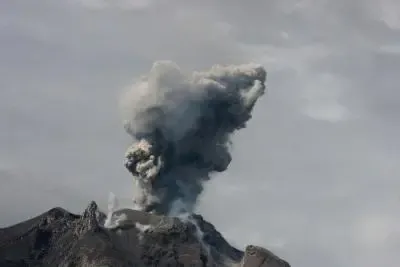
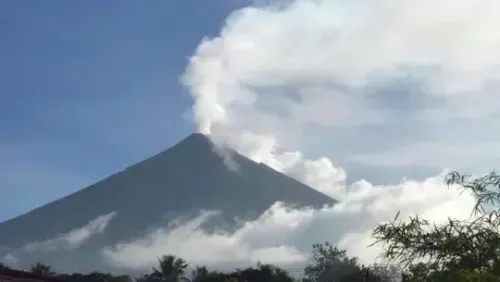
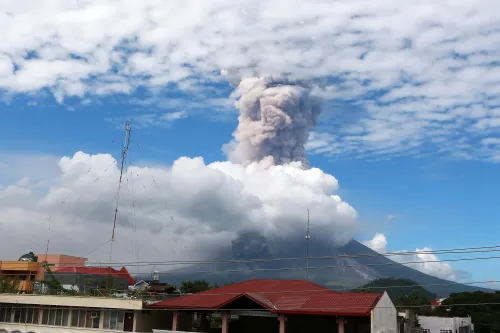
A study published in Climate of the Past in April 2026 links the 1640 eruption of Parker Volcano in the Philippines to the fall of China's Ming dynasty .
The Ming dynasty collapsed in 1644 after 276 years of rule, when rebel leader Li Zicheng captured Beijing and Emperor Chongzhen died by suicide on Jing Hill .
Parker Volcano is located approximately 3,850 km (2,400 miles) from Beijing , in the Philippines .
Richard Warren of the Institute of History, University of Bern, Switzerland argues volcanic eruptions cause temperature and precipitation shifts that can trigger famine and societal instability.
The research also raises questions about whether volcanic climatic effects may have similarly weakened the succeeding Qing dynasty .
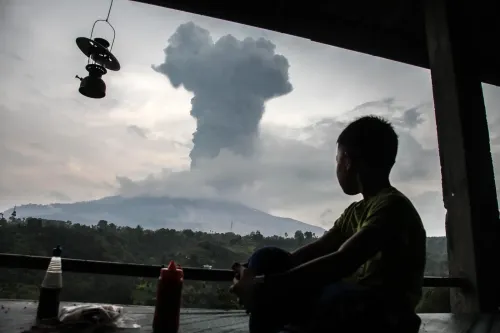
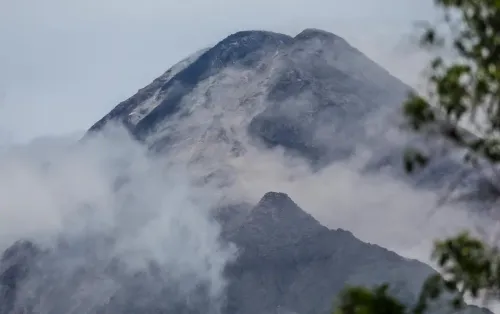
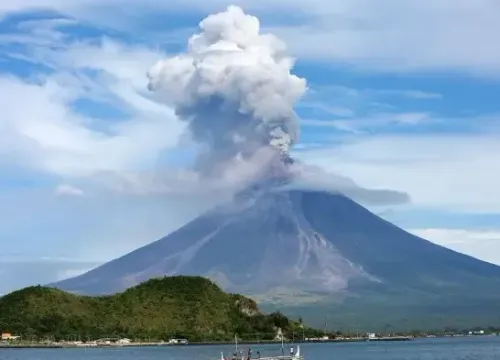
A 2026 study published in the scientific journal Climate of the Past in April proposes that the 1640 eruption of Parker Volcano in the Philippines — located some 3,850 km (approximately 2,400 miles) from Beijing — may have been a critical, underappreciated factor in the collapse of China's Ming dynasty, which fell in 1644 after 276 years of rule.
The fall of the Ming: what history records
By many historical accounts, the Ming dynasty's end came when rebel leader Li Zicheng led a peasant army into Beijing in 1644. Within less than 24 hours of rebel forces breaching the city's inner defences, the last Ming emperor, Chongzhen, hanged himself on Jing Hill behind the Forbidden City.
Historians have long debated the dynasty's decline, pointing to eunuch dictatorship, factional infighting among civil officials, devastating peasant uprisings, and the rising power of the Manchus as contributing causes.
Why it matters: the volcanic link
The new study introduces a natural catastrophe into that debate. According to the research, volcanic eruptions can drive widespread shifts in temperature and precipitation, raising the probability of droughts, floods, and crop failures — conditions that push already-vulnerable societies toward famine and instability.
Richard Warren, from the Institute of History at the University of Bern in Switzerland, has argued that the Parker Volcano eruption fits this pattern, with its climatic aftershocks potentially amplifying the agricultural and social crises already destabilising the Ming state in the early 1640s.
The competitive backdrop: volcanoes and dynastic cycles
The Parker Volcano hypothesis is part of a broader scholarly effort to integrate climate science with political history. Researchers have previously examined how eruptions in Iceland and Indonesia contributed to social upheaval across different eras and geographies. The Yellow River Basin, a critical agricultural heartland, would have been acutely exposed to any precipitation anomalies triggered by volcanic aerosols in the atmosphere.
The study also raises questions about whether similar climatic pressures may have undermined the subsequent Qing dynasty, which replaced the Ming after 1644.
What's next
The findings, published in Climate of the Past, are expected to prompt further interdisciplinary research linking volcanology, climate modelling, and East Asian dynastic history. Scholars will likely scrutinise ice-core and tree-ring records to quantify the atmospheric impact of the 1640 Parker Volcano event and its reach across the Asia-Pacific region and beyond.
Point of View
Not a standalone cause. The broader pattern here mirrors debates about the role of the 1815 Tambora eruption in triggering the 'Year Without a Summer' and subsequent European unrest — suggesting volcanology may yet rewrite several chapters of political history. For China specifically, the question of whether the Qing dynasty also faced volcanic headwinds could reframe long-held narratives about Manchu administrative superiority in the post-1644 transition.
NationPress
14 Sept 2026
Frequently Asked Questions
What is the Parker Volcano and where is it located?
Parker Volcano is an active volcano located in the Philippines , situated approximately 3,850 km (about 2,400 miles) from Beijing . Its 1640 eruption is the subject of new research linking it to climatic disruptions that may have contributed to the fall of China's Ming dynasty .
How did the Ming dynasty fall in 1644?
The Ming dynasty fell in 1644 when rebel leader Li Zicheng led a peasant army into Beijing . Within less than 24 hours of the inner city's defences being breached, Emperor Chongzhen hanged himself on Jing Hill behind the Forbidden City , ending 276 years of Ming rule.
How can a volcanic eruption cause a dynasty to collapse?
According to Richard Warren of the University of Bern , volcanic eruptions inject aerosols into the atmosphere that alter temperature and precipitation patterns globally. These shifts can cause droughts, floods, and crop failures, pushing vulnerable agrarian societies toward famine and social unrest — conditions that can destabilise even established states.
Who conducted the research on Parker Volcano and the Ming dynasty?
The research was published in the peer-reviewed journal Climate of the Past in April 2026 . Richard Warren , from the Institute of History at the University of Bern in Switzerland , is among the scholars who have argued for the volcanic-climate-collapse connection.
Could volcanic eruptions have also weakened the Qing dynasty?
The study raises this possibility. If volcanic climate disruptions contributed to the Ming collapse, researchers suggest similar mechanisms may have created headwinds for the Qing dynasty , which succeeded the Ming after 1644 . Further research into ice-core and tree-ring records is expected to investigate this question.