AAP Accuses Amit Shah of Plotting 7 MP Defections via Raghav Chadha
Synopsis
Punjab AAP's Baltej Pannu has accused Home Minister Amit Shah of offering Raghav Chadha a Cabinet post to break 7 AAP MPs into a new BJP-backed party. With ED raids framed as coercion tools and Punjab's 2027 elections looming, this explosive allegation could reshape the national opposition landscape.
Key Takeaways
Baltej Pannu , Punjab AAP General Secretary, accused Union Home Minister Amit Shah of plotting the defection of seven AAP MPs on April 24, 2025 in Chandigarh .
Raghav Chadha was allegedly offered a Union Cabinet ministerial post by Amit Shah in exchange for breaking away at least seven AAP MPs into a new BJP -backed political party.
Recent ED raids on AAP MPs were described by Pannu as politically motivated pressure tactics, noting the targeted MPs had never previously faced such enforcement actions.
AAP has governed Punjab for four years and entered its fifth year , surviving multiple alleged destabilisation attempts involving money offers and threats to its MLAs .
Pannu warned that agencies including the ED , CBI , and Election Commission are activated ahead of elections to serve the BJP's political agenda.
Punjab is now AAP's last major state government following its defeat in the Delhi Assembly elections in February 2025 , raising the stakes of any destabilisation attempt significantly.
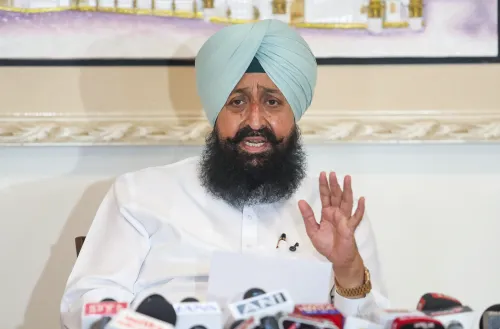
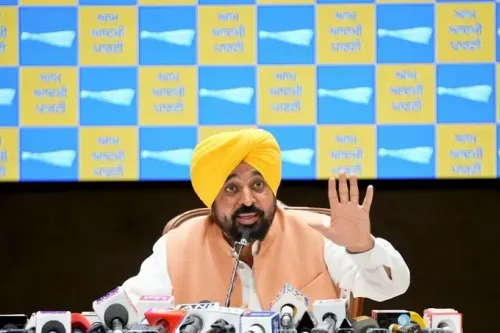
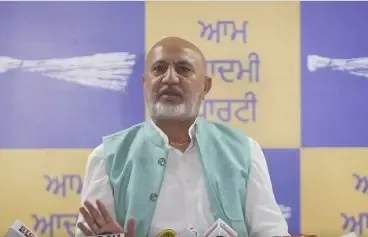
Chandigarh, April 24: Punjab Aam Aadmi Party (AAP) General Secretary Baltej Pannu on Friday launched a scathing attack on Union Home Minister Amit Shah, accusing him of orchestrating a deliberate and coordinated conspiracy to destabilise the party by misusing Central investigative agencies and engineering the defection of at least seven AAP Members of Parliament. The allegations, made at a press conference in Chandigarh, mark one of the most direct confrontations between AAP and the BJP-led Union government in recent months.
The Alleged Blueprint: A Ministerial Bribe and a New Party
Pannu claimed that Amit Shah has offered Rajya Sabha MP Raghav Chadha a Union Cabinet ministerial post in exchange for successfully breaking away at least seven AAP MPs and shepherding them into a newly formed political outfit backed by the Bharatiya Janata Party (BJP).
Amit Shah is actively working to weaken AAP by engineering defections and using Raghav Chadha as a tool to execute this plan, Pannu said, adding that credible internal party sources had flagged the alleged deal.
He further claimed that a BJP-backed new political party is currently being formed through Chadha, and that active efforts are underway to lure sitting AAP MPs into joining it through a combination of incentives and intimidation.
ED Raids Termed Politically Motivated Pressure Tactics
Pannu directly linked recent Enforcement Directorate (ED) raids on AAP MPs to this alleged destabilisation campaign. He pointed out that the targeted MPs are businesspersons who had never previously faced such enforcement actions, calling the timing and nature of the raids clearly politically motivated.
Our MPs are being pressured through false ED raids, intimidation tactics, and coercion, he said, adding that agencies like the ED, CBI, and even the Election Commission of India are activated ahead of elections to serve the BJP's political interests.
This comes amid a broader national pattern where opposition-ruled states have repeatedly alleged misuse of Central agencies. Notably, similar accusations were levelled by AAP during the Delhi liquor policy case in 2023-24, which led to the arrest of former Chief Ministers Arvind Kejriwal and Manish Sisodia.
Baltej Pannu's Warning to Raghav Chadha and the BJP
Pannu did not hold back in his personal attack on Raghav Chadha, who was once among AAP's most prominent young faces and was elevated to the Rajya Sabha at a relatively young age on the party's strength.
The party gave him immense respect and elevated him to Parliament at a very young age, but he has now stabbed Punjab in the back, Pannu said, invoking Punjabi pride in his warning: Punjabis love wholeheartedly, but they also know how to deal with those who betray them.
He issued a pointed warning to the BJP: Do not take enmity with Punjabis. It will prove very costly.
AAP's Track Record Against Destabilisation Attempts
Pannu cited AAP's four-year governance record in Punjab, now entering its fifth year, as evidence of the party's resilience against repeated destabilisation bids. He claimed that AAP MLAs had been offered money, threatened, and lured with false promises on multiple occasions, yet the party remained intact.
Claims were made that dozens of MLAs were in contact with the BJP, but nothing materialised because our leaders are committed to public service, he said.
He also referenced the Delhi Assembly elections, where he said the BJP failed to break AAP through similar tactics. Critics, however, note that AAP lost the Delhi elections in February 2025, a significant political setback that may have emboldened rivals to push harder in Punjab.
Broader Political Implications for Punjab and National Opposition
The allegations carry significant weight given that Punjab is one of the last remaining states where AAP holds government power after its Delhi defeat. A successful defection of seven MPs could signal a broader unravelling of the party's parliamentary presence and weaken its national opposition credentials.
Analysts note that the BJP has historically used a combination of electoral strategy and institutional pressure to consolidate power in opposition-ruled states, a pattern visible in Maharashtra (2019), Goa, and Manipur. Whether AAP can withstand this pressure in Punjab will be a key test of the party's organisational strength heading into future electoral cycles.
With Punjab local body elections and the broader 2027 Punjab Assembly elections on the horizon, the political temperature in the state is set to rise sharply in the coming months. All eyes will now be on Raghav Chadha's next public move and whether any AAP MP formally crosses the floor.
Point of View
Not because they are automatically true, but because the pattern they describe is disturbingly familiar. From Maharashtra to Goa to Manipur, the BJP has repeatedly demonstrated an appetite for engineering political realignments through institutional pressure and financial incentives. What is different here is the naming of Raghav Chadha as an alleged internal instrument, a move that if proven would represent a new low in intra-party betrayal. The real story is not just about defections but about whether India's federal democracy can survive the weaponisation of Central agencies against elected state governments.
NationPress
19 Sept 2026
Frequently Asked Questions
What did AAP's Baltej Pannu accuse Amit Shah of doing?
AAP Punjab General Secretary Baltej Pannu accused Union Home Minister Amit Shah of orchestrating the defection of seven AAP MPs by allegedly offering Raghav Chadha a Union Cabinet post. He claimed a new BJP-backed party is being formed through Chadha to absorb these MPs.
What is Raghav Chadha's alleged role in the AAP defection plan?
According to Baltej Pannu, Raghav Chadha has been tasked by Amit Shah to engineer the breakaway of at least seven AAP MPs into a newly formed party backed by the BJP. AAP claims Chadha was offered a ministerial position as a reward for successfully executing this plan.
Why does AAP call the ED raids on its MPs politically motivated?
AAP argues that the targeted MPs are businesspersons who had never faced ED action before and the raids coincide with alleged pressure to defect. The party claims Central agencies like the ED and CBI are being used as coercive tools to intimidate opposition leaders into submission or defection.
Has the BJP previously attempted to destabilise AAP governments?
AAP has repeatedly alleged BJP-backed destabilisation attempts in both Delhi and Punjab over the past several years. The party points to the arrest of senior AAP leaders in the Delhi liquor policy case as a precedent for using Central agencies against opposition-ruled governments.
What is the political significance of these defection allegations for Punjab?
Punjab is currently AAP's only remaining state government after its Delhi election defeat in February 2025, making it a critical stronghold. A successful defection of seven MPs would severely weaken AAP's national parliamentary presence and could destabilise the Punjab government ahead of the 2027 state elections.