Hormuz navigation: Egypt, Saudi Arabia urge de-escalation as US-Iran clashes intensify
Synopsis
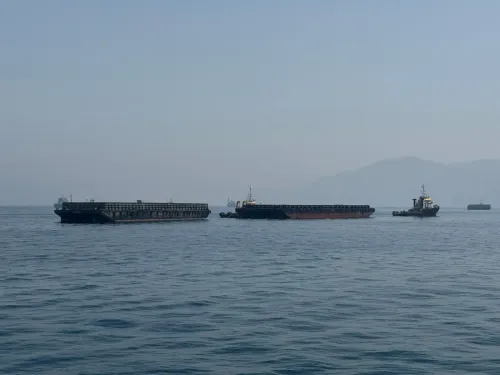
With US-Iran exchanges lighting up the skies over Bandar Abbas and Qeshm Island, Egypt and Saudi Arabia stepped in on 13 July with an urgent joint call to protect Strait of Hormuz navigation — the chokepoint through which a fifth of the world's oil flows. Bahrain simultaneously reported intercepting Iranian aerial attacks, signalling the conflict is no longer contained to a single front.
Key Takeaways
Egypt and Saudi Arabia jointly called for de-escalation and protection of Strait of Hormuz navigation on 13 July .
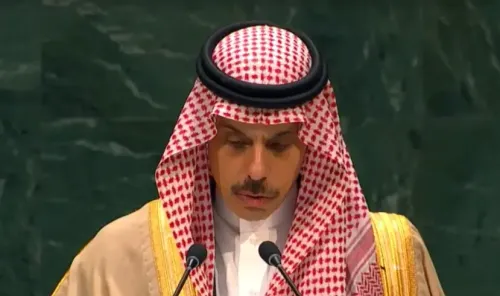
The call came via a phone conversation between Foreign Minister Badr Abdelatty and Prince Faisal bin Farhan Al Saud .
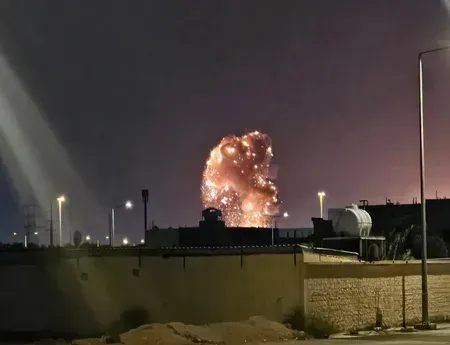
Explosions were reported near Bandar Abbas and Qeshm Island in Iran's Hormozgan province , reportedly linked to US strikes.
Hormozgan province authorities confirmed no casualties or infrastructure damage from the reported attacks.
The Bahrain Defence Force said it intercepted multiple Iranian missile and drone attacks, accusing Tehran of a 'systematic hostile approach'.
The Strait of Hormuz carries roughly 20% of global petroleum liquids, making any disruption a direct threat to global energy security.
Egypt and Saudi Arabia on Monday, 13 July jointly called for the protection of freedom of navigation through the Strait of Hormuz in line with international law, urging an immediate halt to hostilities as Iran and the United States exchanged a fresh round of attacks in and around the strategically vital waterway.
The Diplomatic Exchange
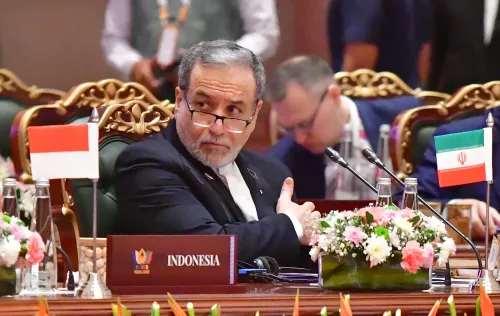
The joint position was conveyed during a phone call between Egyptian Foreign Minister Badr Abdelatty and his Saudi counterpart, Prince Faisal bin Farhan Al Saud, according to a statement issued by the Egyptian Foreign Ministry. The two ministers underscored the necessity of ensuring the safety and security of international shipping lanes, warning that any disruption to maritime traffic would carry severe repercussions for the global economy and energy security.
The ministers also reiterated their condemnation of Iran's attacks targeting Gulf Arab states and Jordan, calling for an unconditional and immediate cessation of all escalatory actions.
Explosions Near Bandar Abbas and Qeshm Island
Separately, explosions were reportedly heard around noon on Monday near the port city of Bandar Abbas and Qeshm Island in Iran's southern Hormozgan province, according to the semi-official Mehr news agency, citing local sources. The blasts appeared to originate from regions away from urban areas, concentrated on the western coast of Bandar Abbas.
The explosions are believed to be connected to ongoing clashes in the Strait of Hormuz and adjacent waters, according to the same report. Authorities in Hormozgan province confirmed that no casualties or damage to residential or commercial infrastructure had been recorded in what they described as fresh US attacks against Bandar Abbas and Qeshm Island.
Bahrain Reports Iranian Aerial Attacks
The Bahrain Defence Force said on Monday that its air defence systems had successfully intercepted several Iranian aerial attacks. In an official statement, the force accused Iran of pursuing what it characterised as a 'systematic hostile approach' through sustained missile and drone strikes against the kingdom.
Why the Strait of Hormuz Matters
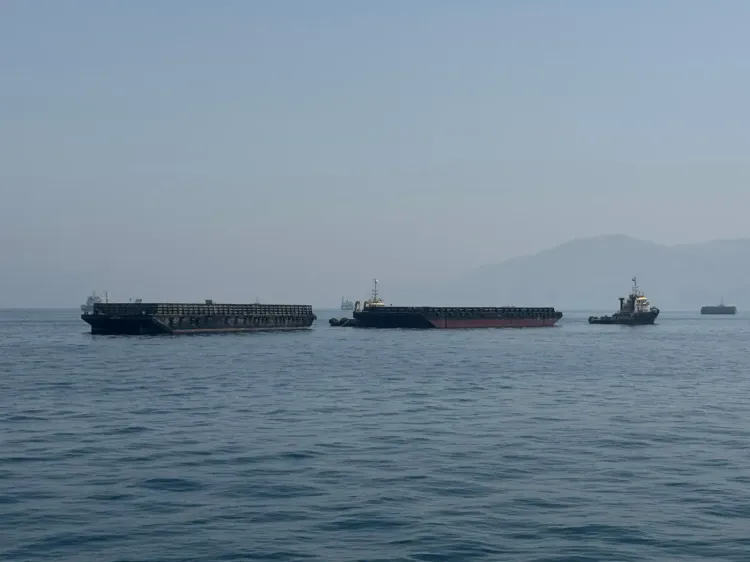
The Strait of Hormuz is the world's most critical oil transit chokepoint, with roughly 20% of global petroleum liquids passing through it annually. Any sustained disruption risks spiking global energy prices and straining supply chains far beyond the immediate region. This latest escalation comes amid an already fragile geopolitical environment in the Middle East, with multiple fronts of tension compounding the risk to international trade routes.
What Comes Next
The diplomatic interventions by Cairo and Riyadh signal growing anxiety among Arab states over the widening US-Iran confrontation. Regional and international observers will be watching closely for any further military exchanges near the strait, as well as whether broader multilateral diplomatic efforts gain traction to prevent a full-scale conflict that could destabilise global energy markets.
Point of View
Whether through energy revenues or import costs. What is notable is the explicit condemnation of Iranian attacks on Gulf states and Jordan, which marks a sharper public posture than either country typically adopts. The Bahrain intercept report adds a second front to an already volatile picture. The real risk is not a single dramatic escalation but a grinding exchange that incrementally raises insurance costs, reroutes tankers, and tightens oil supply before any formal diplomatic channel can intervene. Arab states are signalling alarm; whether Washington and Tehran are listening is another matter entirely.
NationPress
12 Oct 2026
Frequently Asked Questions
Why are Egypt and Saudi Arabia calling for de-escalation over the Strait of Hormuz?
Egypt and Saudi Arabia issued a joint call on 13 July urging de-escalation because ongoing US-Iran military exchanges near the Strait of Hormuz threaten freedom of navigation and global energy security. The two foreign ministers warned that any disruption to maritime traffic would have severe economic consequences worldwide.
What happened near Bandar Abbas and Qeshm Island on 13 July?
Explosions were reportedly heard near the port city of Bandar Abbas and Qeshm Island in Iran's southern Hormozgan province around noon on Monday, 13 July, according to the Mehr news agency. Provincial authorities stated no casualties or damage to residential and commercial infrastructure were recorded, and the blasts are believed to be linked to US strikes in the area.
What did Bahrain report about Iranian attacks?
The Bahrain Defence Force said on 13 July that its air defence systems intercepted several Iranian aerial attacks involving missiles and drones. It accused Iran of pursuing a 'systematic hostile approach' against the kingdom.
Why is the Strait of Hormuz so critical to global energy markets?
The Strait of Hormuz is the world's single most important oil transit chokepoint, with approximately 20% of global petroleum liquids passing through it each year. Any sustained military disruption there risks sharp spikes in global energy prices and supply chain disruptions far beyond the Middle East.
Who spoke during the Egypt-Saudi diplomatic call?
Egyptian Foreign Minister Badr Abdelatty and Saudi Foreign Minister Prince Faisal bin Farhan Al Saud held the phone conversation, as confirmed by the Egyptian Foreign Ministry. They jointly condemned Iran's attacks on Gulf Arab states and Jordan and called for an immediate halt to all escalatory actions.