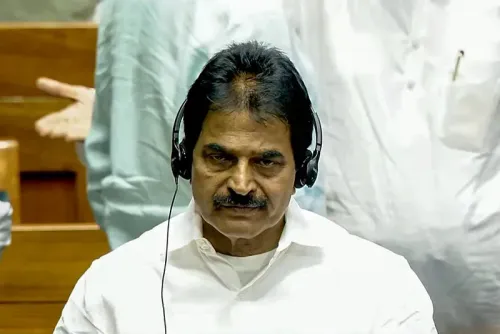
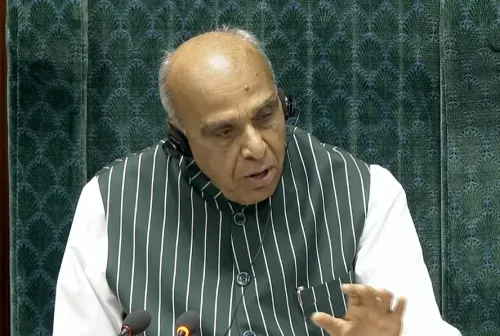
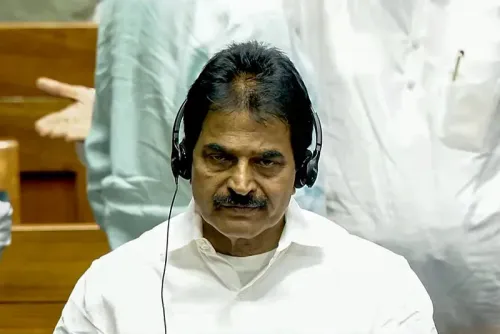
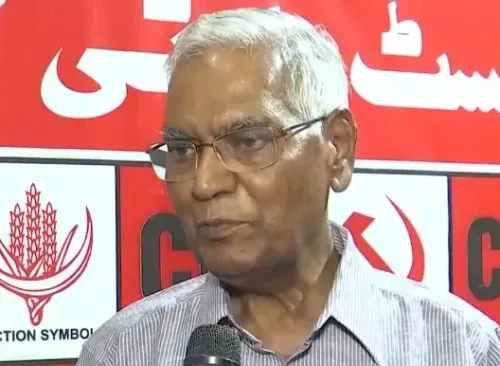
Kerala Assembly passes FCRA resolution 111-2, BJP lone dissenter
Synopsis
Kerala's Assembly voted 111-2 to push back against the Centre's proposed FCRA overhaul — making it one of the most lopsided state-level rejections of a Union law in recent memory. With BJP as the lone dissenter, the resolution signals a broad cross-party consensus in Kerala that the amendments threaten civil society, privacy, and federal autonomy.
Key Takeaways
The Kerala Legislative Assembly passed a special resolution on 1 July 2025 by 111 votes to two against the proposed FCRA amendments .
Satheesan alleged the amendments aim to bring NGOs and voluntary organisations under tighter central control.
The resolution objects to restrictions limiting organisations to 105 activity sectors and penalties of up to 30% of foreign contributions for even technical violations.
Provisions requiring disclosure of office-bearers' personal social media accounts were flagged as a threat to privacy and free expression.
Muraleedharan argued state legislatures cannot seek changes to Parliament-enacted laws; his amendments were rejected.
The Assembly called on the Union Government to withdraw the FCRA amendments in their entirety.
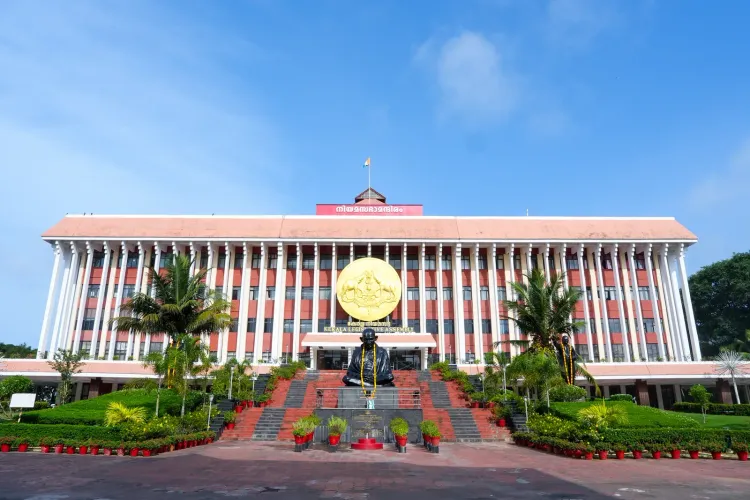
The Kerala Legislative Assembly on Wednesday, 1 July 2025, passed a special resolution by 111 votes to two, urging the Centre to withdraw the proposed amendments to the Foreign Contribution (Regulation) Act (FCRA) and the Foreign Contribution (Regulation) Amendment Rules, 2026. The Bharatiya Janata Party (BJP) stood as the sole dissenting bloc, with its two members voting against the resolution after the House rejected their proposed amendments.
What the Resolution Demands
Moving the resolution, Chief Minister V.D. Satheesan alleged that the proposed FCRA amendments were designed to bring voluntary organisations and non-governmental organisations (NGOs) under tighter central control, effectively curtailing the autonomy of civil society institutions. He argued the changes would hurt bodies engaged in welfare, healthcare, education, disability rehabilitation, and disaster relief — sectors where such organisations supplement state government services, particularly in Kerala.
The resolution specifically objects to provisions that restrict organisations to 105 specified activity sectors, impose fresh registration requirements for operations outside the state of registration, and delay project implementation by linking the release of subsequent foreign funding to utilisation verification.
Key Objections Raised
The Assembly flagged multiple concerns embedded in the proposed amendments. Penalties of up to 30 per cent of foreign contributions — even for technical violations — were criticised as disproportionate. Provisions mandating disclosure of the personal social media accounts and publications of office-bearers were described as an intrusion into privacy and a threat to the constitutional guarantee of freedom of expression.
The expanded definition of 'key functionary' — making trustees, partners, and directors personally liable for violations — was also criticised as a measure likely to deter eminent professionals from participating in the voluntary sector. The Assembly further raised alarm over provisions empowering a designated authority to take over, and even dispose of, assets created using foreign contributions if an organisation's FCRA registration is cancelled, suspended, or not renewed.
Additionally, the resolution warned that an undefined reference to 'proselytisation' in the amendments could be misused against organisations working among tribal and other vulnerable communities.
BJP's Dissent and Federal Argument
BJP member V. Muraleedharan moved counter-amendments to the resolution, contending that state legislatures have no authority to seek changes to laws enacted by Parliament and that such a resolution was itself contrary to the principles of federalism. The House rejected his amendments before adopting the original motion by an overwhelming majority.
Broader Constitutional Concern
The resolution, as adopted, maintains that the proposed law and rules violate constitutional freedoms and undermine the federal structure of governance. It calls upon the Union Government to withdraw the amendments in their entirety. This comes amid a wider national debate over the Centre's regulatory reach into civil society, with several opposition-governed states raising similar concerns about the FCRA framework. The Centre is yet to respond formally to the Kerala Assembly's resolution.
Point of View
Leaving BJP isolated in a House it has little footprint in. What mainstream coverage underplays is the specificity of Kerala's objections: the 105-sector restriction and the asset-disposal clause are not procedural quibbles — they strike at the operational core of a civil society ecosystem that the state has relied on for decades to deliver welfare at scale. The Centre's silence will be telling. If it dismisses the resolution as constitutionally non-binding — as BJP's own argument suggests — it risks deepening the perception that federal consultation on legislation is performative. The undefined 'proselytisation' clause, flagged but barely scrutinised nationally, deserves far more attention than it has received.
NationPress
30 Sept 2026
Frequently Asked Questions
What is the Kerala Assembly's FCRA resolution about?
The Kerala Legislative Assembly passed a special resolution on 1 July 2025 urging the Centre to withdraw the proposed amendments to the Foreign Contribution (Regulation) Act and the FCRA Amendment Rules, 2026. The resolution argues the changes would curb civil society autonomy, impose disproportionate penalties, and violate constitutional freedoms.
What was the voting margin on the resolution?
The resolution was adopted by 111 votes to two. The only two votes against came from BJP members, making the party the sole dissenter in the House.
Why does Kerala oppose the FCRA amendments?
Kerala argues the amendments restrict NGOs to 105 specified activity sectors, impose fresh registration burdens, link funding releases to utilisation checks, and prescribe penalties of up to 30% of foreign contributions even for technical violations. The state says these changes will harm organisations delivering healthcare, education, and disaster relief.
What did BJP argue against the resolution?
BJP member V. Muraleedharan contended that state legislatures have no constitutional authority to seek changes to laws enacted by Parliament, and that the resolution itself was contrary to federalism principles. The House rejected his counter-amendments before passing the original motion.
What happens next after the resolution is passed?
The resolution is a formal communication to the Union Government urging full withdrawal of the FCRA amendments. It is not legally binding, but it carries political weight as a near-unanimous mandate from a state legislature. The Centre has not yet responded formally.