Madhya Pradesh Cabinet Unveils New Farmer Aid and Stamp Duty Exemptions for 46 Lakh Families
Synopsis
The Madhya Pradesh cabinet has approved vital measures to aid farmers, including a bonus on wheat prices and a stamp duty waiver for 46 lakh families. These initiatives aim to enhance agricultural sustainability and empower the youth in governance.
Key Takeaways
Wheat Procurement Bonus: Rs 40 per quintal over the MSP.
Stamp Duty Waiver: For 46 lakh families under the Swamitva Yojana.
Farmer Welfare Year: 2026 declared to promote sustainable agriculture.
Internship Program: CM YIGGP to include 4,860 youth for governance roles.
Financial Approval: Rs 33,240 crore allocated for various welfare schemes.
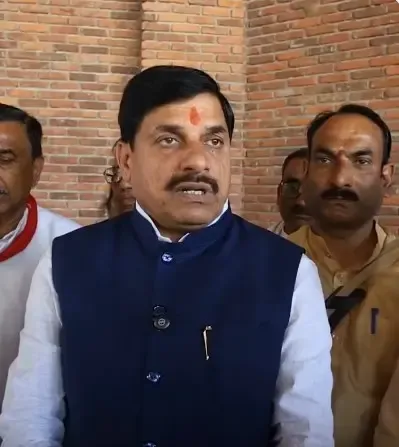
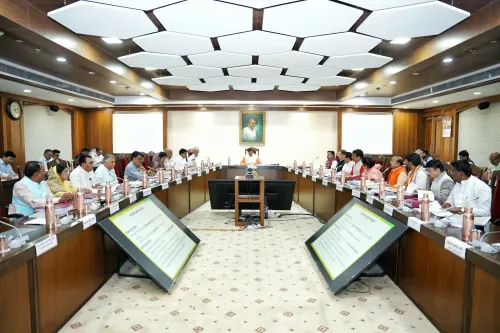
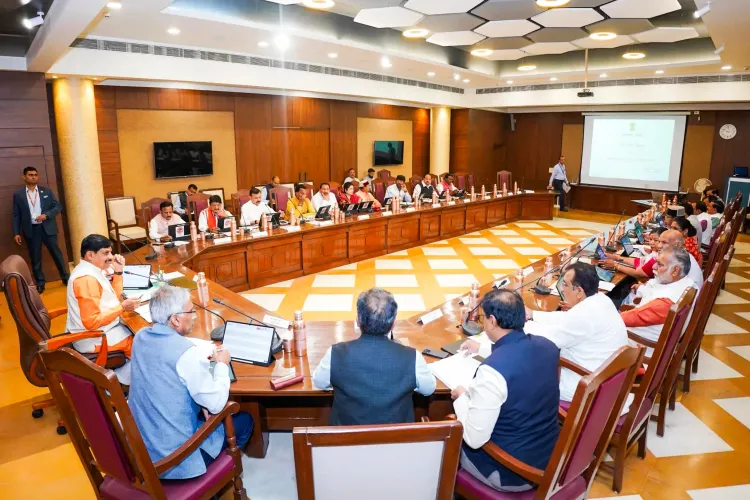
Bhopal, March 10 (NationPress) The Madhya Pradesh cabinet, led by Chief Minister Mohan Yadav, has on Tuesday approved a range of significant measures designed to assist farmers, foster sustainable tourism, empower youth in governmental roles, and maintain the momentum of welfare initiatives.
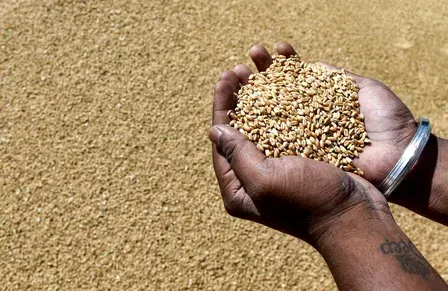
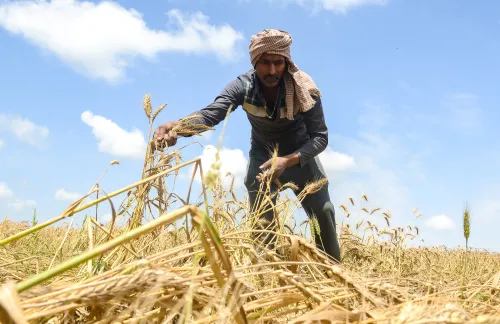
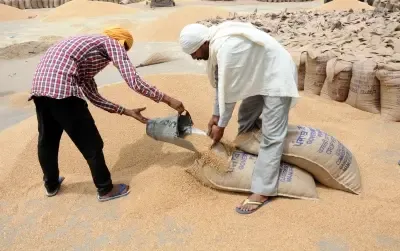
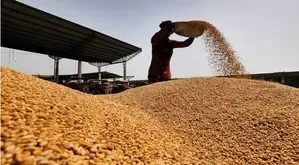
In a noteworthy advancement for farmers, the Cabinet has resolved to grant a bonus of Rs 40 per quintal above the central Minimum Support Price (MSP) of Rs 2,585 for wheat procurement, thus elevating the effective purchase price to Rs 2,625 per quintal.
This represents the inaugural bonus increment by the state government and marks the beginning of a gradual increase towards the manifesto promise of Rs 700 per quintal.
Moreover, a Rs 100 per quintal bonus was sanctioned for black gram (urad). The state has announced 2026 as the Farmer Welfare Year, featuring year-long initiatives aimed at promoting advanced agricultural technologies locally and ensuring that farmers receive equitable prices for their products, building upon the success of the Bhavantar (price-difference) scheme.
The Cabinet also commended two young achievers from Madhya Pradesh for ranking among the top 10 in the recent IAS examinations. The Chief Minister underscored the ongoing progress of the state's youthful talent.
Under the Swamitva Yojana, a waiver on stamp duty was approved for the free registration of ownership documents for approximately 46 lakh identified families lacking such records, imposing a state fiscal burden of around Rs 3,000 crore.
In a substantial administrative decision, the continuation of various schemes across seven departments has been extended from 2026 to 2031, with a total sanction of Rs 33,240 crore. This includes critical programs such as the Energy Department's RDSS scheme, professional tax exemptions for individuals with disabilities (extended for five years), rural road development, Panchayat asset maintenance, Poshan Shakti nutrition initiatives, post-matric hostels in tribal regions, Scheduled Caste welfare, women's empowerment programs (including Tejasvi and Narad), child welfare bodies, investment promotion in MSMEs, and startup schemes (with Rs 600 crore allocated for startups and Rs 10,000 crore for subsidies).
Staffing approvals were granted for three ESI hospitals located in Mehar, Kemur, and Nimrani, with the construction funded by the Centre.
A new civil judge position has been approved for the Chitangi Assembly constituency. The One District One Product (ODOP) initiative has been extended, supported by a Rs 3 crore Detailed Project Report tailored for district-specific products such as Sidhis' dari-carpets, Datia's jaggery, Ashoknagar's Chanderi handloom, Bhopal's zari-zardozi, Dhar's Bagh print, Sehore's wooden toys, and Ujjain's Batik print.
GI tagging and technological advancements will be promoted through collaborative efforts involving the Industry, MSME, and Cottage Industries departments.
In a groundbreaking governance reform, Chief Minister Mohan Yadav inaugurated the Chief Minister Young Interns for Good Governance Program (CM YIGGP). Each block will select 15 local youth for one-year internships (extendable), totaling around 4,860 interns across the province over three years.
Managed by the Atal Bihari Vajpayee Institute of Good Governance, interns will assist in digitization, scheme impact assessments, real-time feedback, surveys, awareness campaigns, and implementation monitoring through dashboards and portals.
A monthly stipend of Rs 100 is provided, with a comprehensive budget of approximately Rs 170 crore. This initiative aims to enhance youth participation in transparent, effective governance and is anticipated to set a national benchmark.
The Chief Minister extended his greetings for Gudi Padwa and the New Year. He assured citizens of no shortages in petrol and gas supplies. Only commercial cylinders are subject to precautionary limits amidst global uncertainties, whereas domestic supplies remain stable, with continuous monitoring to avert any disruptions for the public.
Point of View
The recent decisions made by the Madhya Pradesh cabinet reflect a proactive approach towards agricultural support and youth empowerment. These measures indicate a commitment to welfare schemes that prioritize the needs of farmers and underprivileged families, setting a precedent for states across the country.
NationPress
29 Sept 2026
Frequently Asked Questions
What is the new bonus for wheat procurement?
The Madhya Pradesh Cabinet has approved a bonus of Rs 40 per quintal over the central Minimum Support Price, raising the effective purchase price to Rs 2,625 per quintal.
How many families will benefit from the stamp duty waiver?
Approximately 46 lakh families lacking ownership documents will benefit from the stamp duty waiver under the Swamitva Yojana.
What is the Farmer Welfare Year?
The state has declared 2026 as the Farmer Welfare Year, featuring various initiatives to promote advanced agricultural technologies and ensure fair prices for farmers.
What is the CM YIGGP program?
The Chief Minister Young Interns for Good Governance Program (CM YIGGP) aims to engage local youth in governance through internships that last one year, extendable for another year.
What are the financial implications of these measures?
The total financial approval for various schemes across seven departments has been extended to Rs 33,240 crore, including significant allocations for startups and subsidies.