SERVICE for America Act: Green card path for Dreamers in public-service jobs
Synopsis
A new US bill co-introduced by Indian-American Congressman Ami Bera would give 'Documented Dreamers' — including thousands of children of Indian H-1B workers stuck in decade-long green card queues — a pathway to permanent residency if they take up public-service jobs in health care, education, or the military. The W-visa mechanism is a novel civic-contribution angle on an old and unresolved immigration crisis.
Key Takeaways
Ami Bera and Deborah Ross introduced the SERVICE for America Act on 9 September , creating a green card pathway for eligible Dreamers and children of long-term visa holders.
A new W nonimmigrant visa would be valid for 3 years , extendable once, for those in qualifying public-service roles including health care, education, and the military.
Applicants must have lived legally in the US for at least 5 years as dependents of employment-based visa holders or be DACA recipients.
Permanent residency can be sought after at least 2 years in a qualifying job and an aggregate 7 years of physical US presence.
The bill directly targets 'Documented Dreamers' — children who risk losing dependent status at age 21 while families wait in lengthy green card queues.
Advocacy group Improve The Dream , led by Dip Patel , has welcomed the legislation.
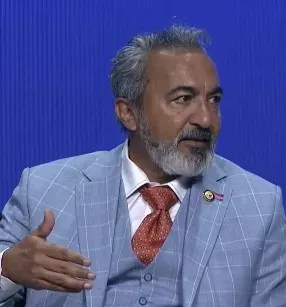
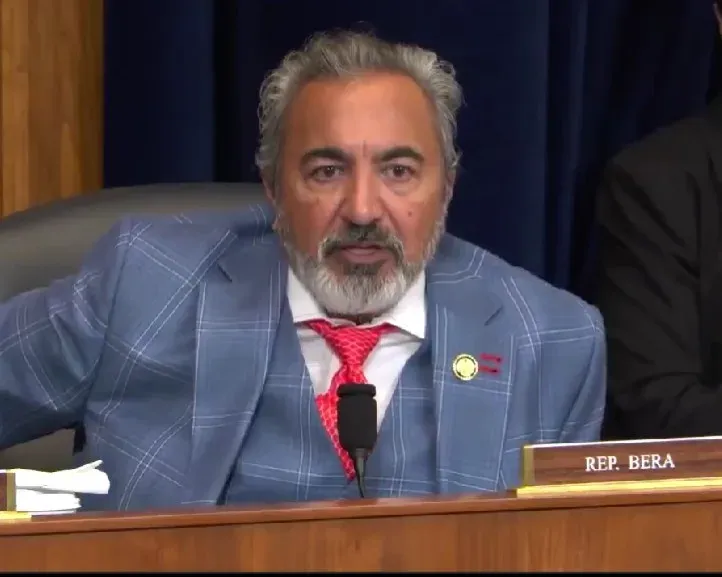
Indian-American Congressman Ami Bera and Democratic Representative Deborah Ross have introduced the SERVICE for America Act, a bill that would create a pathway to permanent residency in the United States for eligible 'Dreamers' and children of long-term visa holders who commit to public-service careers. The legislation, introduced on 9 September, is particularly consequential for thousands of young immigrants from Indian families caught in the country's notoriously long employment-based green card backlog.
What the Bill Proposes
The legislation would establish a new W nonimmigrant visa for qualifying public-service employees, valid for three years and extendable once for an additional three years, provided the holder remains in an eligible role. Covered sectors include health care, education, public safety, the military, social work, early-childhood education, government, and nonprofit organisations.
Spouses and minor children of W-visa recipients would also qualify for the same status and receive work authorisation in the United States. The bill would additionally make eligible recipients able to serve through AmeriCorps.
Who Qualifies and How
To be eligible for the W visa, an applicant would generally need to have lived legally in the United States for at least five years as the dependent child of an employment-based nonimmigrant visa holder, or have received protection under the Deferred Action for Childhood Arrivals (DACA) programme. They must also hold a qualifying public-service job or a contingent offer for one.
After working in a qualifying role for at least two years, eligible immigrants could apply for lawful permanent residency. Applicants would generally need to have been physically present in the United States for an aggregate of at least seven years.
The 'Documented Dreamer' Problem
The bill directly addresses the plight of so-called 'Documented Dreamers' — children who entered the United States legally as dependents of employment-based visa holders but face losing their dependent status when they turn 21, even as their families remain trapped in multi-decade green card queues. Many of those affected are children of Indian nationals on H-1B and other employment-based visas, for whom the backlog can stretch well beyond two decades under current law.
This is not the first legislative attempt to address this gap, but the public-service requirement represents a new angle — tying permanency to civic contribution rather than purely to family status or employment category.
What Lawmakers and Advocates Said
Ami Bera said: 'Dreamers and Documented Dreamers are already giving back to our country as teachers, health care workers, service members, and public servants. They are stepping up, serving their communities, and doing their part to make our country stronger. The SERVICE for America Act creates an earned pathway to permanent residency and gives these young people the certainty and peace of mind they deserve as they continue to build their futures in America.'
Deborah Ross added: 'Those who dedicate themselves to serving our communities and the country they call home deserve the opportunity to build their futures here. Our country needs more social workers, teachers, service members, and caretakers. Dreamers and Documented Dreamers are stepping up to fill these roles. It's past time to fix our broken immigration system and give these young people a pathway to lawful permanent residency.'
Dip Patel, founder of advocacy group Improve The Dream, welcomed the proposal. 'We appreciate the introduction of the Service for America Act, which will allow many long-term immigrants who grew up here and are fully contributing to our country to receive a sense of permanency,' Patel said. 'Many children of long-term visa holders who grew up here lawfully, but age out of their pending green card applications due to backlogs, would be afforded a pathway to stay and contribute in the only country they've called home,' he added.
What Comes Next
The bill must clear committee review and secure broader Congressional support before it can advance to a floor vote — a process that has historically stalled similar immigration reform measures. Advocates are hoping the public-service framing will attract bipartisan backing, though the current legislative environment on immigration remains deeply contested. For Indian families in the green card queue, the bill's passage would represent a significant, if partial, relief.
Point of View
It reframes the Documented Dreamer debate from a humanitarian ask to a civic bargain — one harder to oppose. But the bill's real test is whether it can survive a Congress that has repeatedly stalled immigration reform, including multiple prior attempts to protect aged-out dependents. For Indian families in the employment-based backlog, this is one of several partial fixes that have been introduced over the years without becoming law. The public-service conditionality may attract some Republican support, but the broader immigration climate makes passage far from assured.
NationPress
24 Oct 2026
Frequently Asked Questions
What is the SERVICE for America Act?
The SERVICE for America Act is a US immigration bill introduced by Congressman Ami Bera and Representative Deborah Ross that would create a pathway to permanent residency for eligible Dreamers and children of long-term visa holders who work in qualifying public-service jobs. It establishes a new W nonimmigrant visa valid for three years, extendable once.
Who are 'Documented Dreamers' and why does this bill matter to them?
'Documented Dreamers' are young people who entered the United States legally as dependents of employment-based visa holders but risk losing that status when they turn 21, even as their families remain in lengthy green card queues. The bill is especially significant for children of Indian H-1B workers, who face some of the longest waits in the employment-based backlog.
What public-service jobs qualify under the bill?
Qualifying roles include positions in health care, education, public safety, the military, social work, early-childhood education, government, and nonprofit organisations. Applicants must hold such a job or have a contingent offer to be eligible for the new W visa.
How can a W-visa holder apply for a green card under this legislation?
After working in a qualifying public-service job for at least two years and having been physically present in the United States for an aggregate of at least seven years, a W-visa holder would become eligible to apply for lawful permanent residency.
What are the chances of the bill passing Congress?
The bill must clear committee review and secure broader Congressional support before it can reach a floor vote. Similar immigration reform measures have repeatedly stalled in recent years, and the current legislative environment on immigration remains deeply divided, making passage uncertain.