India's Iran war energy crisis response rated 8.5/10 by ex-ONGC Director

Synopsis
While global crude touched $120 per barrel and some countries raised fuel prices by 40 per cent, India kept its retail hike to just 2–3 per cent and reported zero supply shortages — a crisis management performance that a former ONGC exploration chief has rated between 8.5 and 9 out of 10.
Key Takeaways
Former ONGC Director (Exploration) Sushma Rawat rated India's handling of the Gulf energy crisis 8.5 to 9 out of 10 .
Global crude oil prices surged to nearly $120 per barrel , with some countries raising fuel prices by up to 40 per cent .
India raised retail fuel prices by only 2–3 per cent initially, protecting consumers from the global price shock.
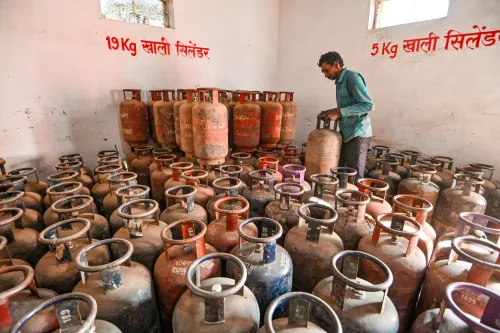
India has 30 million LPG users and reported no supply shortage during the crisis period.
India's installed renewable energy capacity has reached 51 per cent of total installed capacity.
India achieved 20 per cent ethanol blending in petrol ahead of schedule .
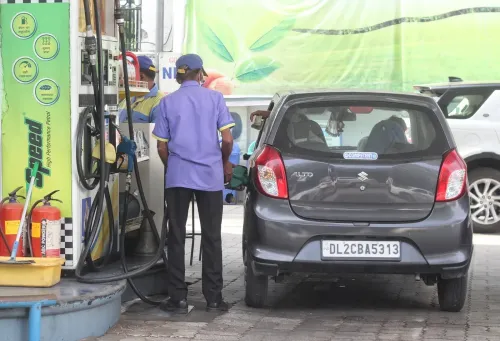
India effectively navigated the energy disruptions triggered by the Gulf crisis and the US-Israel strike on Iran, maintaining uninterrupted fuel supplies and shielding consumers from the steep price hikes seen globally, according to Sushma Rawat, former Director (Exploration) at Oil and Natural Gas Corporation (ONGC). Rawat made the assessment on Monday, 29 June, praising the government's crisis management as the country's energy sector faced one of its sharpest geopolitical tests in recent years.
How India Managed the Crisis
Rawat rated the government's response between 8.5 and 9 out of 10, citing the absence of any supply shortfall despite severe turbulence in global energy markets. 'The Gulf crisis caused by the Iran war was handled very well by the Government of India,' she said. 'Consider a country like India with such a large population and nearly 30 million LPG users, along with a vast oil and gas sector. Despite the crisis, there was no supply shortage anywhere.'
Global Price Surge vs India's Restrained Hike
Global crude oil prices surged sharply during the crisis period, with benchmarks touching nearly $120 per barrel and hovering close to $116 for several days. Several countries raised retail fuel prices by 24 to 30 per cent, with some markets recording hikes as steep as 40 per cent. India, by contrast, raised fuel prices by only around 2–3 per cent in the initial phase — a deliberate policy choice, Rawat indicated, to protect ordinary consumers from additional financial stress.
Renewable Energy and Ethanol Milestones
Rawat also highlighted India's broader strides in energy self-reliance, noting that the country's installed renewable energy capacity has reached 51 per cent of total installed capacity. She pointed to the ethanol blending programme as another marker of progress, stating that India achieved its target of 20 per cent ethanol blending in petrol ahead of schedule. 'We are becoming stronger in the renewable energy sector with improvements every day,' she said.
Why the Assessment Matters
The Gulf crisis stress-tested India's energy supply chains at a moment when the country imports a significant share of its crude requirements. That no state recorded a supply disruption — despite global benchmarks breaching $120 per barrel — points to a combination of strategic reserves, diversified sourcing, and policy restraint on retail pricing. This comes amid a broader push by New Delhi to reduce dependence on any single supplier region, a strategy that appears to have provided meaningful insulation during the West Asia turmoil. Notably, India's early attainment of the 20 per cent ethanol blending target also reduced the volume of imported crude required, cushioning the demand side of the equation.
What Comes Next
With geopolitical tensions in West Asia remaining fluid, energy security analysts expect India to accelerate both its renewable capacity additions and its strategic petroleum reserve expansion. The government's ability to hold retail fuel prices near flat during a period of extreme global volatility will likely inform its pricing strategy in any future supply shock.
Point of View
The downstream balance-sheet stress warrants scrutiny. Rawat's 8.5-out-of-10 rating reflects supply-chain success, but supply continuity and consumer price protection are not the same as energy security. The more durable test will be whether India's diversified sourcing strategy and ethanol milestones can hold under a longer or more severe disruption — not just a short-term price spike.
NationPress
28 Sept 2026
Frequently Asked Questions
How did India manage the energy crisis caused by the Iran war?
India maintained uninterrupted fuel supplies for all consumers, including its approximately 30 million LPG users, despite severe disruptions in global energy markets. The government also limited retail fuel price increases to around 2–3 per cent, well below the 24–40 per cent hikes seen in several other countries.
What did former ONGC Director Sushma Rawat say about India's response?
Sushma Rawat, former Director (Exploration) at ONGC, rated the government's crisis management between 8.5 and 9 out of 10. She said there was no supply shortage anywhere in the country despite the Gulf crisis triggered by the US-Israel strike on Iran.
How high did global crude oil prices rise during the Gulf crisis?
Global crude oil benchmarks touched nearly $120 per barrel and remained close to $116 for several days during the crisis. Many countries responded by raising fuel prices by 24 to 30 per cent, with some markets seeing hikes of up to 40 per cent.
What progress has India made in renewable energy and ethanol blending?
India's installed renewable energy capacity has reached 51 per cent of total installed capacity, according to Rawat. The country also achieved its 20 per cent ethanol blending in petrol target ahead of the scheduled deadline.
Why is India's energy crisis response considered significant?
India is one of the world's largest crude oil importers, making it highly exposed to West Asia supply shocks. Maintaining zero supply disruptions and near-flat retail prices during a period when global crude breached $120 per barrel represents a significant logistical and policy achievement, according to energy sector experts.