Asian markets fall as US-Iran military clash lifts oil 4%

Synopsis
A US military strike on an Iranian drone control station near the Strait of Hormuz sent Asian equities tumbling — South Korea's KOSPI alone fell nearly 5% — while Brent crude surged back toward $100 a barrel. With Washington and Tehran still negotiating over the world's most critical oil chokepoint, markets are one escalation away from a far sharper repricing.
Key Takeaways
Asian markets fell broadly on 28 May following fresh US military action against Iran near the Strait of Hormuz .
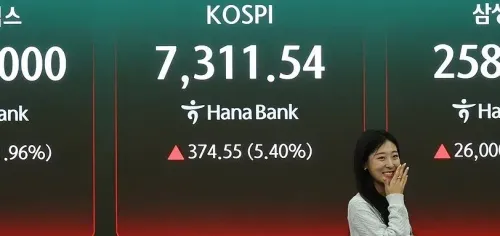
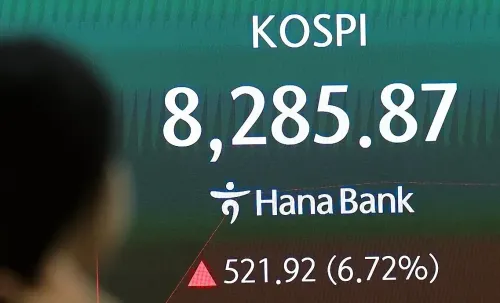
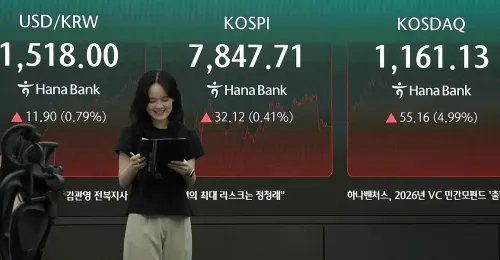
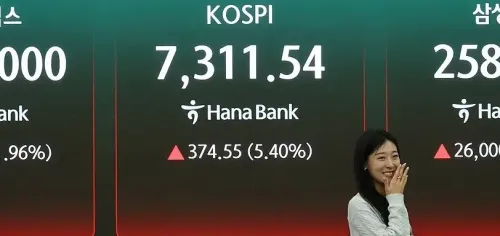
South Korea's KOSPI led losses, dropping nearly 5 per cent to 7,841.01 ; Hang Seng fell 2.37 per cent to 24,727 .
US Central Command reportedly shot down four Iranian attack drones and struck a ground control station in Bandar Abbas .
Brent crude rebounded 4.08 per cent to near $100 per barrel ; WTI rose over 4 per cent to around $92.52 .
BSE and NSE were closed on 28 May for Eid al-Adha .
US-Iran negotiations over reopening the Strait of Hormuz remain ongoing and unresolved.
Asian equity markets retreated sharply on Thursday, 28 May, as renewed geopolitical tensions following fresh US military action against Iran rattled investor sentiment across the region. Adding to the unease, crude oil prices rebounded nearly 4 per cent after steep losses in the previous session, with traders pricing in fresh supply-disruption risk.
Market Declines Across Asia
Japan's Nikkei 225 fell over 1 per cent to 63,905, while South Korea's KOSPI suffered a steeper drop of nearly 5 per cent, closing at 7,841.01. Hong Kong's Hang Seng index shed 2.37 per cent, or roughly 600 points, to settle at 24,727. China's Shanghai Composite declined a more modest 0.90 per cent, or 36.95 points, to 4,056.78.
What Triggered the Sell-Off
The selling pressure intensified after the US military said its forces conducted what it described as defensive operations against Iranian targets following the interception of drones near the Strait of Hormuz. According to reports, US Central Command forces shot down four Iranian attack drones and struck a ground control station in Bandar Abbas that was allegedly being readied to launch another drone. The Strait of Hormuz remains a critical artery for global oil supplies, and any disruption there carries outsized consequences for energy markets worldwide.
Oil Rebounds, Gold and Silver Slip
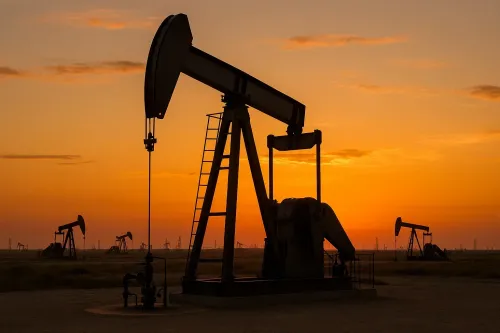
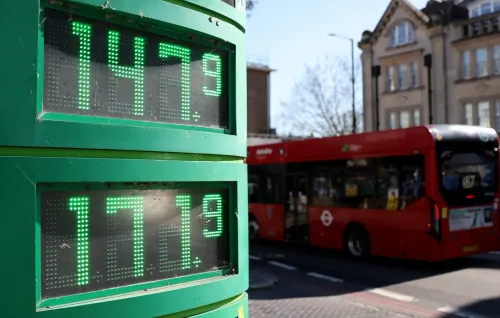
International benchmark Brent crude surged approximately 4.08 per cent to trade near $100 per barrel, while US benchmark West Texas Intermediate (WTI) crude climbed more than 4 per cent to around $92.52 per barrel. The rebound follows sharp losses on Wednesday and reflects market anxiety over potential supply choke points in the Gulf region.
Meanwhile, gold and silver traded lower in international markets, pressured by a stronger US dollar. Analysts noted that heightened geopolitical tensions also stoked concerns that inflation could remain elevated for longer, complicating the outlook for rate cuts.
US Markets Hold Steady; Indian Bourses Closed
Overnight on Wall Street, major indices closed broadly flat. The S&P 500 edged up 0.02 per cent to 7,520.36, while the Nasdaq gained 0.07 per cent to close at 26,674.73 — suggesting US investors are, for now, treating the military exchange as a contained event rather than a full-scale escalation.
Domestic Indian markets were unavailable for comparison, as trading on the BSE and the National Stock Exchange (NSE) was suspended on account of Eid al-Adha.
Broader Context and What to Watch
The developments come amid continuing uncertainty surrounding negotiations between Washington and Tehran over reopening the Strait of Hormuz. This is not the first time the waterway has become a flashpoint — similar drone incidents in 2019 and 2023 triggered comparable oil spikes and equity sell-offs across Asian markets. Investors will be watching whether diplomatic back-channels can contain the situation before it escalates further, and whether Brent crude sustains above the psychologically significant $100 mark.
Point of View
Even as investors had largely priced in a de-escalation scenario. The near-5 per cent crash in South Korea's KOSPI is a striking outlier and warrants scrutiny — it suggests either a broader domestic trigger compounding the geopolitical shock, or thin liquidity amplifying moves. The more consequential story, however, is Brent flirting with $100: if oil holds above that level, central banks in import-dependent Asian economies face a stagflationary bind that equity markets have not yet fully discounted. Washington and Tehran are still talking, but markets are telling us the risk premium is back.
NationPress
11 Oct 2026
Frequently Asked Questions
Why did Asian markets fall on 28 May 2025?
Asian markets fell on 28 May after the US military carried out what it described as defensive operations against Iranian targets near the Strait of Hormuz, shooting down four attack drones and striking a ground control station in Bandar Abbas. The action heightened fears of supply disruptions through a critical global oil route, dampening investor sentiment across the region.
How much did oil prices rise after the US-Iran clash?
Brent crude gained approximately 4.08 per cent to trade near $100 per barrel, while WTI crude rose more than 4 per cent to around $92.52 per barrel. The rebound followed sharp losses in the previous session and reflected renewed concerns about supply disruptions at the Strait of Hormuz.
Which Asian markets were worst affected?
South Korea's KOSPI was the hardest hit, falling nearly 5 per cent to 7,841.01. Hong Kong's Hang Seng dropped 2.37 per cent, or about 600 points, to 24,727, while Japan's Nikkei 225 declined over 1 per cent to 63,905.
Were Indian stock markets affected?
Indian markets were not trading on 28 May, as the BSE and NSE were closed for Eid al-Adha. The impact on Indian equities will be assessed when trading resumes.
What is the Strait of Hormuz and why does it matter?
The Strait of Hormuz is a narrow waterway between Iran and Oman through which a significant share of the world's seaborne oil supply passes. Any disruption to navigation there can trigger sharp moves in global crude prices, making it one of the most strategically sensitive chokepoints in the world.