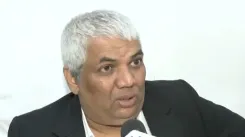
Prakash Jha Explores the Dynamics of Society, Oppression, and Revolution
Synopsis
In a revealing conversation, acclaimed filmmaker Prakash Jha delves into the inevitable connection between oppression and revolution, emphasizing the natural progression of societal change. Discover his insights on the filmmaker's role in addressing sensitive issues through cinema.
Key Takeaways
Revolution is a natural reaction to societal oppression.
Filmmakers have a responsibility to convey messages sensitively.
There is space for diverse films in the Indian cinema landscape.
OTT platforms are becoming a viable alternative to traditional releases.
Time is a teacher that reveals societal truths.
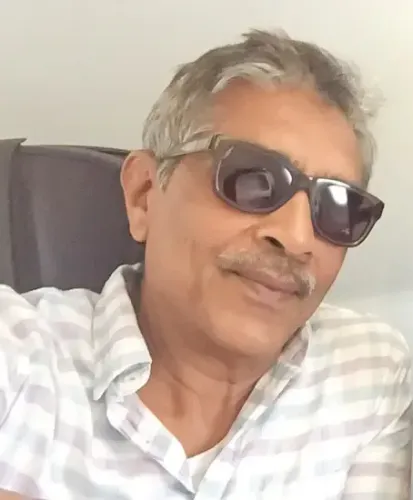
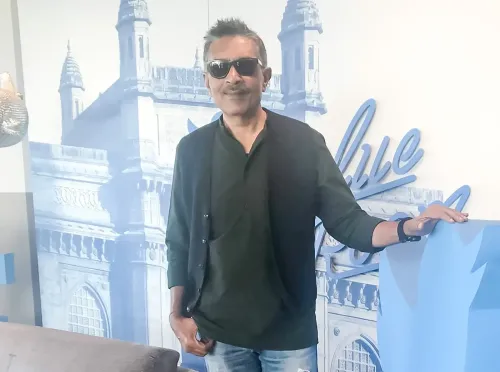
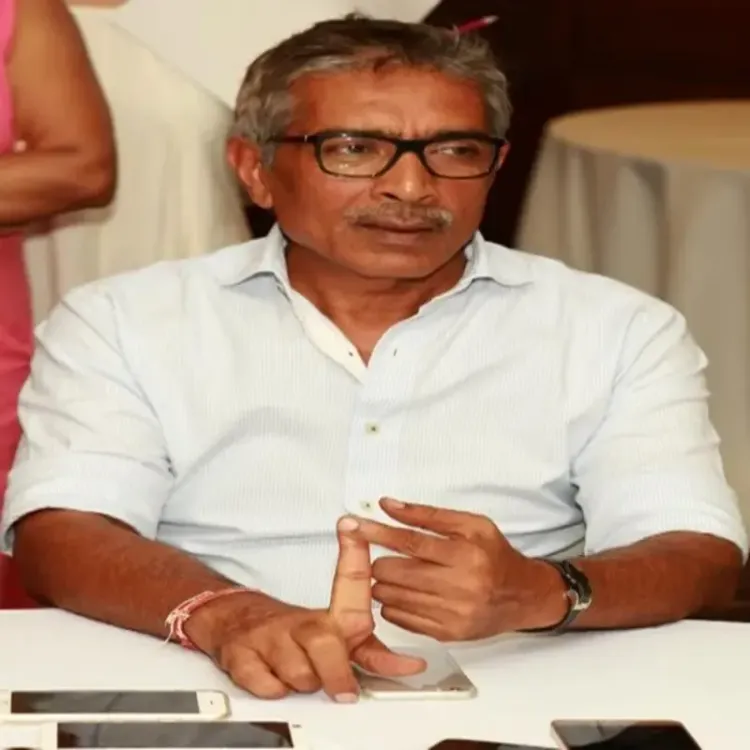
Mumbai, March 14 (NationPress) Acclaimed filmmaker Prakash Jha, renowned for his impactful and socially conscious films, has articulated his insights on the intricate bond between society and revolution.
During an interview with IANS at his office in Andheri West, Mumbai, Jha remarked that when oppression reaches a critical point, revolution becomes unavoidable, crashing into established systems much like a trainwreck.
He explained to IANS, "Revolution is a natural occurrence. Just as a volcano erupts, oppression can build up to a point where it must explode. It’s a natural process. We don’t wake up suddenly; revolutions simmer quietly until the oppression is unbearable, at which point they erupt like a volcano. Time serves as the greatest teacher, guiding us through its lessons."
When discussing his responsibility as a filmmaker to both the medium of cinema and society, he stated, "We must be aware of the sensitivity inherent in every dialogue, every image, and every narrative. The goal is to entertain, to engage, and to evoke certain emotions."
"If there’s a message to convey, do it with sensitivity. There’s no need to alienate or destabilize. The aim is to communicate constructively while keeping the audience engaged and intrigued," he asserted.
Previously, Jha had addressed the challenge faced by smaller films due to competition with blockbuster releases for screen space. As the owner of a multiplex in Jamshedpur, he possesses firsthand knowledge of the realities within the Indian theater ecosystem. He believes there is sufficient space for all films, as each one caters to its own audience.
The choice to bypass traditional theaters and release content directly on OTT platforms is often influenced by the financial aspects tied to theatrical distribution.
Frequently Asked Questions
What does Prakash Jha say about revolution?
Prakash Jha believes that revolution is a natural response to oppression, comparing it to a volcano that erupts when pressure builds up.
How does Jha view his responsibility as a filmmaker?
He sees it as crucial to convey messages with sensitivity while engaging and entertaining the audience.
What challenges do smaller films face in the industry?
Jha highlights that smaller films struggle for screen space against larger blockbusters, despite there being room for diverse content.
Why do some films skip theatrical releases?
The decision often stems from the financial implications associated with traditional theatrical distribution.
What does Jha say about the theater ecosystem in India?
As a multiplex owner, Jha believes there is enough market space for every type of film.