India's first H5N1 bird flu vaccine launched; Modi backs indigenous livestock push
Synopsis
India has launched its first homegrown H5N1 bird flu vaccine, developed by ICAR-NIHSAD in Bhopal — a country that has seen over 500 avian influenza outbreaks since 2006 and faces a potential 1.5% GDP hit from a major outbreak. With PM Modi framing indigenous vaccines as central to farmer welfare and self-reliance, this launch signals a strategic shift in how India intends to defend its poultry economy.
Key Takeaways
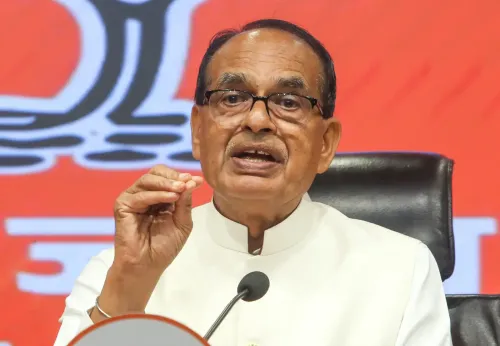
India's first indigenous H5N1 bird flu vaccine was developed by ICAR-NIHSAD , based in Bhopal , and dedicated to the nation by Agriculture Minister Shivraj Singh Chouhan .
PM Narendra Modi highlighted 12 years of indigenous veterinary vaccine development as key to protecting farmers' livelihoods.
India has recorded over 500 bird flu outbreaks involving H5N1 and H5N8 subtypes since the first case in 2006 .
A major outbreak could reduce India's GDP growth by 1.5% and put more than 20% of the national poultry population at risk.
The 2006 outbreak caused estimated losses of ₹2,200 crore to ₹3,000 crore ; a Manipur outbreak caused losses equal to 0.5% of the state's GDP.
The WHO has recorded 1,003 human H5N1 cases and 479 deaths across 25 countries since 2003, underscoring the public health stakes.
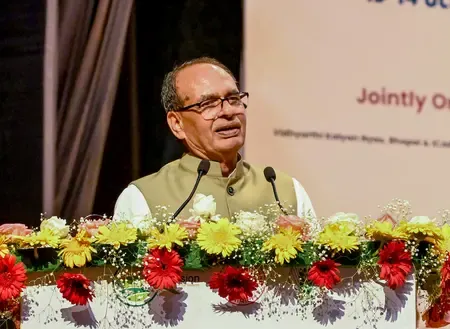
Prime Minister Narendra Modi on Friday, 20 November 2026, highlighted how India's development of indigenous veterinary vaccines over the past 12 years has become a cornerstone of protecting farmers' livestock and poultry from infectious diseases. The remarks came as Union Agriculture Minister Shivraj Singh Chouhan was set to dedicate to the nation India's first indigenous vaccine against the H5N1 strain of highly pathogenic avian influenza — commonly known as bird flu — marking a landmark moment for the country's poultry and agricultural sectors.
India's First Indigenous H5N1 Vaccine
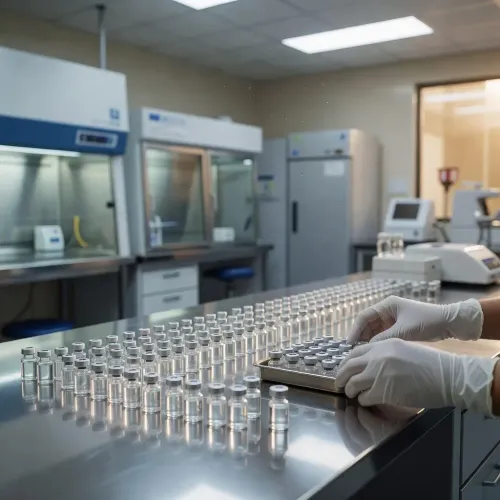
The vaccine was developed by Bhopal-based ICAR-National Institute of High Security Animal Diseases (ICAR-NIHSAD) and was set to be unveiled at the institute itself. It is designed to protect the country's poultry population from the highly pathogenic H5N1 strain, which has triggered mass culling drives, trade bans, and severe financial losses across multiple outbreaks since 2006. The launch marks a significant step toward domestic disease control, reducing India's dependence on imported veterinary solutions.
Scale of the Bird Flu Threat to India
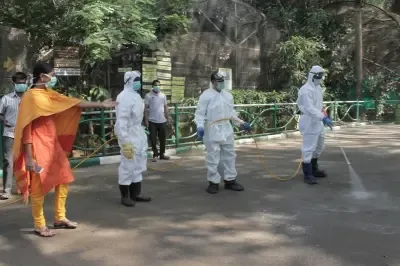
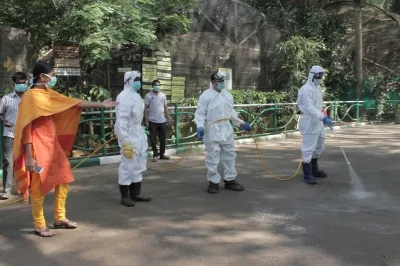
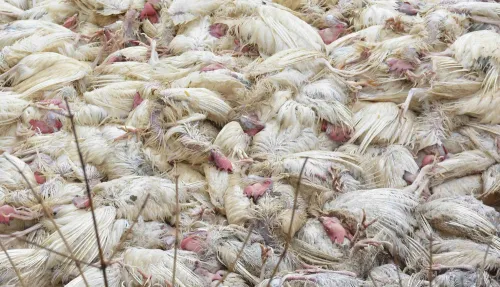
Since the first reported bird flu case in India in 2006, the country has recorded over 500 outbreaks involving the H5N1 and H5N8 subtypes. Official estimates suggest that a major outbreak could shave 1.5% off India's GDP growth and put more than 20% of the nation's poultry population at risk. The scale of past damage underscores the urgency: the 2006 outbreak alone resulted in estimated direct and indirect losses of ₹2,200 crore to ₹3,000 crore, while a separate outbreak in Manipur caused losses equivalent to 0.5% of the state's GDP.
Beyond agricultural damage, H5N1 carries significant public health implications. According to the World Health Organization (WHO), 1,003 human cases of H5N1 avian influenza — resulting in 479 deaths — have been reported across 25 countries, including India, since 2003. The dual threat to both animal and human health makes the domestically developed vaccine strategically critical.
Modi's Push for Self-Reliance in Veterinary Healthcare
Prime Minister Modi, in remarks referencing an article authored by Agriculture Minister Chouhan, said the development of indigenous vaccines reflects India's expanding capabilities in veterinary healthcare and its commitment to building a 'self-reliant agricultural ecosystem'. He noted that in the last 12 years, several steps have been taken towards the prosperity of farmers and the empowerment of rural India. The indigenous vaccine effort, Modi indicated, not only protects animal health but directly enhances farmers' income and improves the quality of life of farming communities.
Why This Matters for Farmers and the Poultry Sector
India's poultry industry is one of the fastest-growing segments of its agricultural economy. Bird flu outbreaks disrupt international markets, drive up poultry product prices, and necessitate costly mass culling — all of which hit small and marginal farmers hardest. An affordable, domestically produced H5N1 vaccine could substantially reduce outbreak-related losses, stabilise supply chains, and improve long-term earnings for the millions of farmers who depend on poultry as a primary or supplementary income source. Notably, this is part of a broader trend of ICAR-led indigenous vaccine development across livestock diseases over the past decade.
What Comes Next
With the vaccine formally dedicated to the nation, the focus now shifts to production scale-up, distribution infrastructure, and affordability — particularly for small-scale poultry farmers in outbreak-prone states. The government has not yet detailed a rollout timeline or pricing framework. Industry bodies and veterinary health experts are expected to weigh in on deployment logistics in the weeks ahead.
Point of View
The government cannot afford to treat this as a ceremonial milestone. The real test is whether ICAR-NIHSAD's breakthrough reaches poultry farmers in Manipur, West Bengal, and Kerala — the states historically most vulnerable — before the next outbreak cycle begins.
NationPress
20 Nov 2026
Frequently Asked Questions
What is India's first indigenous H5N1 bird flu vaccine?
It is a domestically developed vaccine against the H5N1 strain of highly pathogenic avian influenza, produced by ICAR-NIHSAD in Bhopal. It was dedicated to the nation by Union Agriculture Minister Shivraj Singh Chouhan and is designed to protect India's poultry population from bird flu outbreaks.
Why is the H5N1 bird flu vaccine launch significant for India?
India has recorded over 500 bird flu outbreaks since 2006, and official estimates warn that a major outbreak could reduce GDP growth by 1.5% while putting more than 20% of the national poultry population at risk. An indigenous vaccine reduces dependence on imports and could dramatically cut outbreak-related losses for farmers.
What financial losses has bird flu caused in India?
The 2006 bird flu outbreak resulted in estimated direct and indirect losses of ₹2,200 crore to ₹3,000 crore. A separate outbreak in Manipur caused losses equivalent to 0.5% of the state's GDP. Mass culling and trade bans add further economic strain during each outbreak.
Does H5N1 bird flu pose a risk to humans?
Yes. According to the World Health Organization, 1,003 human cases of H5N1 avian influenza — resulting in 479 deaths — have been reported across 25 countries, including India, since 2003. This public health dimension makes effective animal vaccination a critical line of defence.
What has PM Modi said about indigenous veterinary vaccines?
PM Modi stated that over the past 12 years, the development of indigenous vaccines has played a crucial role in protecting livestock and poultry from infectious diseases, enhancing farmers' income, and building a self-reliant agricultural ecosystem. He referenced an article by Agriculture Minister Shivraj Singh Chouhan detailing these efforts.