Bangladesh minority killings: 119 Hindus among 146 dead in two years, rights group finds
Synopsis
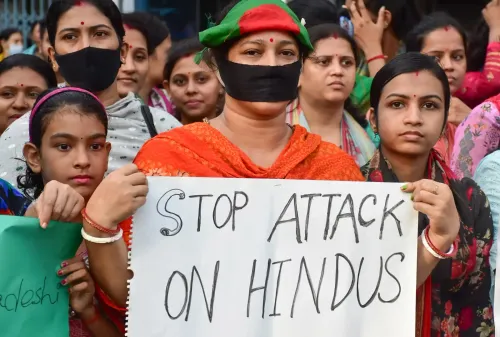
A newly released international rights report has counted 146 minority deaths in Bangladesh over two years — 119 of them Hindu — with documented cases spanning family killings, mob arbitration violence, and deaths in custody. The findings by Australia-based DRPW represent one of the most detailed tallies yet of minority fatalities since August 2024, and are intensifying calls for independent investigations.
Key Takeaways
Democracy, Rights and Persecution Watch (DRPW) documented 146 minority deaths in Bangladesh between 4 August 2024 and 27 October 2026 .
Victims include 119 Hindus , 5 Barua Buddhists , and 22 indigenous community members from groups including the Chakma, Marma, Santal, and Munda.
Retired teacher Ganapati Chakraborty , his wife, daughter, and 12 -year-old son were killed in Rangpur district ; bodies recovered on 22 August .
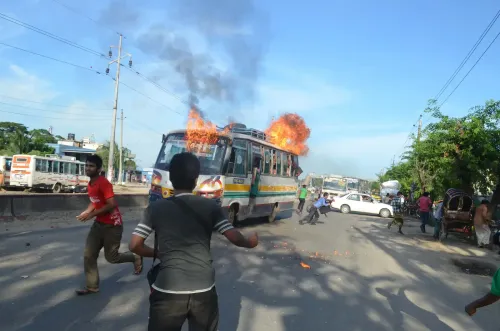
Multiple deaths were linked to extrajudicial mob arbitration over theft allegations, raising concerns about breakdown of legal protections for minorities.
Deaths in custody were also recorded, including musician Proloy Chaki at Rajshahi Medical College Hospital and former minister Ramesh Chandra Sen .
DRPW has called on Bangladeshi authorities to conduct independent probes and strengthen minority protection mechanisms.
An Australia-based international human rights organisation has documented the deaths of 146 members of religious and ethnic minority communities in Bangladesh over the past two years, raising urgent concerns over safety, protection, and access to justice for vulnerable groups in the country.
The findings were published in a report titled 'Bangladesh in Crisis: Minority Lives Lost' by Democracy, Rights and Persecution Watch (DRPW), which compiled deaths reported by news outlets and other organisations between 4 August 2024 and 27 October 2026.
Who the Victims Are
According to the report, the 146 documented deaths include 119 Hindus, 5 Barua Buddhists, and 22 members of indigenous communities — among them the Chakma, Marma, Tripura, Bawm, Santal, and Munda peoples. The indigenous victims are classified separately in the breakdown, though those communities include both Buddhists and Christians.
Documented Cases of Violence
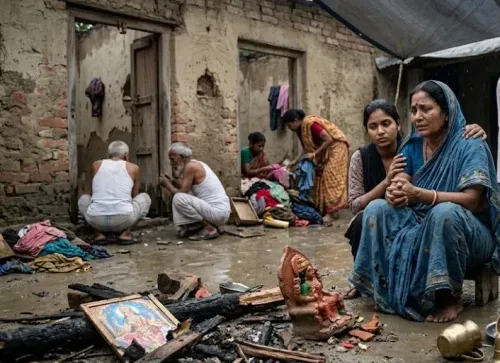
Among the cases detailed in the report was the killing of retired Hindu teacher Ganapati Chakraborty, aged 65, and his entire family in the Machhuapara area of Rangpur district. The incident reportedly occurred on 20 August, with police recovering the bodies of all four family members on the night of 22 August. The deceased were identified as Ganapati Chakraborty, formerly a teacher at Rangpur Zilla School; his wife, Pritilata Chakraborty, 50; their daughter, Agami Chakraborty Prarthi, 23; and their son, Priyam Chakraborty, 12.
The report also recorded the case of Ripon Murmu, a Santal labourer from Ghoraghat in Dinajpur, whose death was linked to a local arbitration meeting in Bogura. According to the cited news report, Murmu was allegedly assaulted and ordered to pay a fine of Bangladeshi Taka 20,000 following accusations of welding machine theft. His body was found later that night.
Another documented case involved Kshitish Mondal, a fish farmer from Tala in Satkhira, who was allegedly tied to a tree, beaten, and attacked with sharp weapons following accusations of fish theft. He reportedly succumbed to his injuries while being transported to hospital.
Mob Justice and Extrajudicial Violence
These incidents, according to the DRPW report, point to a growing pattern in which mob violence is being used as a substitute for established legal procedures when handling local allegations. Critics and rights observers argue this trend reflects a breakdown in the rule of law for minority communities, who reportedly face difficulty accessing formal justice mechanisms.
Deaths in Custody
The report also documented deaths occurring in prisons and detention facilities. It cited the case of musician Proloy Chaki, who died at Rajshahi Medical College Hospital while in prison custody. His family alleged medical negligence, according to the report. The study also noted the death of former Bangladesh minister and senior Awami League leader Ramesh Chandra Sen, who died in hospital after reportedly falling ill while in custody.
What DRPW Is Demanding
The report urged Bangladeshi authorities to conduct independent and impartial investigations into all documented deaths, take action against those found responsible, and ensure meaningful protection for religious and ethnic minority communities across the country. The findings add to a widening body of international scrutiny over minority rights in Bangladesh since August 2024.
Point of View
And international scrutiny of minority safety is mounting. What is striking is not just the scale — 146 deaths over two years — but the documented pattern: mob arbitration replacing courts, custody deaths with families alleging negligence, and entire family units targeted. The report risks being treated as one more data point in an ongoing advocacy cycle unless it triggers formal diplomatic engagement or UN-level attention. India, which shares cultural and demographic ties with Bangladesh's Hindu minority, has a direct interest in whether Dhaka responds with credible investigations — or deflects.
NationPress
16 Nov 2026
Frequently Asked Questions
How many minority members have been killed in Bangladesh in the last two years according to the DRPW report?
The DRPW report documented 146 deaths among religious and ethnic minority communities in Bangladesh between 4 August 2024 and 27 October 2026. Of these, 119 were Hindus, 5 were Barua Buddhists, and 22 were members of indigenous communities.
What is Democracy, Rights and Persecution Watch (DRPW)?
Democracy, Rights and Persecution Watch (DRPW) is an Australia-based international human rights organisation. It published the report 'Bangladesh in Crisis: Minority Lives Lost', compiling deaths documented by news outlets and other organisations over a two-year period.
Who was Ganapati Chakraborty and what happened to his family?
Ganapati Chakraborty, 65, was a retired teacher at Rangpur Zilla School in Bangladesh. He, his wife Pritilata, 50, their daughter Agami, 23, and son Priyam, 12, were all killed in the Machhuapara area of Rangpur district, with their bodies recovered by police on 22 August.
What pattern of violence does the DRPW report highlight beyond direct killings?
The report highlights a growing use of mob arbitration as a substitute for legal processes, with minorities allegedly beaten or killed following accusations of theft settled outside the courts. It also documents deaths in custody, including cases where families alleged medical negligence.
What has DRPW recommended regarding Bangladesh's treatment of minorities?
DRPW has urged Bangladeshi authorities to conduct independent and impartial investigations into all documented deaths, hold perpetrators accountable, and implement stronger protections for religious and ethnic minority communities across the country.