Third US aircraft carrier arrives in Middle East as Iran tensions escalate
Synopsis
Three US aircraft carriers are now stationed in the Arabian Sea — one of the largest naval concentrations in the Middle East in decades — as President Trump reportedly considers further strikes on Iran. VP Vance's 'no forever war' pledge signals a time-limited operation, but with the Strait of Hormuz under Iranian pressure and no diplomatic channel open, the window for de-escalation looks narrow.
Key Takeaways
The USS Theodore Roosevelt has arrived in the Middle East , giving the US three carrier strike groups in the region as of 17 November 2026 .
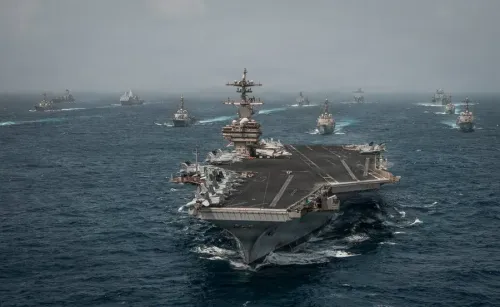
The US Navy's presence in the Arabian Sea now reportedly includes 13 destroyers , two cruisers , and a littoral combat ship .
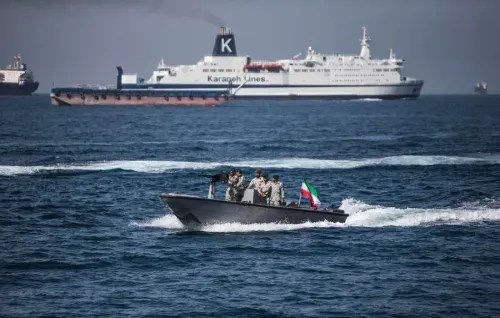
The build-up follows US-Israel joint strikes on Tehran on 28 February , after which Iran retaliated with missiles and drones and tightened control over the Strait of Hormuz .
Vance ruled out even a two-year US military commitment, saying Trump would not allow a 'forever war' .
President Donald Trump is reportedly considering whether to authorise further large-scale strikes on Iran's nuclear programme .
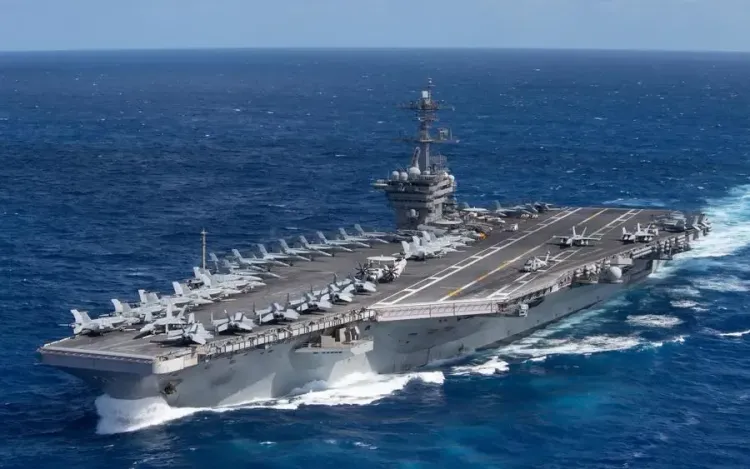
The USS Theodore Roosevelt aircraft carrier has arrived in the Middle East, bringing the total number of US carrier strike groups in the region to three, a US official confirmed on 17 November 2026. The deployment deepens Washington's military footprint in the region as diplomatic efforts with Tehran remain stalled and the possibility of expanded US military action looms large.
Three Carriers Now in Position
The USS Theodore Roosevelt entered the area of responsibility of US Central Command on Sunday, joining the USS George H.W. Bush and the USS George Washington, which have been stationed in the region since April and August, respectively. The US Navy's combined presence in the Arabian Sea now reportedly includes three aircraft carriers, 13 destroyers, two cruisers, and a littoral combat ship, according to US media reports.
How the Conflict Escalated
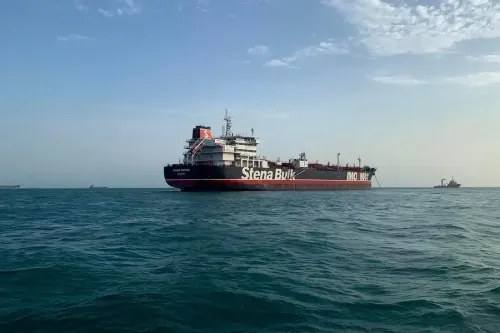
The military build-up follows a sharp escalation that began on 28 February, when Israel and the United States launched joint attacks on Tehran and other Iranian cities. Iran responded with waves of missile and drone strikes targeting Israel and US bases and assets across the region, while simultaneously tightening its control over the Strait of Hormuz — a critical chokepoint for global oil flows. The stand-off has since remained volatile, with no diplomatic breakthrough in sight.
Vance Rules Out a 'Forever War'
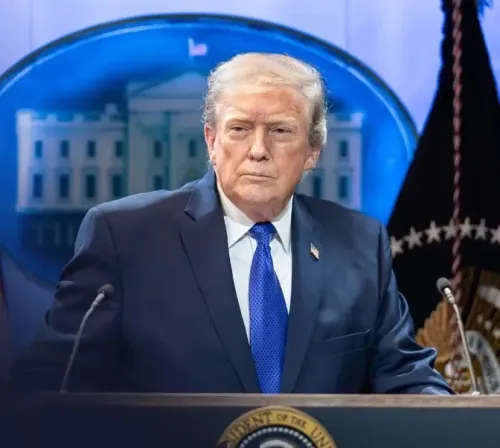
US Vice President J.D. Vance, speaking in an interview with Fox News host Laura Ingraham on Monday, sought to reassure the American public that President Donald Trump would not allow the conflict to drag on indefinitely. 'He is not going to let this become a forever war,' Vance said. 'We told the American people we would do no more forever wars.'
Vance defended Trump's stated objective of dismantling Iran's nuclear programme, calling it a direct threat to the United States. However, he was explicit about the limits of American commitment. 'We are not going to allow this to become a 10- or 15-year commitment, or frankly even a two-year commitment,' he said. He declined to set a specific withdrawal timeline, according to remarks reported by Iran International.
What This Means for the Region and India
The concentration of three US carrier strike groups in the Arabian Sea has direct implications for India, which depends on the region for the bulk of its crude oil imports and maintains significant expatriate communities in the Gulf. Any escalation that disrupts passage through the Strait of Hormuz could spike global oil prices and pressure the Indian rupee. This comes amid already elevated energy market volatility. Notably, the deployment marks one of the largest US naval concentrations in the Middle East in over two decades.
What Happens Next
US President Trump is reportedly weighing whether to authorise further large-scale military strikes against Iran. Meanwhile, Vance expressed confidence that Trump would bring the conflict to a resolution, though no timeline or end-state has been formally defined. The lack of a diplomatic off-ramp and the growing naval presence suggest the situation could deteriorate further before any de-escalation becomes possible.
Point of View
But a stated political ceiling on duration. That gap between capability and commitment is precisely what adversaries exploit. For India, the Strait of Hormuz angle is underreported: a prolonged Iranian blockade or a miscalculated US strike on Iranian oil infrastructure could send crude prices to levels that dwarf any domestic energy policy buffer New Delhi has in place.
NationPress
17 Nov 2026
Frequently Asked Questions
Why has the US deployed three aircraft carriers to the Middle East?
The US has concentrated three carrier strike groups — the USS Theodore Roosevelt, USS George H.W. Bush, and USS George Washington — in the Middle East amid sustained tensions with Iran following joint US-Israel strikes on Tehran in February 2026. The deployment signals potential preparation for further military action as diplomatic channels remain closed.
What did VP J.D. Vance say about the Iran conflict?
Vance said President Trump would not allow the conflict with Iran to become a 'forever war' and explicitly ruled out even a two-year US military commitment. Speaking to Fox News on Monday, he defended strikes on Iran's nuclear programme but declined to set a specific end date or withdrawal timeline.
How did the current US-Iran conflict begin?
On 28 February, the United States and Israel launched joint strikes on Tehran and other Iranian cities. Iran retaliated with waves of missile and drone attacks on Israeli and US targets in the region and tightened its grip on the Strait of Hormuz, triggering the ongoing stand-off.
What is the significance of the Strait of Hormuz in this conflict?
The Strait of Hormuz is a critical global oil transit chokepoint through which a significant share of the world's crude oil passes. Iran's tightened control over the strait since the conflict escalated poses risks to global energy supplies, with potential knock-on effects on oil prices worldwide.
How does the US-Iran escalation affect India?
India depends on the Middle East for a large portion of its crude oil imports and has millions of nationals working in the Gulf. Any disruption to the Strait of Hormuz or a broader regional conflict could spike global oil prices, pressure the Indian rupee, and threaten the safety of Indian expatriates in the region.